
Kremlin Scales Back Victory Day Parade After Dmitry Peskov Links It To Ukrainian Terrorist Activity
Key Takeaways
- Parade features no tanks, signaling a scaled-back display of military power.
- Putin's public display is diminished, with a smaller crowd and fewer dignitaries.
- Security steps include Red Square barriers and stricter measures around Victory Day.
Scaled-Back Victory Day
Russia scaled back its annual Victory Day parade in Red Square on May 9, with the Defense Ministry announcing that the traditional “column of military equipment” would be absent and that for the first time since 2009 no military vehicles or heavy weapons would be on display.
“- Published One word dominates Red Square right now: "Victory"”
The Kremlin’s spokesman Dmitry Peskov linked the decision to Ukrainian “terrorist activity,” while the Kremlin also declared a unilateral “truce” for May 8-9 and warned that any Ukrainian attacks during the celebrations could trigger a massive strike on Kyiv.
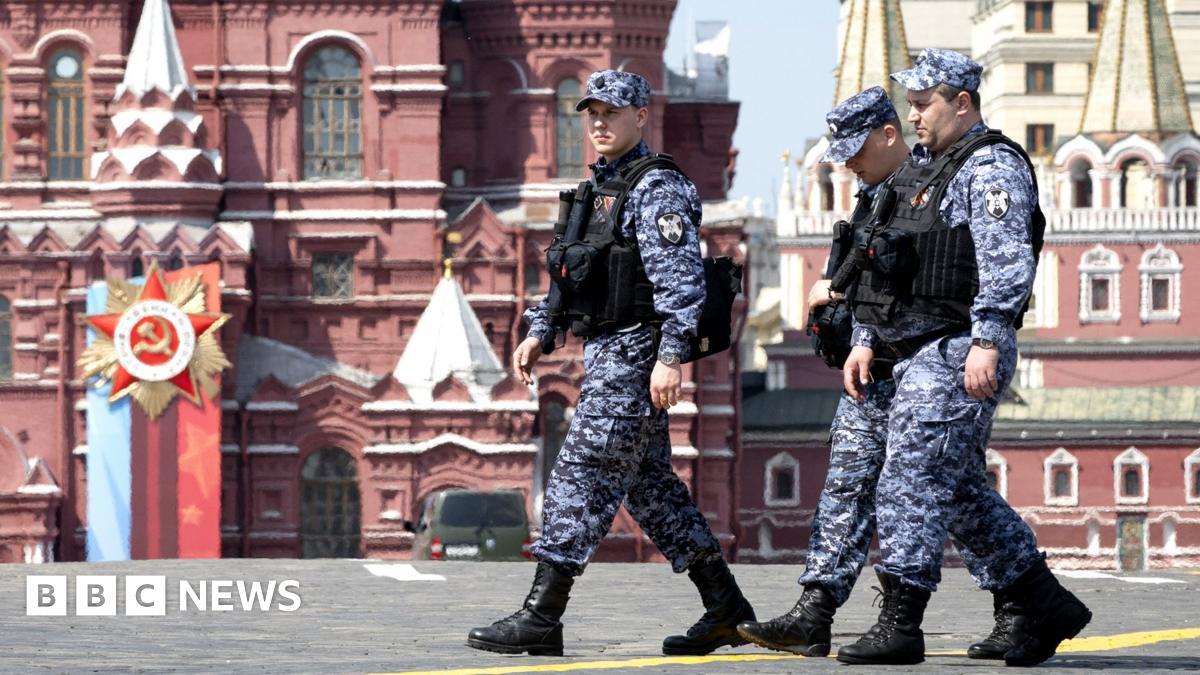
The Conversation said the parade would be “with no heavy military hardware for the first time in 20 years,” and added that there would be fewer foreign or Russian dignitaries present.
Radio Free Europe/Radio Liberty reported that Putin watched from a grandstand in front of Lenin’s Tomb as soldiers marched and gun-turreted military vehicles, truck-mounted missiles, and other heavy weapons rolled across Red Square last May 9, and said this year’s absence of equipment signals Russia’s inability to prevail in the war it began with a full-scale invasion of Ukraine in February 2022.
In the same reporting, Radio Free Europe/Radio Liberty said Russia urged foreign governments to evacuate diplomats and citizens from Kyiv on May 6, warning its military would strike the city hard if Ukraine targets Moscow on the “sacred holiday.”
Security Measures and Disputes
Ahead of the May 9 parade, the government restricted mobile internet access on May 9 and shut down airports, while the Kremlin said the security measures were intended to guard against Ukrainian “terrorism.”
The Conversation reported that Ukrainian President Volodymyr Zelensky rejected the Kremlin’s proposal, calling it a “theatrical performance,” and Radio Free Europe/Radio Liberty said Russia interpreted Zelenskyy’s statements as threats to attack Moscow during the ceremonies.

Radio Free Europe/Radio Liberty also said the Kremlin ignored Ukraine’s call for a truce starting May 6, and that Russia had unilaterally declared a cease-fire on May 8-9.
The BBC reported that a Ukrainian drone hit an upmarket residential high-rise in Moscow in the early hours of Monday, causing visible damage to the façade of the building but no casualties, and that two other drones were intercepted with Mayor Sergei Sobyanin saying so.
In the same BBC account, the Russian defense ministry said a total of 117 drones were intercepted over several Russian regions between Sunday and Monday, with 60 aimed at the region of St Petersburg, as the regional governor Aleksandr Drodzhenko described it as a “massive” attack.
War Pressure and Political Fallout
BBC reporting framed the absence of tanks and ballistic missiles on Red Square as a sign that Russia’s war on Ukraine is “not going to plan,” quoting Russian MP Yevgeny Popov saying, “Our tanks are busy right now.”
“Over a quarter-century in power, President Vladimir Putin has used Russia’s Victory Day parade to show off its military might, accentuate his dominance, and deliver belligerent narratives on World War II and the current geopolitical landscape, often suggesting that Moscow is fighting off a threat from the West that mirrors that of Nazi Germany”
In the same BBC piece, Popov said, “We need them more on the battlefield than on Red Square,” while the article described how the threat of Ukrainian drones over Red Square was used to justify paring back the parade.
Radio Free Europe/Radio Liberty said the war has dragged on longer than the 1,418 days the Soviet Army fought against Germany before its surrender in 1945, calling it an awkward milestone for Putin as he leads ceremonies marking the Nazi defeat.
The Conversation added that the Kremlin’s precautions at home were “a sign that Ukraine’s long-range strike capabilities have punctured one of Russian President Vladimir Putin’s most important political rituals,” and it pointed to Ukraine’s ability to hit targets far inside Russia.
BBC also described domestic consequences, saying Russians expressed irritation with “state-imposed restrictions on the internet” and that officials warned mobile internet restrictions would be imposed on Victory Day in Moscow “in the interests of security.”
More on Ukraine War

Trump Says Russia and Ukraine Agree to Three-Day Ceasefire and Prisoner Swap
18 sources compared

Russia Warns Foreign Diplomats In Kyiv Of Retaliatory Strike If Ukraine Disrupts May 9 Commemorations
16 sources compared
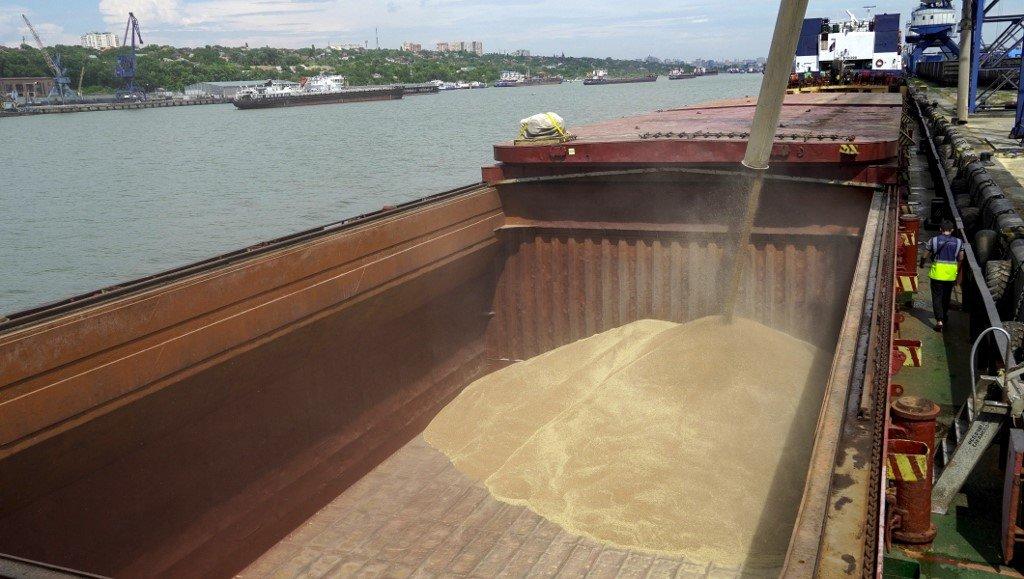
Zelensky Threatens Sanctions As Ukraine Summons Israel Ambassador Over Stolen Grain At Haifa Port
11 sources compared
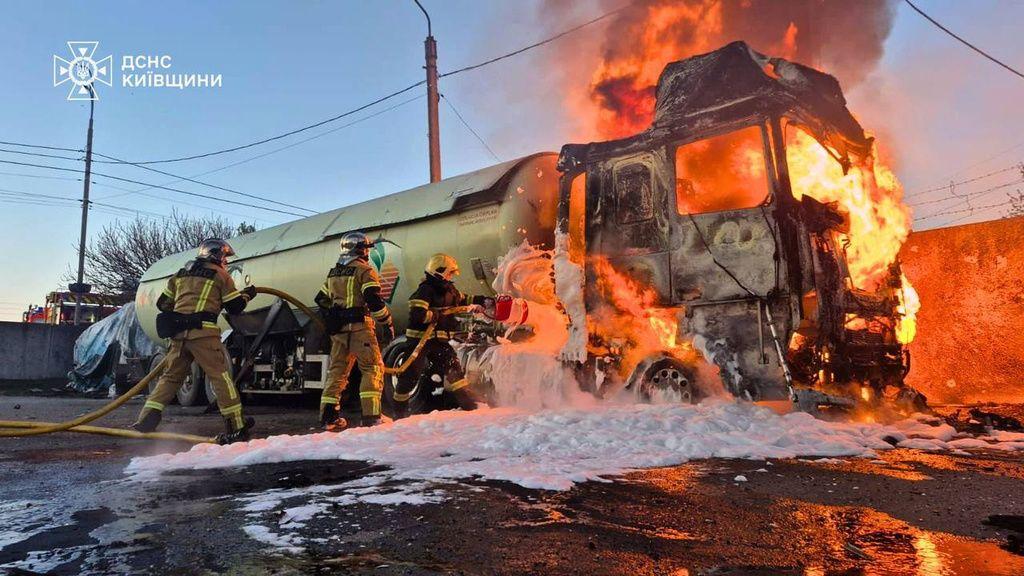
Russia Attacks Kindergarten After Ignoring Ukraine Ceasefire, Zelensky Says
29 sources compared