
Kremlin Throttles Internet Access, Leaving Russians Cut Off From Telegram Air Raid Alerts
Key Takeaways
- Telegram slowed and WhatsApp cut off by Kremlin authorities.
- Kremlin seeks to reassert control over the digital space.
- Public life disrupted as messaging apps blocked and services throttled.
Shutdowns and workarounds
The Kremlin throttled internet access in Russia, with a three-week shutdown this year spanning most of March that left messaging platforms “went dead” and cut off residents in areas close to Ukraine from Telegram, the main tool used to communicate air raid alerts.
“Under the banner of digital sovereignty, Moscow is accelerating the lockdown of its messaging apps and, by force, redraws the boundaries of its web”
In Moscow, the Washington Post described how the shutdown created a “time warp back to the 1990s,” with people panic-buying radios and pagers and unfolding paper maps as public toilets stopped working and taxi and ride-sharing apps were unreachable.
Kremlin spokesman Dmitry Peskov said in public remarks that the shutdown was “temporary and for safety,” while the Washington Post reported that the restrictions ended “as abruptly as it began, with little explanation beyond security concerns.”
The Washington Post also reported that last week residents of Russia’s largest cities woke to find their phones again unable to connect to mobile internet and, in some areas, unable even to make calls or send text messages, with authorities justifying the move as necessary security measures ahead of Victory Day celebrations.
Alexander Baunov, a political analyst with the Carnegie Russia Eurasia Center, wrote that “They are being asked to trade their rights for the leader’s security.”
Telegram slowed, WhatsApp hit
France 24 reported that Telegram was slowed down by Russian authorities on Tuesday, with restrictions starting Tuesday, February 10, and first applied in Russia's peripheral regions before reaching major cities such as Moscow and Saint Petersburg.
Roskomnadzor acknowledged restricting Telegram's activity because the platform did not comply with Russian laws and did too little to combat fraud, but France 24 said the watchdog did not specify the nature of the law breaches or which frauds were involved.
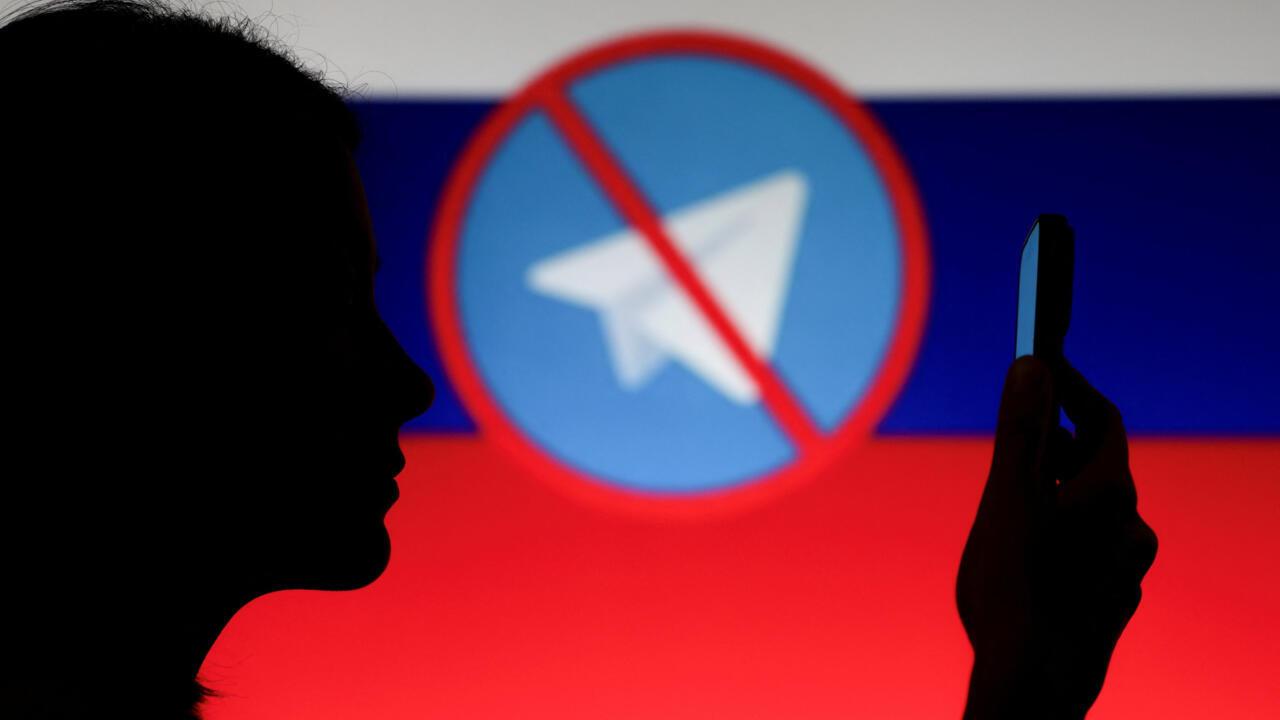
France 24 quoted researcher Kseniia Ermoshina of the CNRS's Centre for Internet and Society saying, “Everything takes longer,” which users notice especially when sending videos, photos, or listening to music.
The Washington Post described how, in areas close to Ukraine, residents were cut off from Telegram during the March shutdowns, and it said the shutdown ended with little explanation beyond security concerns as Ukraine extends the reach of its attacks inside Russia.
In parallel, the BlogDigital local Western piece said the outright blocking of WhatsApp followed by restrictions targeting Telegram marked a turning point, and it stated that these two apps accounted for “more than 100 million users in the country.”
Sovereign internet and stakes
The BlogDigital local Western piece framed the Kremlin’s approach as “digital sovereignty,” saying Moscow accelerated the lockdown of messaging apps and pushed MAX as a national app intended to replace foreign players.
“Democracy Dies in Darkness By Mary Ilyushina In Moscow, a highly digitized city humming with online services, a three-week internet shutdown this year created a sense of time warp back to the 1990s”
It reported that by the end of 2025 the platform already claimed 75 million users, and it said MAX’s mandatory installation on every new device sold in Russia illustrated the scale-up.
The Washington Post reported that the Kremlin’s apparent long-running effort to sever Russians from the global internet offered a glimpse of what daily life could look like if it reached a final tipping point, and it described a shift from a “blacklist” model to white-listing only select services to remain online.
France 24 added that the crackdown on Telegram fit into a broader context of state effort to reduce Russia's dependence on foreign services or those that cannot be controlled by authorities, and it said Roskomnadzor’s restrictions drew sharp criticism even from circles not used to challenging the Kremlin’s decisions.
Will Kingston-Cox, a Russia specialist at the International Team for the Study of Security (ITSS) Verona, said the restrictions reflected “a desire to accelerate the transition to a sovereign Russian Internet,” while the BlogDigital piece warned that centralizing communications in an opaque local ecosystem could facilitate systematic surveillance and targeted censorship.
More on Russia

U.S. Authorizes Iranian Oil Sales Through August After Talks in Switzerland
18 sources compared
Russia Lancia Attacchi Massicci Su Kiev E Kharkiv, Colpiti Edifici Residenziali E Infrastrutture Energetiche
10 sources compared
Gunman Kills Russian Kremlin Critic Semyon Skrepetsky in Biała Podlaska
10 sources compared
Russian Admiral Grigorovich Fired Warning Shots At UK-Registered Yacht In English Channel
34 sources compared