Ukraine War03 May, 20262 min read
Kyiv’s AI Drones And Robots Improve Precision, Ukraine Says, With Termit Recovery Vehicle
This article is an automated aggregation of coverage from news outlets. Our editorials offer in-depth analysis curated by the NewsCord team.
Ukraine says it captured a Russian position using robots and drones only. Autonomous systems reportedly boost attack precision by about 30% due to AI.
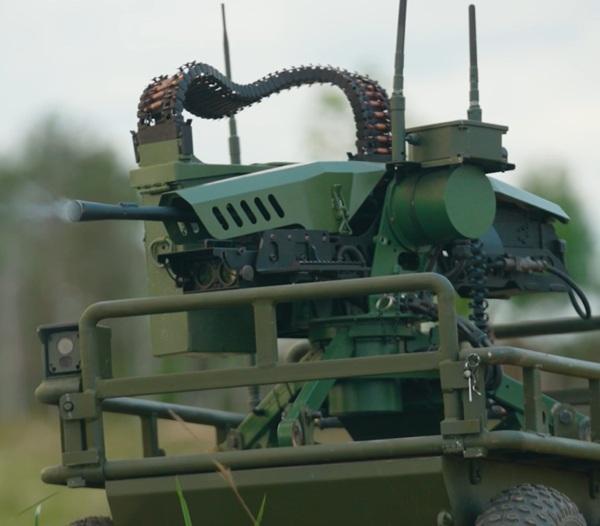
AI drones and robot tactics
A report from Corriere della Sera describes how “Droni con l’AI e robot” from Kyiv are changing battlefield dynamics, including a claim that the use of “sistemi autonomi – senza pilota umano a distanza” improves the precision of attacks by 30%. The same article says Ukraine has a “banca dati di milioni di video di combattimento con i droni” and describes a ground vehicle called Termit, a “piccolo cingolato con guida a distanza anche di centinaia di metri” used to recover the wounded and provide mobile artillery positioning.
It also says that, for one drone producer, models must evolve continuously and that to avoid Russian interference on radio frequencies, the newest drones are “legati a un cavo a fibre ottiche di 25 chilometri arrotolato a un rocchetto.” In parallel, the BBC frames the broader shift by noting Zelensky’s video claim of an operation using “solo robots e droni,” while UFORCE’s UK director of strategic partnerships, Rhiannon Padley, says the firm has “condotto più di 150,000 successful combat missions” since the full-scale invasion in 2022.
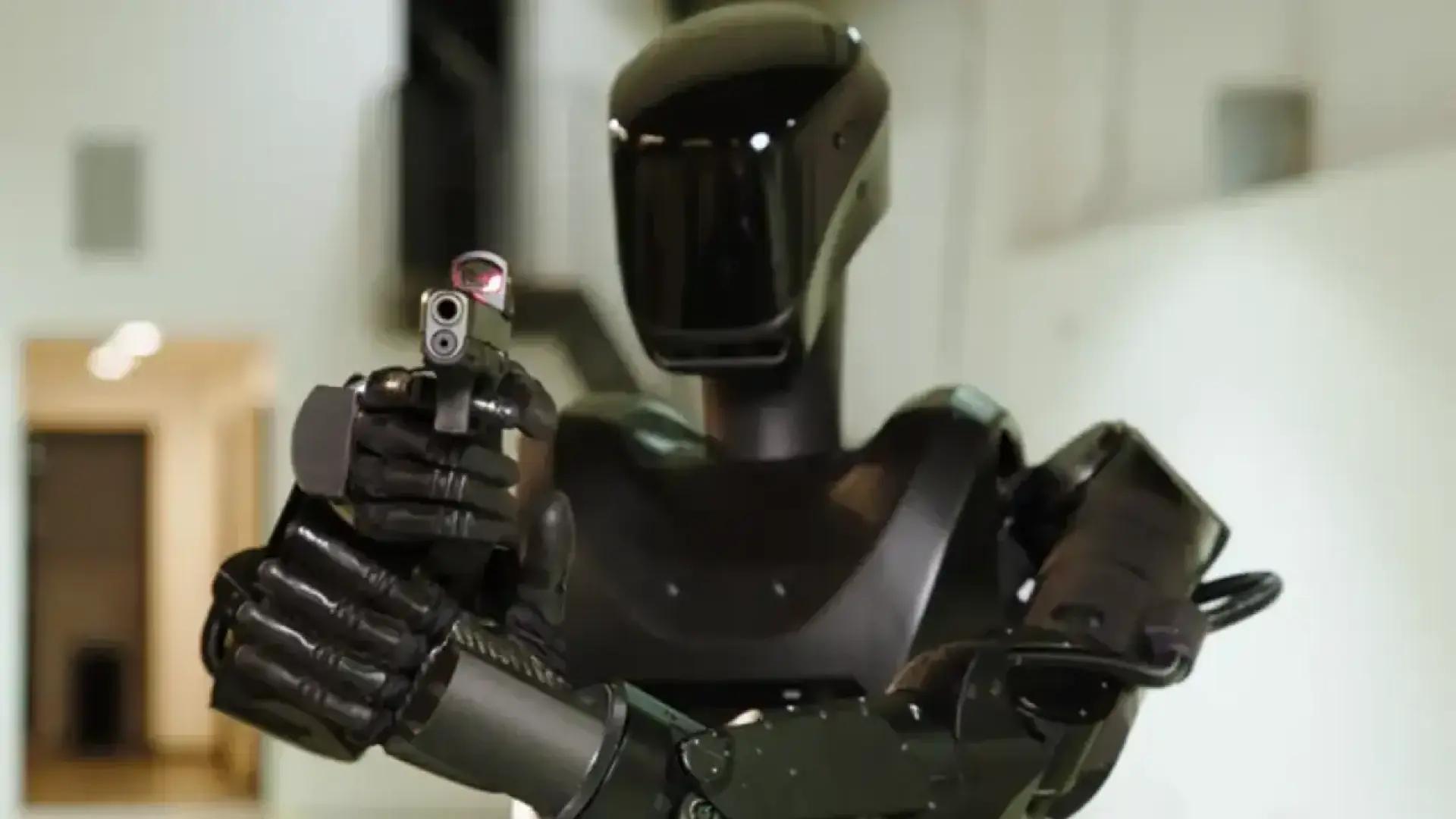
Success rates, autonomy, and debate
Xpert.Digital argues that AI-driven systems are already reshaping operations, claiming that “human-controlled units achieve a success rate only around 10 to 20 percent” while “autonomously controlled drones achieve a success rate of 80 percent.” The BBC, meanwhile, describes how companies are pushing toward autonomy and quotes Rhiannon Padley saying UFORCE’s air, land and sea drones are “currently being used in combat operations,” while refusing to provide specifics about the operation Zelensky highlighted.
The BBC also brings in a policy and ethics dispute, quoting Patrick Wilcken of Amnesty International that “delegating life-and-death decisions to machines poses profound ethical and human rights risks.” On the industry side, Dr Rich Drake of Anduril Industries counters that “Computing allows us to reduce errors across what we call the kill chain,” tying the push for AI to reducing mistakes in targeting and attack execution.
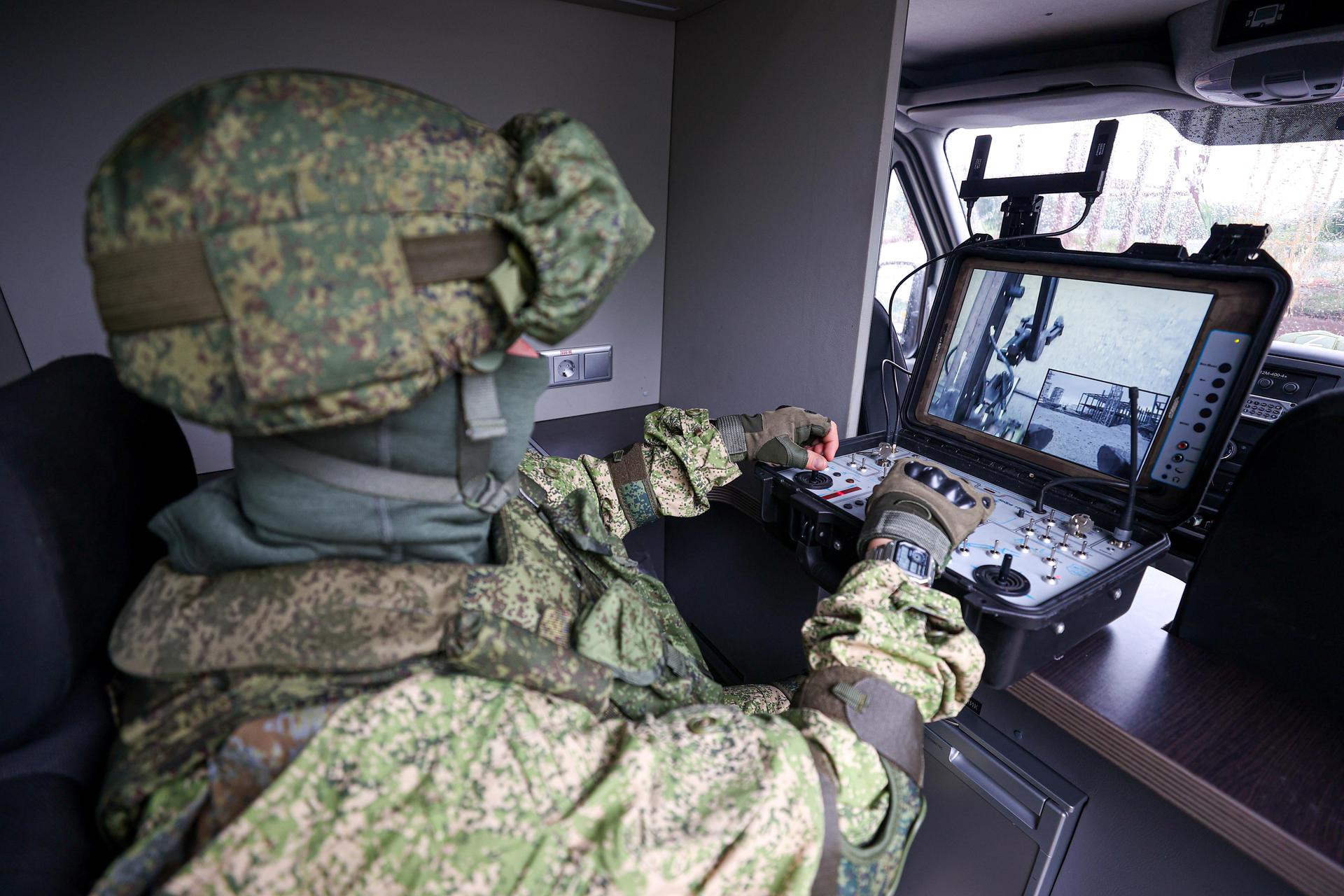
What comes next for defense
Corriere della Sera warns that European rearmament risks becoming obsolete, saying “non possiamo più fingere di non vedere” the pace of innovation and that Europe is about to spend “decine o anche centinaia di miliardi di euro” on defense systems that could be “già obsoleti.” It also claims that in Kyiv’s forces, “oggi è solo il 25% delle unità dell’esercito di Kiev” that fight with drones, while the same article says those units account for “il 75% dei bersagli colpiti.”
The BBC adds that the future of warfare is already a business and a strategic contest, noting UFORCE’s “unicorn” status with a valuation of “more than $1bn (£730m)” and quoting Melanie Sisson of the Brookings Institution that “necessity drives invention.” It also situates the stakes in a race between autonomy and accountability, quoting Jacob Parakilas of RAND Europe that “Ukrainian and Russian drones already fight each other,” and that extending this to land and maritime warfare seems “extremely likely, if not inevitable.”