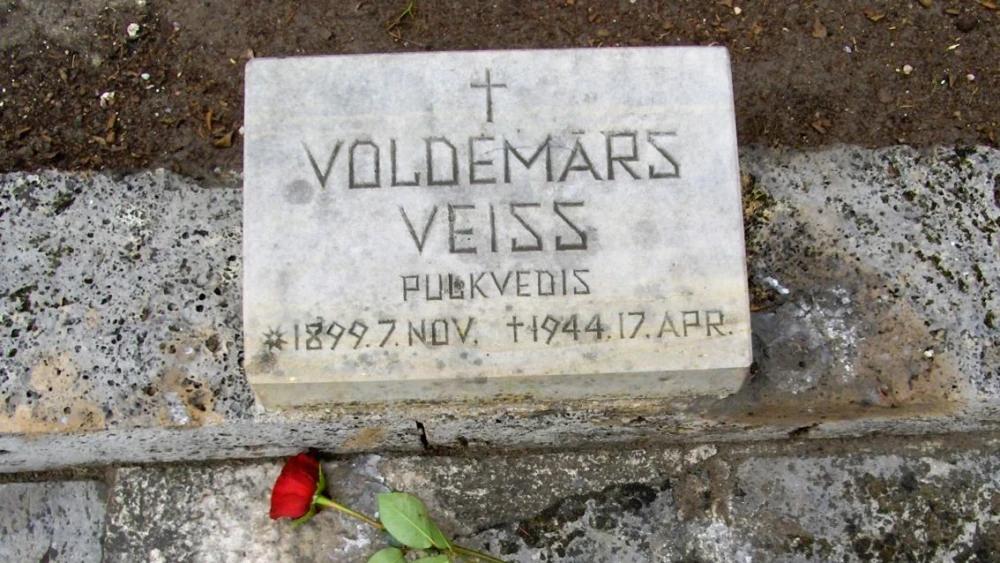
Latvia Honors SS Officer Voldemārs Veiss as Flowers Appear at Riga Cemetery
Key Takeaways
- Flowers were laid at Riga's Brothers' Cemetery for Voldārs Veiss, an SS officer.
- The act was framed as Latvia’s Victory Day contradiction and sparked public criticism.
- Riga's Brothers' Cemetery is described as Latvia's most sacred military burial site.
Victory Day and Nazi ties
Every May 8, Europe commemorates the defeat of Nazi Germany and the end of one of history’s greatest evils, and in Latvia a contradiction continues to unfold at Riga’s Brothers’ Cemetery.
“Gift this articleShare to FacebookPrint article Article printing is available to subscribers only Print in a simple, ad-free format Subscribe Comments: SaveZen Reading Zen reading is available to subscribers only Ad-free and in a comfortable reading format Subscribe”
At that cemetery, SS-Standartenführer Voldemārs Veiss—described as a man associated with the Nazi occupation apparatus and the persecution of Riga’s Jews—rests in the most sacred section, directly at the feet of the Mother Latvia monument itself.

The author, Eugene J. Levin, argues that flowers continue to appear at Veiss’s grave even as Latvia officially participates in ceremonies marking the defeat of Nazism.
Levin writes that Veiss became a high-ranking officer within the Waffen-SS structure during the Nazi occupation and that historical records indicate he was placed in command of auxiliary police units in Riga involved in rounding up Jews throughout the city.
Levin frames the burial as a moral collapse, writing that “That is not historical complexity but moral collapse.”
Accountability and a presidential reply
Levin says the Riga Ghetto was where tens of thousands of Jews were imprisoned before mass murder in the Rumbula forest outside Riga, and he adds that Latvia’s Jewish community was almost completely destroyed during the Holocaust.
He argues that in an E.U. and NATO member state that speaks about democracy and European values, “a man associated with that system remains buried with honor at the nation’s most revered military cemetery.”

Levin says he wrote to Latvian President Edgars Rinkēvičs about the contradiction and that the presidential office responded with a three-page reply filled with self-congratulatory language praising Latvia’s Holocaust education programs and memorial initiatives.
In describing that response, Levin says it was “bureaucratic, evasive and ultimately hollow—another example of the carefully managed language Latvia has mastered.”
Levin concludes that the issue cannot be solved with public relations language and calls for moral clarity in how Latvia remembers both Soviet and Nazi crimes.
No Gaza material in sources
The provided SOURCE ARTICLES do not contain any reporting, quotes, or named actors specifically about a “War on Gaza,” and they do not include any Gaza-related dates, locations, casualty figures, or official statements.
Instead, the remaining sources shown are unrelated to Gaza: Parents.fr discusses given-name choices in France, and Haaretz Today contains a page of subscription-gated interface text about an IDF magazine Bamahane.
Because the SOURCE ARTICLES block contains no Gaza facts to ground a narrative, this article cannot report events, decisions, or impacts tied to Gaza without violating the requirement to use only what appears verbatim in the sources.
The only direct, named historical subject matter in the sources is Latvia’s commemoration of Nazi defeat and the burial of SS-Standartenführer Voldemārs Veiss at Riga’s Brothers’ Cemetery.
The sources also include a line about the Six Day War’s “Saga of Victory,” but the excerpt provided does not supply any Gaza-specific details beyond references to “Rafiah in Gaza” and “Kuneitra to Kalkilia.”
More on Gaza Genocide

Israeli Raids Injure Palestinian, Arrest Two in Hizma and Hebron West Bank
16 sources compared
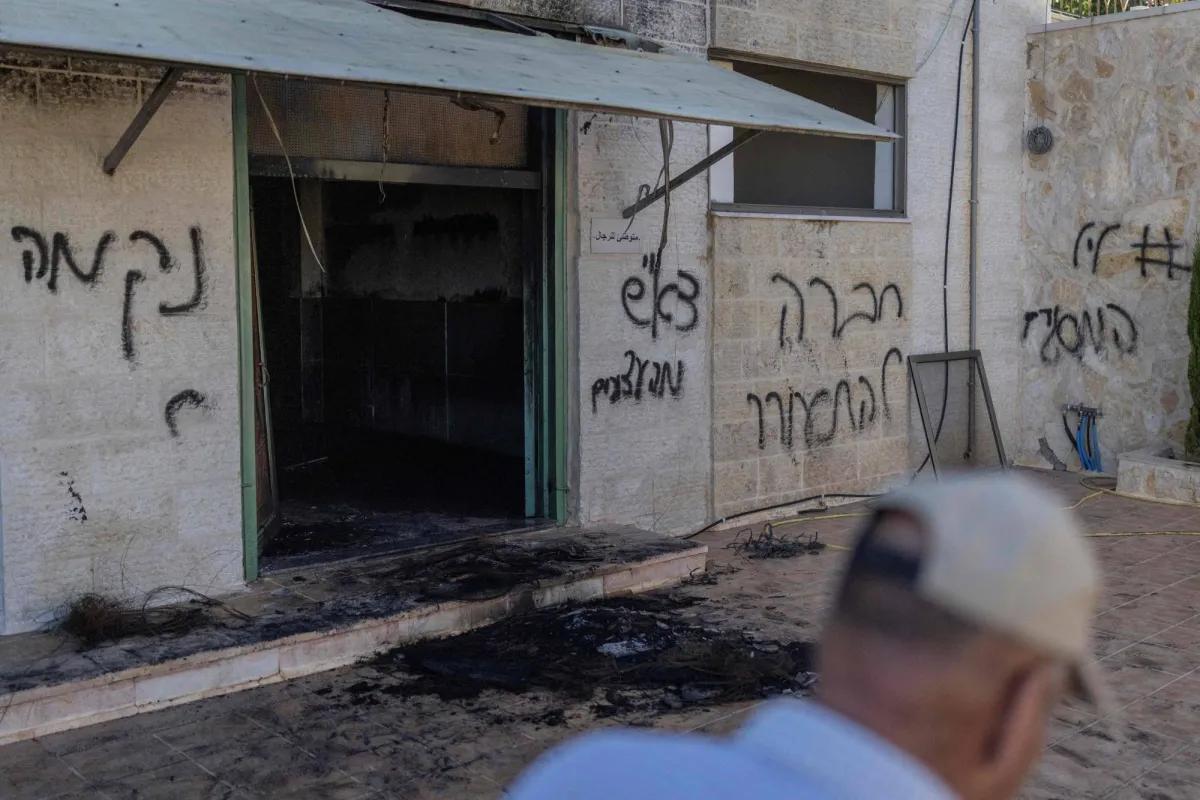
Israeli Prosecutors Charge Six Settlers With Terror Offenses After Deir Dibwan Mosque Arson
10 sources compared

Israeli Forces Kill Mustafa Taha Mustafa Al-Khatib and Mohammed Nazem Zayed in West Bank
10 sources compared

Zohran Mamdani-Backed Candidates Sweep New York Democratic House Primaries
16 sources compared