Lebanese Poll Finds 58% Support Disarming Hezbollah and Peace With Israel
Key Takeaways
- 58% of Lebanese back disarming Hezbollah and pursuing peace with Israel.
- Washington-brokered talks yield agreement to begin negotiations on disarmament and bilateral peace.
- Public opinion remains fragmented on negotiations, normalization, and the arms monopoly.
Poll shows sectarian split
A new opinion survey conducted by Information International and published on Monday by Lebanese broadcaster Al-Jadeed found Lebanese public support for disarming Hezbollah and increased openness to a peace agreement with Israel, even as sectarian divisions persist.
“Lebanese People Broadly Support Hezbollah’s Disarmament, Peace With Israel, New Poll Finds Error: Contact form not found”
The poll reported that respondents were almost evenly split on responsibility for the current conflict, with 33.8 percent attributing blame to Hezbollah and 32.9 percent to Israel.
It also found strong overall backing for disarming Hezbollah, with 58 percent in favor and 34 percent opposed, while support was concentrated among Maronite, Orthodox, and Druze respondents and opposition was overwhelmingly high among Shiite participants.
By sectarian breakdown, support for curbing Hezbollah’s armed capabilities reached 89 percent among Orthodox Christians, 87 percent among Maronites, 77 percent among Druze, and 70 percent among Sunnis, whereas about 88 percent of Shiite respondents opposed the measure.
The survey further indicated relatively strong backing for a peace agreement with Israel among non-Shiite communities, with Druze respondents recording the highest support at 84 percent, followed by 77 percent of Maronites and 72 percent of Orthodox Christians, while 92 percent of Shiites opposed such an agreement.
Negotiations resume in Washington
With direct talks between Israeli and Lebanese officials resuming last week, the poll showed varying levels of support for negotiations, including 78 percent among Maronites, 74 percent among Orthodox respondents, and 72 percent among Druze, compared with 93 percent opposition among Shiite participants.
The same survey found normalization with Israel remained unpopular, with only about 30 percent in favor and roughly 59 percent opposed, and it reported that support for normalization stood at 58 percent among Maronites, 49 percent among Orthodox Christians, and 79 percent among Druze.
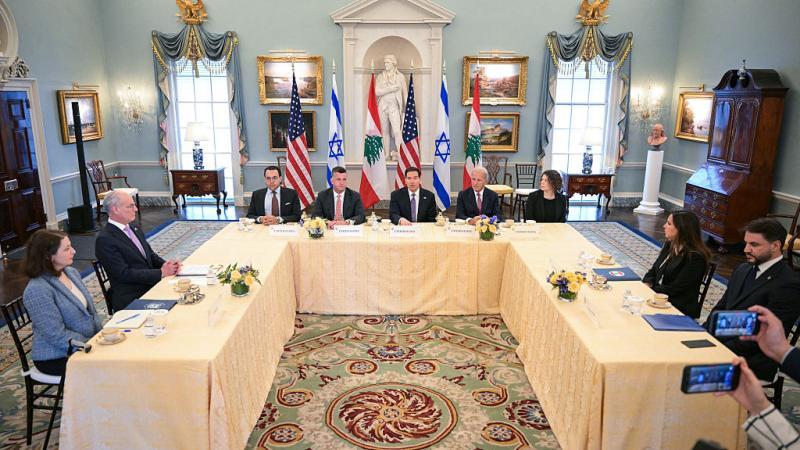
In Washington, a trilateral meeting at the U.S. Department of State included Secretary of State Marco Rubio and U.S. State Department Counselor Michael Needham, along with Israel's ambassador to the United States Yehiel Leiter and Lebanon's ambassador to the United States Nada Hamadeh Maoud.
All parties agreed to launch direct negotiations at a time and place to be agreed upon among them, and the United States congratulated the two countries on what it called a historic achievement while expressing support for the Lebanese government’s plans to restore a monopoly on weapons and end Iran’s excessive influence.
Israel’s ambassador Yehiel Leiter told reporters that the Lebanese government had clarified during the talks, mediated by the United States, that it no longer wishes to be occupied by Hezbollah.
War toll and displacement
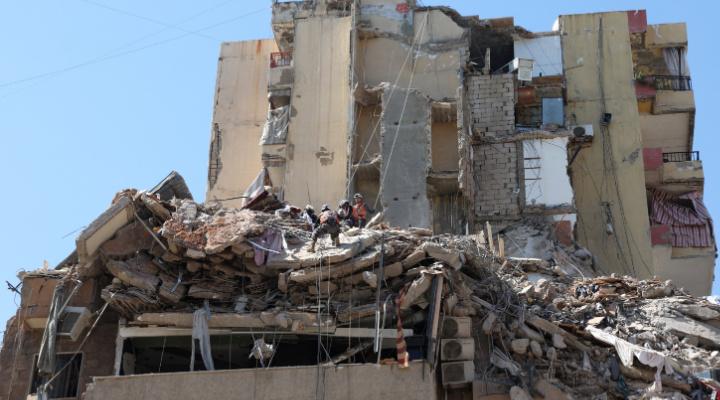
While the poll and negotiations unfolded, the war’s human impact continued to mount, with Lebanon’s health ministry saying the death toll in the latest round of fighting between Israel and Hezbollah surpassed 3,000.
“Please enable cookies”
The ministry said the toll is now 3,020 killed in the Israeli strikes, including 292 women and 211 children, and it said fighting began on March 2 when Hezbollah fired at Israel two days after the U.S. and Israel attacked Iran.
More than a million people have been displaced in Lebanon by the fighting, with some sheltering in tents along roads and the sea in Beirut, as Israeli troops remained in large swaths of southern Lebanon.
In south Lebanon, Naharnet said at least six people were killed Tuesday and 3 others wounded in strikes, including a strike on a home in Kfarsir that killed four people and wounded two.
Naharnet also reported that Israeli artillery shelled Beit Yahoun and Debbine while white phosphorus shells hit al-Mansouri, and it quoted the Israeli military’s Arabic-language spokesman Avichay Adraee urging residents to evacuate ahead of imminent strikes.
More on Lebanon
Israeli Strikes Kill 254 in Lebanon as U.S.-Iran Talks Prepare in Islamabad
12 sources compared
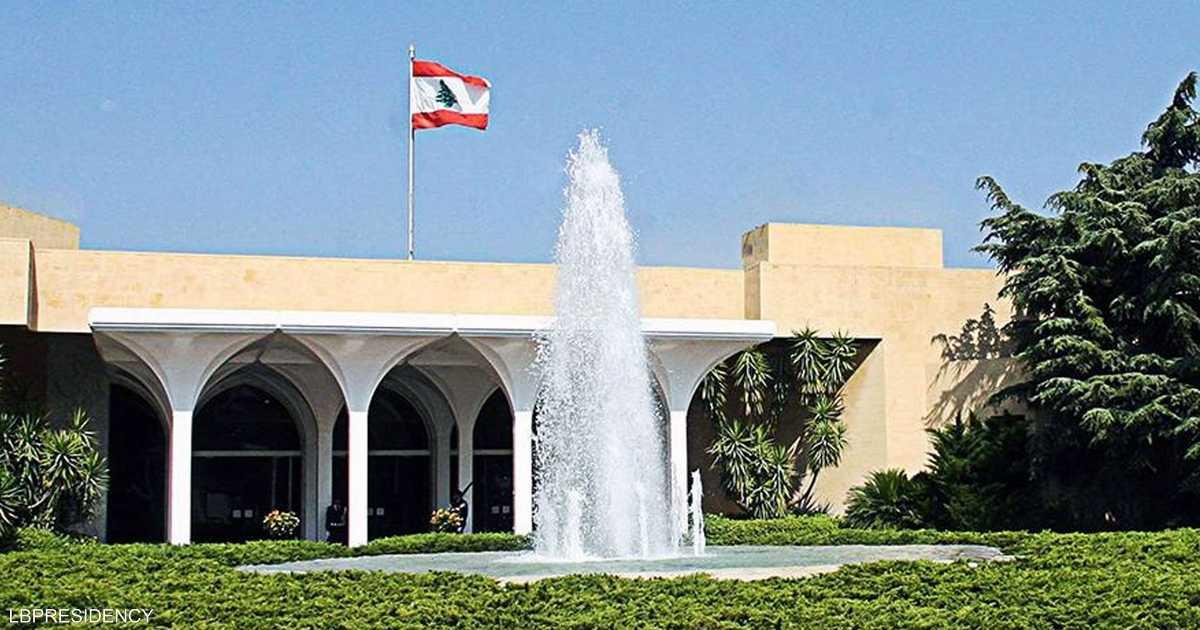
Israel Launches Airstrikes on Hezbollah Targets as Israel-Lebanon Ceasefire Extended 45 Days
15 sources compared
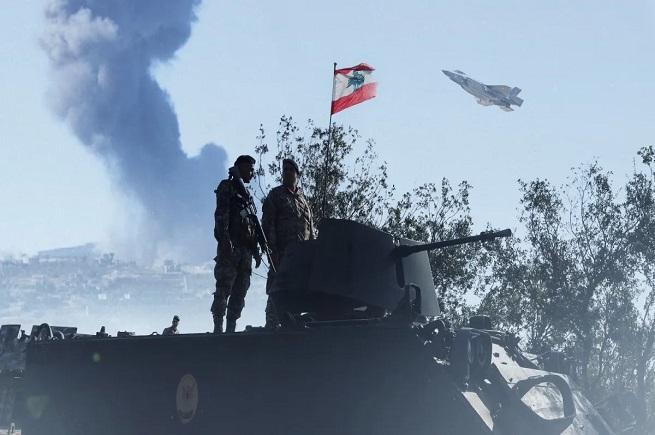
Israeli Air Strike Kills Six in Harouf as Israel and Lebanon Extend Ceasefire
11 sources compared
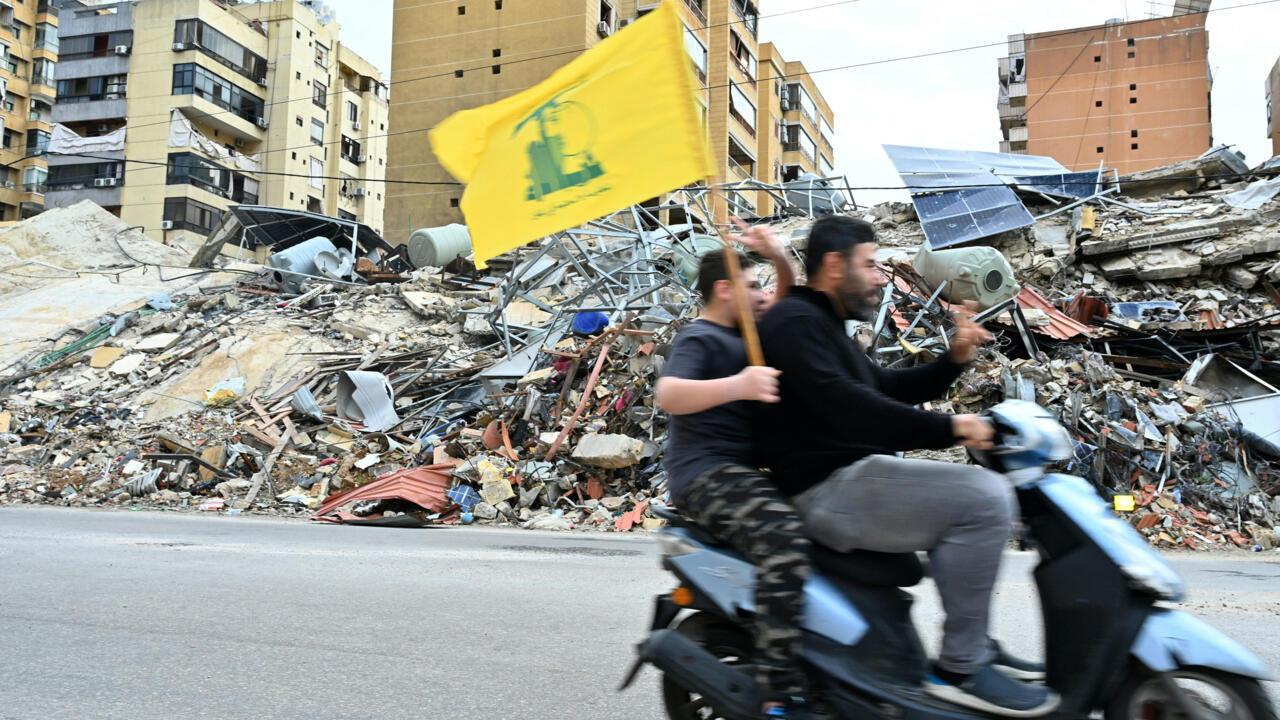
Israeli Strike Kills Six, Including Three Paramedics, in Harouf as US Extends Lebanon Ceasefire
39 sources compared