Lufthansa Cuts 20,000 European Short-Haul Flights As Jet Fuel Prices Surge
Key Takeaways
- Lufthansa Group cancels 20,000 European short-haul flights this summer through October to curb fuel costs.
- Jet fuel prices have roughly doubled since the US-Israel war with Iran began.
- Cuts target unprofitable short-haul routes to reduce fuel costs.
Lufthansa’s 20,000 Cuts
Lufthansa is cutting about 20,000 European short-haul flights over the summer as jet fuel prices surge, and it says the move is meant to remove routes it describes as “unprofitable.”
“Latvian President Edgars Rinkēvičs’ visit to Azerbaijan on 22 April highlighted expanding cooperation in energy, trade and transport, as Eu”
Reuters reports that Lufthansa said soaring fuel prices have made many journeys “unprofitable,” and that it would save roughly 40,000 metric tons of jet fuel through its flight cuts.

Travelweek similarly describes Lufthansa Group reducing its summer flight schedule by cutting approximately 20,000 short-haul services through October, tying the cancellations to rising fuel costs and streamlining its European network.
Euronews adds that the group focused cuts on “unprofitable short-haul flights” through to October and projected the move to save more than 40,000 metric tonnes of jet fuel.
Multiple outlets also link the cuts to Lufthansa’s CityLine operation, with Reuters saying the majority of the fuel savings will come from the closure of its CityLine service and Travelweek describing cancellations “largely tied to flights previously operated by Lufthansa CityLine.”
Lufthansa’s own statement, as carried by Euronews, says passengers will “continue to have access to the global route network, particularly long-haul connections,” but that this will be achieved “significantly more efficiently than before.”
The first phase is already underway, with Reuters and Euronews both pointing to the first 120 daily flight cancellations being implemented on Tuesday, April 21, and remaining in place through the end of May.
Fuel Shock and Route Logic
The airline’s decision is tied to a broader fuel shock linked to the US-Israel war with Iran, which Reuters says has slowed production and transportation across the Middle East and has pushed jet fuel prices higher.
Reuters reports that “Jet fuel has doubled in price since the start of the US-Israel war with Iran,” and it describes the Gulf as a major source of aviation fuel, accounting for about 50% of Europe’s imports.
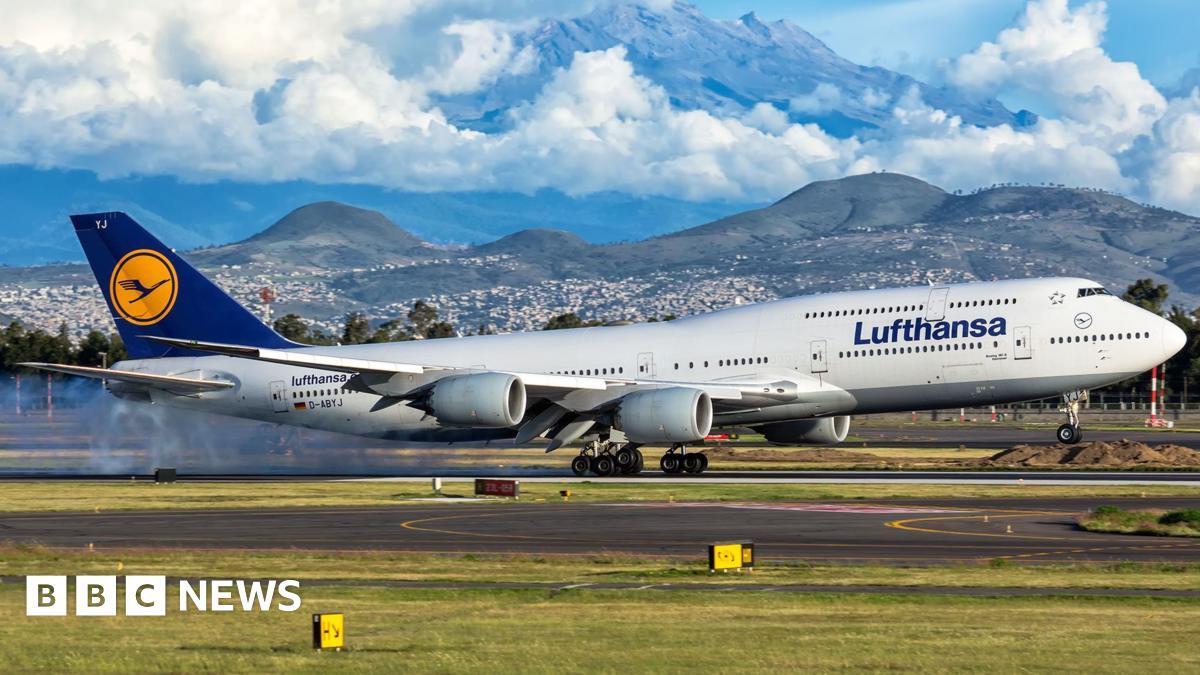
The BBC similarly frames the situation as a fuel crisis, while Reuters adds that “The bulk of it comes through the Strait of Hormuz,” which Iran has effectively closed in response to US and Israeli attacks.
Travelweek and Euronews both connect the cancellations to the same cost pressure, with Travelweek stating the cost of jet fuel has doubled since the outbreak of the Iran conflict and Euronews citing kerosene price dynamics in the same context.
Reuters also says Lufthansa announced last week it was accelerating the closure of CityLine, retiring 27 aircraft, due to “significantly increased” fuel prices and “additional burdens from labour disputes.”
In parallel, Lufthansa says it is revising its whole European schedule and will release more details later in April, while Travelweek says the updated schedule is expected in late April or early May.
Euronews adds a specific pricing datapoint, reporting that “the weekly average price of jet fuel in Europe currently stands at $188 (€159.97) per barrel – up 106.5% from last year's average.”
The airline’s stated approach is to protect long-haul connectivity while trimming short-haul capacity, and Reuters quotes Lufthansa saying passengers will “continue to have access to the global route network, particularly long-haul connections,” even as the European network is reduced.
First Phase and Hub Shifts
Lufthansa’s initial schedule changes are already in motion, with multiple outlets describing the timing and the destinations affected.
“The group, which includes Austrian Airlines, Brussels Airlines, ITA Airways and SWISS, said it has focused cuts on "unprofitable short-haul flights" through to October”
Reuters says Lufthansa would temporarily stop flying to and from Heringsdorf, Cork, Gdańsk, Ljubljana, Rijeka, Sibiu, Stuttgart, Trondheim, Tivat, and Wrocław, and Travelweek and Euronews both describe the consolidation of connections through other hubs.
Travelweek specifies that “The first 120” daily flight cancellations were implemented on Tuesday, April 21, effective through the end of May, with affected passengers notified in advance.
Euronews adds that as a result of the changes the group no longer offers flights to three destinations: Bydgoszcz and Rzeszów in Poland as well as Stavanger in Norway.
Travelweek also says routes from Frankfurt to Bydgoszcz and Rzeszów in Poland, along with Stavanger in Norway, have been temporarily removed from the schedule, and it describes additional consolidation of 10 connections through other hubs within the Group network.
The Lufthansa Group statement carried by Euronews and the “Lufthansa Group | Other” release both list the hubs involved, including Frankfurt, Munich, Zurich, Vienna, Brussels and Rome, and both describe the plan to revise medium-term route planning with an updated schedule expected in late April or early May.
“Lufthansa said it was reviewing its whole European schedule and would release more details later in April,” Reuters reports, while Travelweek says the revised plan will include further adjustments to short-haul offerings for the summer season.
The airline also says it will either refund affected passengers or book them on alternative flights with SWISS, Austrian Airlines, Brussels Airlines, and ITA Airways where possible, according to Reuters.
Industry-Wide Pressure and Framing
Lufthansa’s move sits inside a wider European aviation response to the same fuel shock, and outlets describe both the competitive and regulatory context.
Reuters reports that several airlines, including KLM-France and Delta, have temporarily cut some flights while others have raised ticket prices as they pass on expenses to customers, and it says analysts have warned travellers should expect further ticket price rises and more cancelled flights as the conflict continues.

Euronews adds that Norse Atlantic axed its London Gatwick to Los Angeles route due to fuel fears, and it quotes a spokesperson saying, “This cancellation is due to the unforeseen global fuel crisis, and we unfortunately – with [a] heavy heart – had to cancel our beloved LAX routes with too high fuel risk exposure.”
Euronews also reports that KLM announced it is cancelling 160 flights to and from Schiphol Airport in the Netherlands in May, and it says Scandinavian airline SAS announced last month that at least 1,000 flights would be axed in April.
The same Euronews report describes Aer Lingus cutting as many as 500 flights from its summer schedule, while also noting that rising baggage costs add to passengers’ woes, including Delta’s extra $10 (€8.51) for checked bags and the claim by ABC News that it was the first time Delta increased baggage fees in two years.
TradingView frames Lufthansa’s cuts as a profitability defense, saying the airline is moving quickly to defend profitability as jet fuel costs rise following the Iran war, and it adds that the first 120 cancellations were already implemented on Tuesday and will remain in place through the end of May.
In contrast, Reuters emphasizes the fuel supply and policy response, reporting that the International Energy Agency warned last week that Europe could run out of jet fuel in weeks, while the UK government and airlines say they are not seeing a disruption in supply.
Reuters also says the EU will set up a fuel observatory to track EU production, imports, exports and stock levels to identify potential shortages, and it quotes the EU hoping this would “mitigate the impact of high fuel prices and possible fuel shortages on the EU aviation sector.”
What Comes Next
Looking ahead, Lufthansa says it expects a largely stable fuel supply for summer operations while implementing measures such as physical fuel procurement and price hedging, even as warnings about potential shortages remain in the background.
Reuters reports that Lufthansa said it was cutting down its European network but that passengers will “continue to have access to the global route network, particularly long-haul connections,” and it adds that Lufthansa said this would be achieved “significantly more efficiently than before.”

Reuters also says the airline is reviewing its whole European schedule and will release more details later in April, while Travelweek says the updated schedule is expected in late April or early May and will include further adjustments to short-haul offerings for the summer season.
Euronews reports that the EU is moving to clarify passengers’ rights and airlines’ public service obligations amid jet fuel shortages linked to the Iran conflict, and it quotes Apostolos Tzitzikostas saying, “high fuel prices would not justify waiving passenger compensation for delays or cancellations.”
The same Euronews report describes how Teneo research found carriers like Lufthansa are “less exposed” to flight disruptions compared to Middle Eastern airlines due to their multi-hub operating model, and it ties that framing to Lufthansa’s ability to keep long-haul connectivity.
TradingView adds that Lufthansa’s first 120 cancellations were already implemented on Tuesday and will remain in place through the end of May, while broader reductions are expected to be outlined by late April or early May.
The Le Soir report, citing the Financial Times, says the detailed plan will be published “late April or early May” and that it will include “optimizations of the short-haul offer for the entire summer season, thus ensuring timetable stability during the flight planning period.”
Across the industry, Reuters warns that travellers should expect further ticket price rises and more cancelled flights as the conflict continues, while Lufthansa’s own messaging emphasizes that long-haul access will remain available even as short-haul capacity is reduced.
More on Business

CMA Fines AA And BSM £4.2 Million For Illegal Drip Pricing, Orders Refunds
11 sources compared
Miami Implodes 23-Story Mandarin Oriental Hotel on Brickell Key
10 sources compared

Pershing Square Launches $64B Takeover Bid for Universal Music
14 sources compared

Tesla Ends Model S and Model X Production, Shifts to Cybercab and Optimus
24 sources compared