
Macron And Starmer Convene European Allies In Paris To Plan Strait Of Hormuz Maritime Force
Key Takeaways
- Macron and Starmer host allied leaders in Paris to discuss a multinational force for Hormuz.
- Plan targets secure navigation through Hormuz once ceasefire is established; Washington not part of discussions.
- European states, including Belgium, the Netherlands, and France, can clear mines in Hormuz.
Paris summit for Hormuz
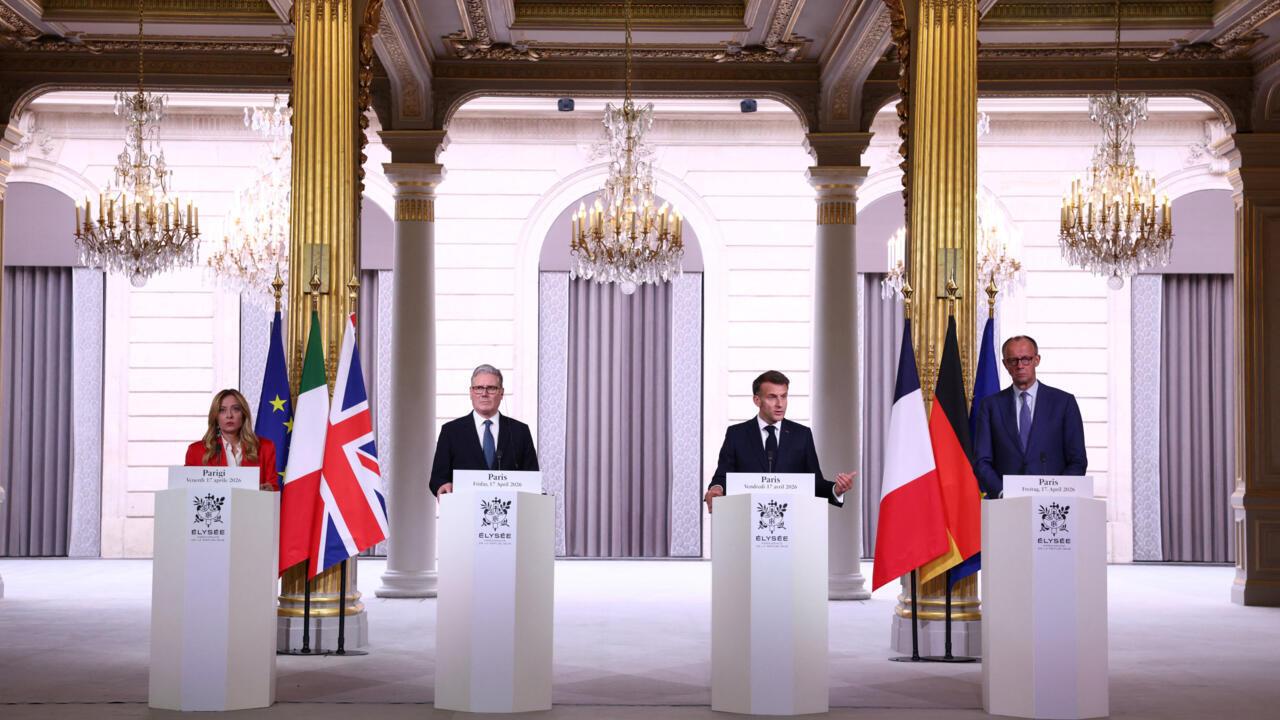
French President Emmanuel Macron and British Prime Minister Keir Starmer convened European allies in Paris to discuss a multinational maritime force for the Strait of Hormuz, with Washington deliberately absent from the discussions.
“France and the United Kingdom are convening dozens of countries to advance plans for a multinational maritime force to secure the Strait of Hormuz, but Washington is not part of the discussions”
Al Jazeera reported the meeting was held at the Élysée presidential palace in Paris on Friday, chaired by Macron and Starmer, with “about 30 to 40 countries participating in person or by video conference.”

France 24 described the gathering as a video conference hosted by Macron and Starmer to mull “the possible deployment of a multinational force to the Strait of Hormuz once the war in Iran is over.”
The Élysée invitation, as relayed by France 24, framed the effort as a strictly defensive mission aimed at “ensure freedom of navigation,” and officials emphasized it would be deployed only when the war ends.
The AFP account carried by الخليج said the leaders would discuss the formation of a multilateral force “once a ceasefire between Iran, the United States, and Israel is firmly established,” and that the force would not be deployed until after the war ends.
The same AFP report said the talks were planned to start “at 12:00 GMT,” and that the meeting would call for restoring freedom of navigation and addressing the economic repercussions of the blockade.
Across the coverage, the Strait of Hormuz is described as a chokepoint closed since Iran imposed a blockade after the US and Israel launched their war on February 28, and European leaders warned the closure threatened consumers with higher inflation, food shortages, and flight cancellations as jet fuel supplies ran thin.
Conditions and US absence
A central theme across the reports was that any mission would be conditioned on commitments from Iran and the United States, while Washington would not sit at the table.
Al Jazeera said a French presidential official told AFP that allies would need “an Iranian commitment not to fire on passing ships and a US commitment not to block any ships leaving or entering the Strait of Hormuz” before any mission could proceed.

The same Al Jazeera report said Washington’s absence from the table was deliberate, adding that Macron said the mission would be “strictly defensive” and limited to non-belligerent countries.
France 24 similarly stated that officials emphasized the force would only be deployed when the war came to an end, and it quoted Macron opposing “any toll system” and calling for “unconditional” reopening.
The AFP account in الخليج said the leaders would reaffirm a commitment to restore freedom of navigation and that officials stressed the force would not be deployed until after the war ends, with “the main potential tasks include mine clearance and ensuring that no fees are charged for passage.”
It also reiterated the condition that allies must ensure “an Iranian commitment not to fire on passing ships and an American commitment not to prevent any ships from leaving or entering the Strait of Hormuz.”
In ANI’s report, French Defence Minister Catherine Vautrin told TF1 that European states could provide “fully supported escort services” or vessels transiting from the strategically important waterway, and she said efforts to reopen the Strait would be discussed in talks scheduled later in Paris on Friday.
Starmer and Macron on stakes
The summit’s political messaging focused on reopening the Strait of Hormuz as a global economic necessity, with Starmer and Macron tying the blockade to consumer harm and trade disruption.
Al Jazeera quoted Starmer saying, “The unconditional and immediate reopening of the strait is a global responsibility, and we need to act to get global energy and trade flowing freely again,” while also accusing Iran of “holding the world’s economy to ransom.”
France 24 reported that Macron welcomed Iran’s announcement that the waterway would be reopened to commercial shipping for the rest of the ceasefire, but insisted on the strait’s “unconditional” reopening.
In the same France 24 account, Macron said, “We all call for the immediate, unconditional, and full reopening of the Strait of Hormuz by all parties,” and he added, “We all oppose any restrictions or system of agreements that would, in effect, amount to an attempt to privatise the strait – and, of course, any toll system.”
The AFP report in الخليج said European leaders feared that continuing the blockade could affect consumers through “rising inflation, food shortages, and cancellations of flights amid a shortage of aviation fuel.”
Al Jazeera also quantified the human impact, saying “More than 20,000 seafarers were trapped on board hundreds of vessels caught in the blockade.”
France 24 added that the meeting gathered “some 30 leaders of European countries” and included concerns over “the more than 20,000 seafarers aboard the hundreds of ships which have been trapped by the blockade.”
European capacity and mine clearing
Alongside the diplomatic framing, the reports described concrete operational ideas for securing navigation, especially mine clearance and escorting shipping.
ANI said French Defence Minister Catherine Vautrin told TF1 that European countries, including Belgium and the Netherlands and France, have the capacity to conduct mine-clearing operations to help secure vital shipping routes through the Strait of Hormuz.
Vautrin told TF1 that European states could provide “fully supported escort services” or vessels transiting from the strategically important waterway, and ANI said the reopening efforts would be discussed in talks scheduled later in Paris on Friday.
The AFP report in الخليج said the main potential tasks include “mine clearance and ensuring that no fees are charged for passage,” and it described the meeting as calling for fully restoring freedom of navigation.
Al Jazeera reported that military planning was already under way, saying the UK discussed deploying mine-hunting drones from the ship RFA Lyme Bay, while France sent its nuclear-powered aircraft carrier alongside a helicopter carrier and several frigates to the region.
France 24 added that Downing Street said planning is already under way for a “combined military effort as soon as conditions allow,” and it said military chiefs are due to meet next week for further discussions at the UK’s military command headquarters in Northwood outside London.
In ANI’s account, it also referenced CENTCOM’s April 11 statement that two US ships had begun setting conditions for clearing mines in the Strait of Hormuz, naming USS Frank E. Peterson (DDG 121) and USS Michael Murphy (DDG 112), and it quoted Admiral Brad Cooper saying, “Today, we began the process of establishing a new passage, and we will share this safe pathway with the maritime industry soon to encourage the free flow of commerce.”
Divergent emphasis and next steps
While the core plan is consistent across outlets, the reporting emphasizes different angles: Europe’s role, legal framing, and the question of US involvement.
“Macron urges permanent reopening of Hormuz Strait, warns against ‘toll system’ French President Emmanuel Macron and British Prime Minister Keir Starmer on Friday hosted a video conference with their European allies to discuss the possible deployment of a multinational force to the Strait of Hormuz once the war in Iran is over”
France 24 stressed Europe’s attempt to act after being “largely been sidelined by the US in diplomatic efforts to end the war,” and it described the meeting as a chance for Europe “to display its capacities after having largely been sidelined by the US.”
Al Jazeera, by contrast, highlighted the deliberate exclusion of Washington from the table and quoted Macron’s framing of the mission as “strictly defensive” and limited to non-belligerent countries, while also noting that the operation mirrored Europe’s earlier efforts to assemble a security force for Ukraine.
ANI focused more narrowly on European capacity, quoting Vautrin’s TF1 remarks about mine-clearing operations and “fully supported escort services,” and it added that a German official said Berlin is prepared to contribute “provided there is a clear legal framework in place.”
The AFP report in الخليج similarly said the talks would include countries not involved in the conflict, meaning Iran, or Israel or the United States would not participate, and it said Washington should not participate in this mission.
Al Jazeera also included a caution from French military spokesman Colonel Guillaume Vernet, who said the mission remained “in construction,” and it reported that the UK and France had already sent assets to the region even as the mission depended on ceasefire conditions.
Looking ahead, France 24 said Macron also said a meeting will be held in London next week to discuss the Strait of Hormuz, and it said military chiefs are due to meet next week at Northwood outside London.
More on Europe

Dmitry Medvedev Threatens To Strike Elsight Drone Facilities Across Europe, Including Prague And Riga
11 sources compared
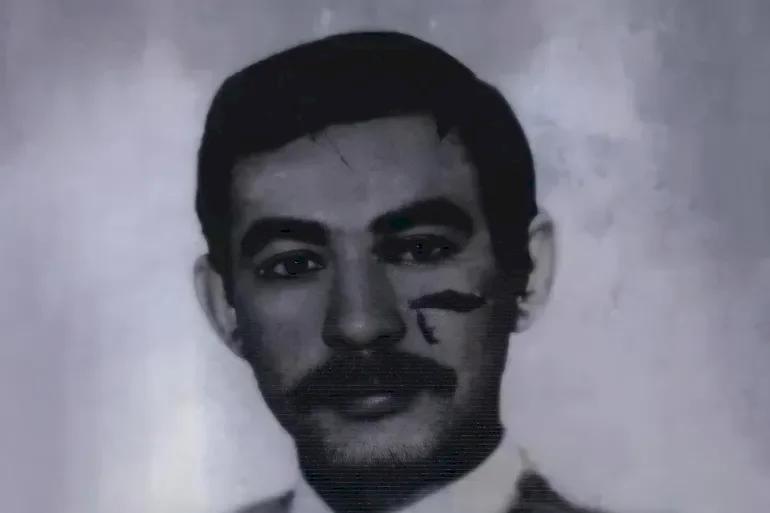
France Arrests Hicham Harb Over 1982 Rue des Rosiers Jewish Restaurant Attack
25 sources compared
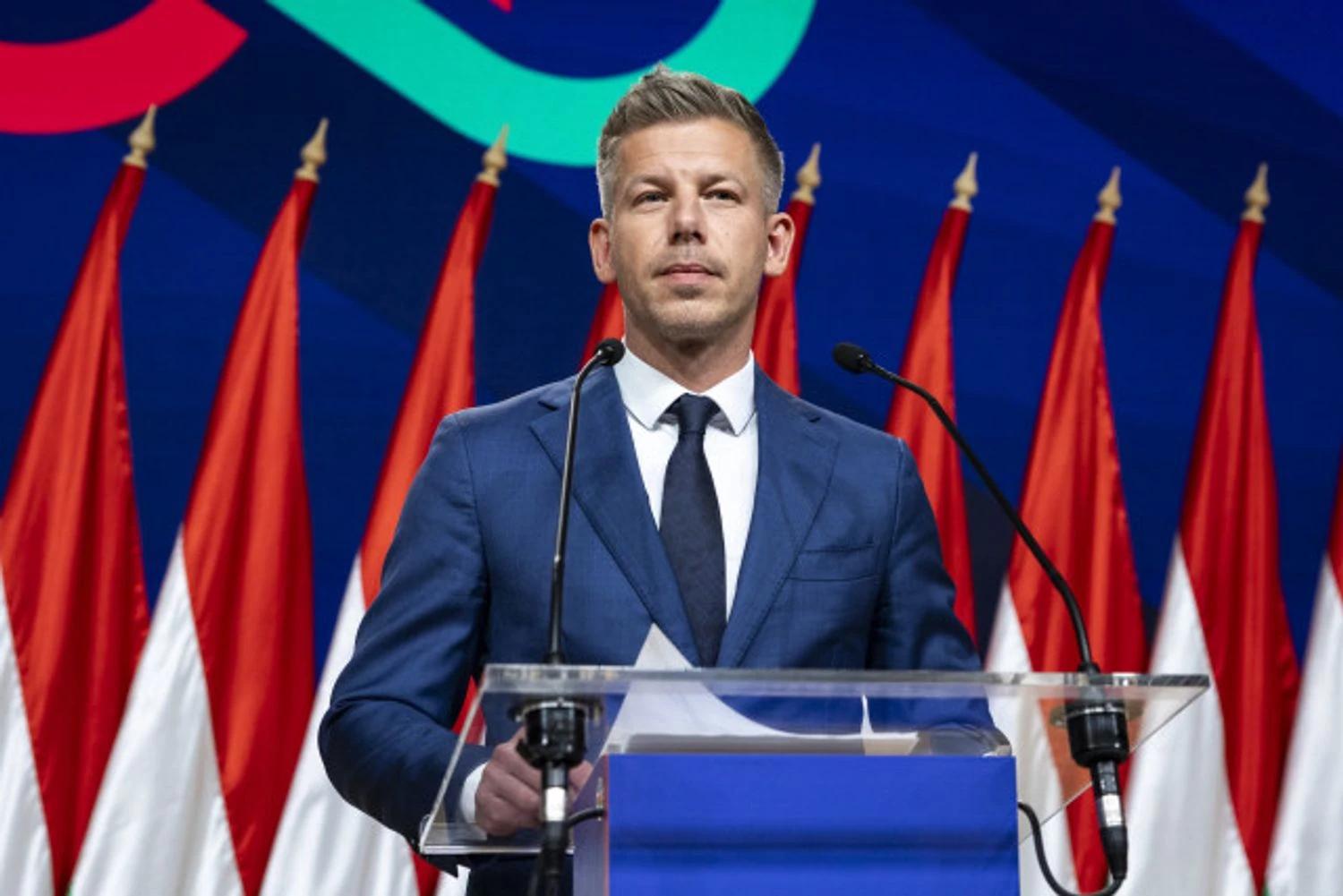
Péter Magyar Faces Energy Crisis Inheriting Heavy Russian Dependence From Orban
11 sources compared

Trump Breaks With Italian PM Meloni Over Iran and Pope Dispute
19 sources compared