
Macron Prepares French Escort Mission to Reopen Strait of Hormuz After U.S.-Israel Offensive on Iran
Key Takeaways
- President Emmanuel Macron prepares an international mission to escort vessels through the Strait of Hormuz.
- Operation will deploy military forces from European and non‑European countries.
- Mission to begin after the 'most intense phase' of the U.S.-Israeli offensive on Iran.
Strait of Hormuz escort mission
French President Emmanuel Macron announced that France and allies are preparing a "purely defensive" international escort mission to protect commercial vessels transiting the Strait of Hormuz.
“French President Emmanuel Macron has said France and its allies are preparing a “purely defensive” mission to escort vessels through the Strait of Hormuz once the “most intense phase” of the US-Israeli war on Iran ends”
Macron said the operation will be launched once the "most intense phase" of the U.S.-Israeli offensive on Iran subsides.

He framed the mission as aimed at gradually reopening the strategic waterway.
Macron said France is coordinating with European and non-European partners to that end.
French naval defensive mission
Both outlets report that the mission is explicitly defensive.
They say it will involve significant French naval reinforcement in the region, including the carrier Charles de Gaulle and multiple frigates and amphibious ships.
Paris said it would contribute assets to EU maritime operations and is coordinating with partners such as India, and France described its deployed posture as "strictly defensive."
Strait disruption and effects
The immediate impetus for the plan is the severe disruption of commercial traffic through the Strait.
“French President Emmanuel Macron has said France and its allies are preparing a “purely defensive” mission to escort vessels through the Strait of Hormuz once the “most intense phase” of the US-Israeli war on Iran ends”
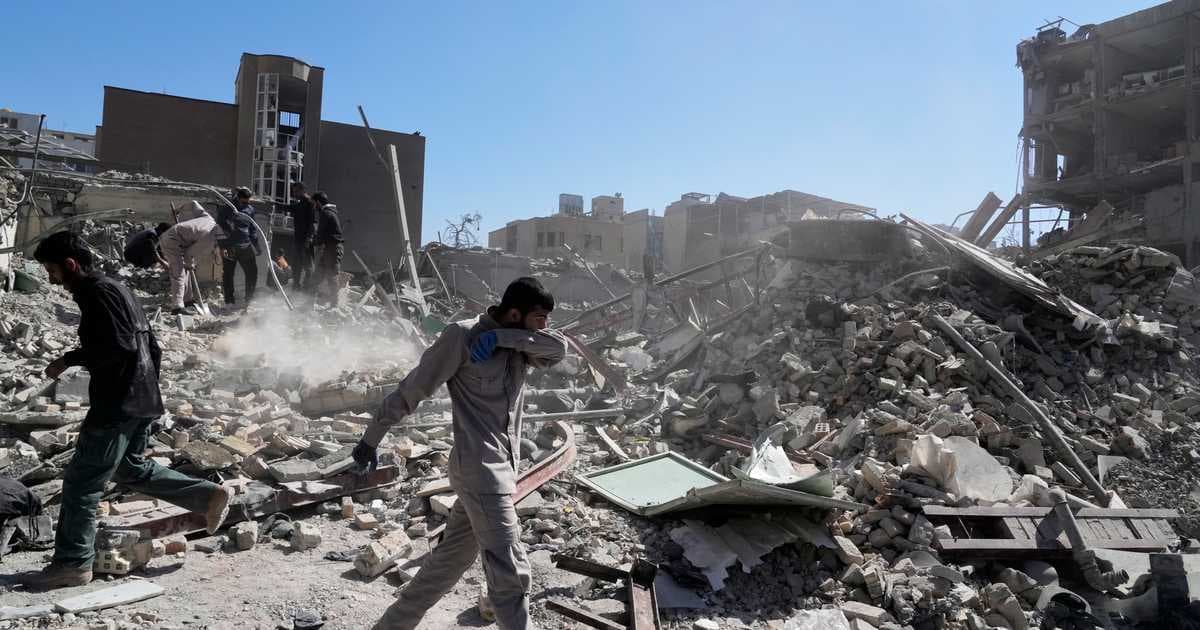
Both sources describe a near-paralysis of transit following a U.S.-Israeli offensive on Iran and subsequent Iranian attacks on tankers and drones, with multiple reported incidents and at least several deaths.
The interruption has sharply driven oil prices upward.
It has forced states to consider alternate energy routes and contingency measures.
Waterway security and reactions
Iran has publicly rejected external efforts to secure the waterway while hostilities continue and warned against foreign intervention.
Senior officials said security is unlikely while the conflict persists and accused some parties of escalating the war.
European states and the U.S. have taken defensive steps, reinforcing Cyprus, sending naval assets, and discussing merchant-ship escorts.
G7 finance ministers met over oil market fallout but made no move to release emergency stocks.
Operation risks and uncertainties
Both outlets signal that France and partners describe the mission as limited and defensive.
“French President Emmanuel Macron has said France and its allies are preparing a “purely defensive” mission to escort vessels through the Strait of Hormuz once the “most intense phase” of the US-Israeli war on Iran ends”
They say the operation is being prepared against the backdrop of elevated risk.
Risks cited include multiple attacks recorded by maritime authorities in a short period, threats from Iran's Revolutionary Guard, and market volatility.
This means the plan's feasibility and Iran's response remain uncertain if fighting continues.
More on Iran-Israel

Escalation in Iran Pushes Oil Near $120, Sparks Gas Price Surge in Los Angeles
10 sources compared
U.S. Intercepts Iran Message Activating Sleeper Cells After U.S.-Israel Strike Kills Khamenei
14 sources compared

Iran Threatens To Confiscate Property Of Iranians Abroad Who Support US And Israel
14 sources compared
Ukraine Sends Drones, Experts to Shield U.S. Bases in Jordan From Iran
16 sources compared