
Madyar Says Ukraine Drones Strike Russian Oil Refineries and Kill Soldiers
Key Takeaways
- Ukraine conducts long-range drone strikes targeting Russian oil infrastructure.
- Kirishi oil refinery in Leningrad Oblast, one of Russia's largest, was struck.
- Outlets describe Kyiv's drone campaign as an escalation of strikes.
Deep strikes reach Russia
Ukraine’s drone commander Robert Brovdi, known as “Madyar,” told the BBC that long-range drone attacks are meant to make Russia feel the war: “We’re like a red rag to the enemy. Because we’re taking the war to their territory so that they feel it too,” he said.
“"We're like a red rag to the enemy”
Brovdi warned that “1,500 to 2,000km (930-1,240 miles) inside Russian territory is no longer the 'peaceful rear',” adding, “The freedom-loving Ukrainian 'bird' flies there whenever and wherever it wants.”

In the BBC’s account, Ukraine has been intensifying deep strikes “for several weeks,” targeting oil export facilities “like never before,” and Brovdi said such attacks will “escalate” while his drone forces “are also holding back Russia's advance along the frontline by killing a record number of soldiers.”
The BBC describes a secret launch site in “eastern Ukraine,” where a team primes long-range drones before Russian forces can detect them and “send ballistic missiles hurtling towards us.”
President Volodymyr Zelensky called deep strikes “very painful” to Moscow, and the BBC says they cause “critical” losses running to “tens of billions of dollars in its energy sector.”
The BBC also frames the drone campaign as a measurable system: Brovdi’s Unmanned Systems Forces make up “just 2% of Ukraine's military” but “account for a third of all targets destroyed,” and “Each strike – of any kind – is filmed for verification and logged.”
Energy targets and escalation
The deep-strike push described by the BBC is echoed in Italian reporting that links Ukraine’s drone and missile campaign to a worsening Russian energy crisis.
Il fuoco ucraino sta aggravando la crisi energetica del Cremlino, citing The Economist, says attacks on Russian oil refineries and fuel distribution infrastructure began “ad agosto” and that the number of attacks has risen from “due o tre alla settimana” to “quattro o cinque,” with “Presto saranno quotidiani.”

The same article says that in the “ultima settimana circa” Ukraine “ha gravemente danneggiato un grande terminal di esportazione di petrolio a Novorossiysk sul Mar Nero,” a refinery complex in “Bashkortostan (a oltre 1.300 km dall’Ucraina)” and a pumping station in “Chuvashia, a 1.000 km di distanza.”
It adds that on “il 1° ottobre” an important refinery in “Yaroslavl” was hit, while “i russi sostengono che si sia trattato di un incidente “tecnico” e non di un attacco con droni.”
The Il Sole 24 ORE report similarly describes a specific Ukrainian strike on the “Kirishi oil refinery” in Russia’s “Leningrad region,” saying the attack was confirmed by Robert Brovdi on Telegram and that the drone penetrated “about 20 kilometers into Romanian airspace, in Tulcea County near the border with Ukraine.”
In that account, the Kirishi refinery is “more than 800 km from the Ukrainian border” and produces “20 million tons” annually, while the governor Alexander Drozdenko said “three drones were shot down over the city of Kirishi” and that debris caused a fire that was “quickly extinguished and that there were no casualties.”
RaiNews adds another operational detail, saying the Kirishi refinery was struck “overnight” by Ukrainian Special Forces “in collaboration with unmanned systems forces,” and that the refinery has a capacity “about 20 million metric tons per year,” producing “355,000 barrels per day.”
Commanders, casualties, and intent
Beyond the energy focus, the BBC interview and a separate report attributed to UNN present Brovdi’s stated aims for how drone forces fight and what they target.
“The Ukrainian army struck the Kirishi oil refinery, one of Russia's largest refineries, in Leningrad Oblast, with drones overnight”
The BBC says Brovdi justifies strikes by arguing that Russia turns resources into war, quoting him: “Putin extracts natural resources and converts them into blood dollars that they then direct against us in the form of Shahed drones and ballistic missiles.”
He also tells the BBC that if refineries are used to make money for war, they are legitimate targets, saying, “If oil refineries are a tool to make money that's used for war, then they are a legitimate military target, subject to destruction.”
The BBC further reports that in “the past week” Brovdi said his forces hit “a dozen Russian FSB security service officers in occupied territory” and “multiple energy facilities in Russia itself,” while he argued the campaign denies Putin “any headline victories” and targets Russia’s aim to seize “the rest of the eastern Donbas region within months.”
In the UNN-attributed account, Brovdi says Ukraine will intensify long-range strikes “in the near future,” with main targets “oil infrastructure, Russian army personnel, and the morale of Russian society,” and he repeats the “peaceful rear” line: “At a depth of 1,500–2,000 kilometers within Russian territory, there is no longer a 'peaceful rear.'”
UNN’s version adds a specific targeting plan, stating Brovdi “explicitly stated that units must destroy more occupiers each month than Russia manages to mobilize” and that “30% of all drone strikes should target military personnel.”
It also claims Brovdi said Ukraine has maintained that figure “for four consecutive months,” and describes his psychological objective as creating “a certain fermentation within Russia.”
Reactions and strategic debate
The reporting also includes reactions from officials and analysts, and it frames the drone campaign as a strategic contest over what Russia can stop and what Ukraine can sustain.
The BBC quotes Brovdi dismissing Russia’s expectations for stopping the campaign, asking “What is he smoking?” and calling Russia’s aim “absurd,” saying, “That's not realistic. It's absurd.”
The BBC also includes Zelensky’s characterization of the strikes as “very painful” and says the losses are “critical” and run to “tens of billions of dollars in its energy sector,” while residents in “Tuapse on Russia's Black Sea coast” complain of “toxic rain” after a second wave of major strikes on a local refinery in several days.
In the Economist-based Italian report, Sir Lawrence Freedman is quoted saying, “Gli ucraini sono inarrestabili,” and that “I russi hanno un problema. Non possono fermare tutto questo e gli ucraini non hanno motivo di rallentare”.
The same Italian report attributes to Sergey Vakulenko of the Carnegie Russia Eurasia Centre a caution that figures are “dinamiche” because most plants can be repaired, while Benedict George of Argus Media says the damage becomes permanent when refineries are hit repeatedly.
It also states that Reuters reported “circa il 17% della capacità di raffinazione del petrolio della Russia” was at least temporarily out of use by late August, and that the number is “sicuramente più alta,” with some unconfirmed reports suggesting up to “40%.”
The Il Sole 24 ORE report adds a political reaction from Kallas, describing the drone escalation as “reckless escalation of drones,” and it ties the Kirishi strike to units of the Drone Forces “(14th Regiment) and the Special Operations Forces.”
Divergent reporting on impacts
While the sources converge on the idea that Ukraine is striking Russian energy infrastructure with drones, they diverge on how much damage is being done and how it is being measured.
“April 27, 2026 at 10:36 AM• 8972 переглядiв Ukraine will intensify long-range strikes on Russian territory in the near future, with the main targets remaining oil infrastructure, Russian army personnel, and the morale of Russian society”
The BBC emphasizes the operational and tactical scale of drone forces, saying Brovdi’s unit makes up “just 2% of Ukraine's military” but “account for a third of all targets destroyed,” and it reports that “in the past week” Brovdi claimed hitting “a dozen Russian FSB security service officers” and “multiple energy facilities.”
The Economist-based Italian report, by contrast, quantifies refinery disruption, saying Reuters reported “circa il 17%” of Russia’s refining capacity was temporarily out of use and that “questa cifra ora è sicuramente più alta,” with “alcune notizie non confermate” suggesting “fino al 40%” and “circa il 20% fuori uso in qualsiasi momento.”
It also ties the disruption to downstream effects, saying “George afferma che le esportazioni di diesel sono inferiori del 30% rispetto a un anno fa” and that diesel exports are “ai minimi dal 2020,” while it describes “lunghe code, di un chilometro e più” for fuel from “Vladivostok” to “Volga vicino a Mosca” and mentions rationing in Crimea with motorists limited to “30 litri di carburante.”
RaiNews and Il Sole 24 ORE focus on a single refinery attack at Kirishi, reporting that three drones were shot down and that debris caused a fire that was extinguished with “no one was injured,” while RaiNews says the refinery supplies a “significant share” of Russia’s oil needs and that the attack follows “weeks of Ukrainian attacks” that have contributed to “gasoline shortages in the country in recent weeks.”
The BBC also includes a different kind of impact claim, describing “toxic rain” complaints in Tuapse after strikes on a local refinery, while the Italian report discusses market volatility and “estremamente agitati” product markets.
Even within the same event, the sources differ on what is being targeted and how: the BBC highlights oil export facilities and energy sector losses, while Il Sole 24 ORE adds that Ukraine also conducted an operation to block the “Oryol–Kursk route” rail link and reports that “two “Russian guards” were eliminated and another’s legs were amputated,” and it separately says a Ukrainian Navy attack hit a communications center in Sevastopol.
More on Ukraine War
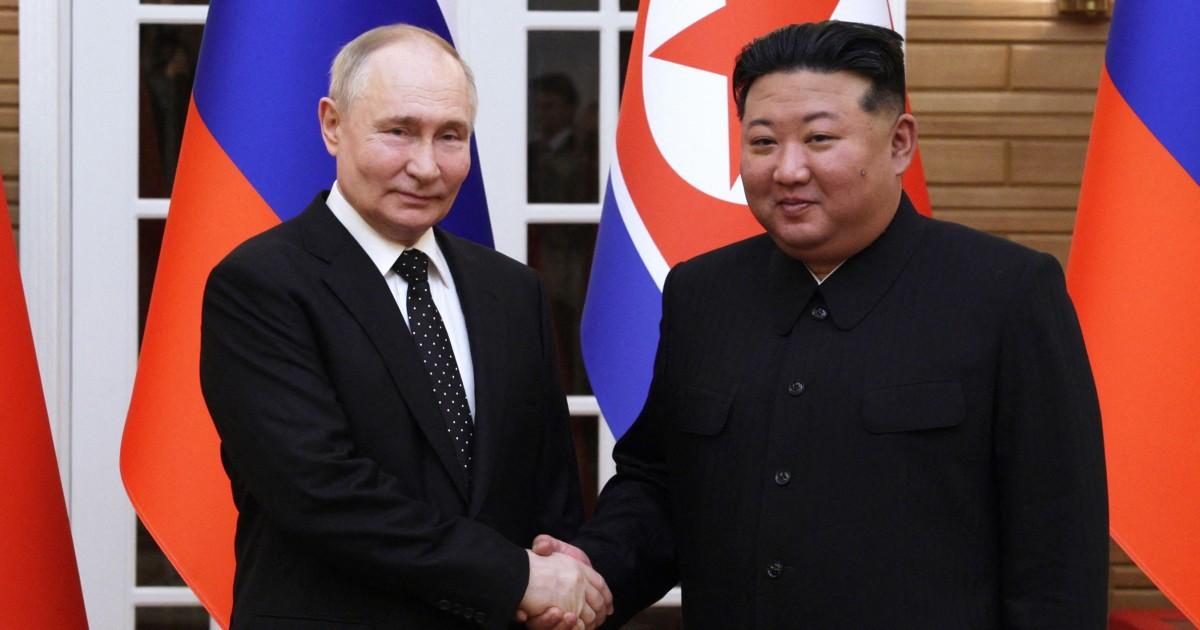
Kim Jong Un Opens Memorial Museum in Pyongyang for North Koreans Killed Fighting in Ukraine
12 sources compared
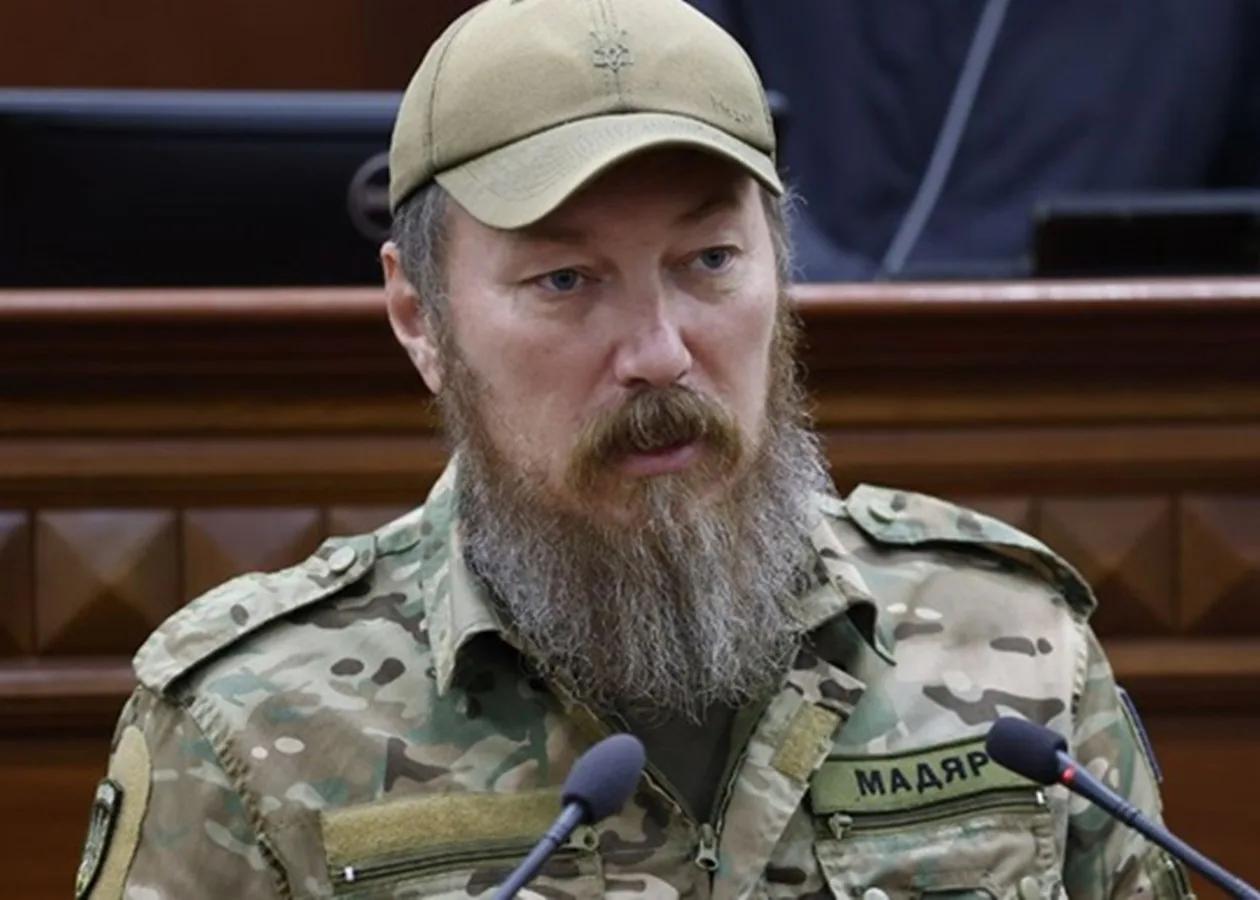
Ukraine’s Robert Brovdi Warns Long-Range Drones Turn Russia’s Peaceful Rear Into Battlefield
18 sources compared

Donald Trump Jabs Prince Harry Over Ukraine Remarks, Tells Him ‘Give Meghan My Regards’
43 sources compared

Zelensky Calls US Envoys Steve Witkoff and Jared Kushner’s Kyiv Skip Disrespectful
18 sources compared