
Mali Holds Funeral for Gen. Sadio Camara After Militant Assault Kills Junta Figure
Key Takeaways
- Gen. Sadio Camara, Mali's defense minister, was killed in militant assaults.
- Coordinated rebel and jihadist attacks targeted bases, driving territorial advances in northern Mali.
- Russia-backed forces pledged to stay in Mali despite separatist withdrawal demands.
Assassination and Funeral
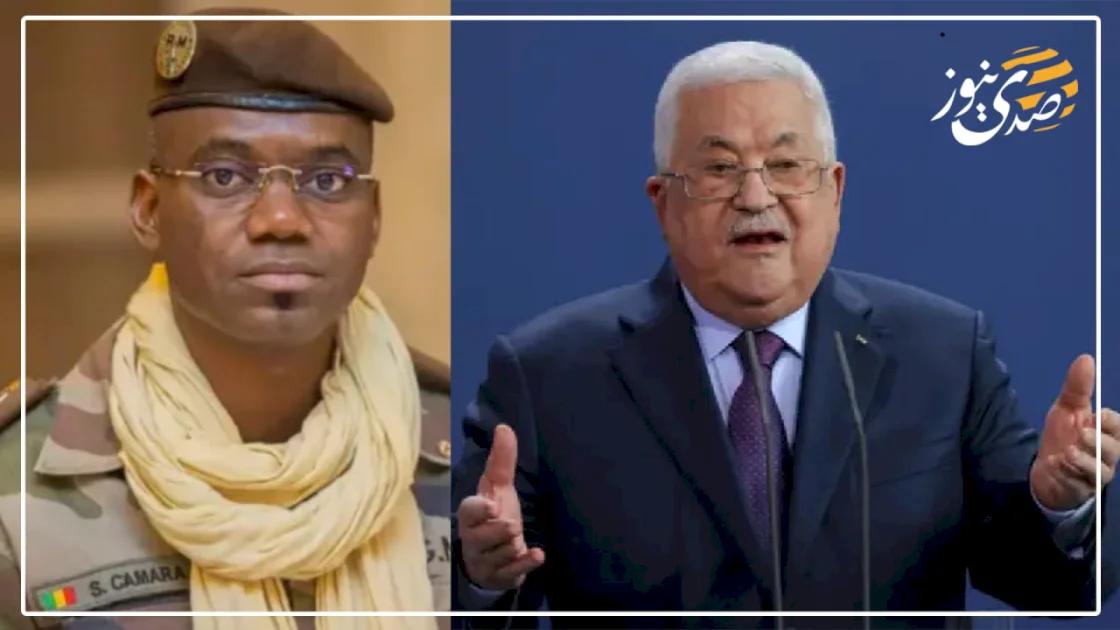
Mali held a funeral for Gen. Sadio Camara, a key junta figure killed during last weekend’s militant assaults, in a ceremony broadcast on state television, according to Associated Press.
“At the dawn of the 2020s, Moscow dreamed of a triumphant return on the African continent”
The U.S. News & World Report account of the funeral says Camara was buried on Thursday after “two days of national mourning,” and that the ceremony was attended by junta leader Camara was born in 1979 in Kati, the same garrison town near the capital Bamako where he was killed when a car bomb exploded outside his home on Saturday.
The Associated Press report also states that as a field officer Camara was deployed to northern Mali in the late 2000s amid a rise in rebellions by armed groups “some linked to Al-Qaeda,” and that after graduating from a military academy he went abroad on training assignments including “at a military academy in Russia.”
It adds that Malians first became familiar with Camara in August 2020 when, as a colonel, he appeared on national television among a group of five officers who accused Keita of being propped up by France and not doing enough to contain militant attacks.
The funeral coverage places Camara’s death as a major setback for the Malian army and the junta’s direction, and it links his role to the country’s shift toward Russia as its security partner after the coup.
In the same Associated Press account, Ulf Laessing, head of the Sahel program at the Germany-based Konrad Adenauer Foundation, says Camara was the “architect of cooperation with Russia,” proposing the deployment of Russian mercenaries in 2021 and the expulsion of the U.N. peacekeeping mission, known as MINUSMA.
Attacks, Kidal, and Russia’s Role
The funeral unfolded against a backdrop of coordinated attacks that, multiple outlets say, reached across Mali and forced Russian-backed forces to withdraw from Kidal.
Al Jazeera describes how days after armed groups launched large-scale attacks on Malian Armed Forces’ bases, military ruler Assimi Goita said the situation was “under control,” while Russian security forces provided air support to prevent rebels from capturing key positions including the presidential palace in the capital Bamako.
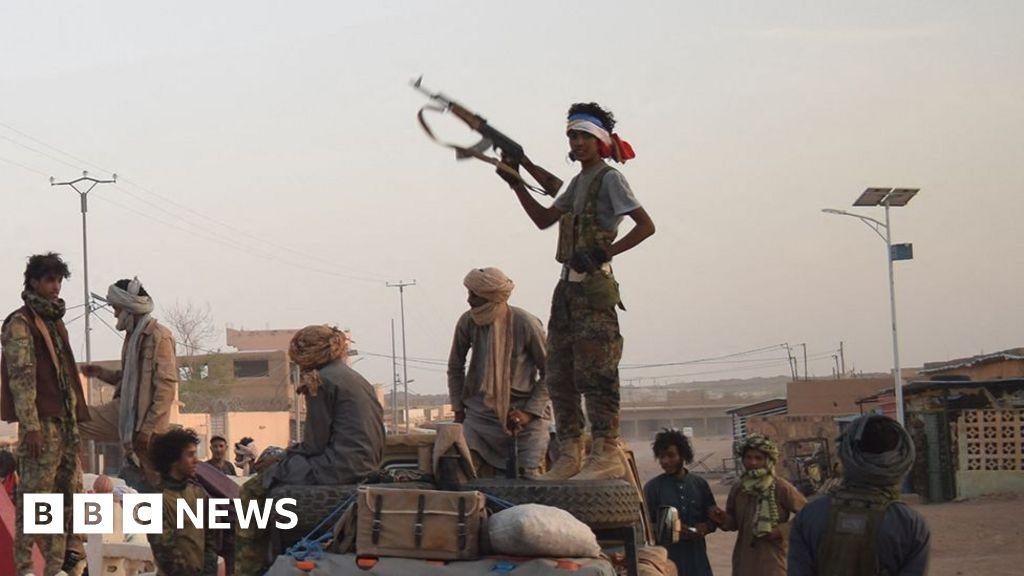
It then says the security situation remained volatile as the government struggled to retake towns and cities from Tuareg and al-Qaeda-linked fighters, who pledged to launch a total siege of Mali’s capital.
Al Jazeera states that Saturday’s offensive stunned the region and that Mali’s Defence Minister Sadio Camara was killed while “several cities, including the northern city of Kidal, were seized by the fighters.”
It adds that Africa Corps confirmed on Monday that its forces had withdrawn from Kidal, and that the decision was made jointly with the Malian government, while conflict analysts and Malians on social media questioned the strength of Russian defence support.
RFI reports that Russia rejected separatists’ demands to withdraw after surprise attacks forced Russian troops out of Kidal, and it includes a Kremlin spokesperson quote: “Russia is present there in connection with the necessity declared by the authorities,” Dmitry Peskov told reporters on Thursday.
Competing Narratives and Quotes
As Mali’s leaders tried to project stability after the shock of the offensive, outlets captured sharply different narratives about what Russia did and what it failed to do.
“What next for Mali's military leaders after shock of rebel offensive”
BBC reports that it is “hard to overstate the sense of shock” after attackers entered Bamako, assassinated the defence minister, and seized control of northern areas, and it says residents in different cities woke to “gunfire and explosions on Saturday.”
It adds that the scale of the offensive and the withdrawal of Malian and Russian forces from Kidal have “fuelled doubts” about the military government led by Col Assimi Goïta, and it notes that Goïta took several days to make an appearance.
BBC quotes Goïta’s televised address to the nation, where he said the situation was under control and vowed to “neutralise” those responsible for the attacks.
In Modern Ghana, analysts and officials describe the episode as exposing cracks in the Russia partnership, with Egmont Royal Institute director Nina Wilen saying, “The images of Russians being escorted out of Kidal after negotiations will surely taint the image of the group as a reliable security partner.”
Meanwhile, Russia’s position is presented through statements and counterclaims, including the Kremlin’s “Russia will always be by Mali's side” and Africa Corps fighters’ claim that their “original task was to train and support the Malian army, not to fight instead of it.”
How Outlets Frame the Same Shock
Different outlets portray the same sequence—coordinated attacks, the killing of Sadio Camara, and the withdrawal from Kidal—through distinct emphases that shape how readers understand the Russia partnership.
The Washington Post frames the weekend offensive as evidence of “failure of Russia partnership,” saying militants “killed the defense minister, who had been Russia’s chief backer within the government, and forced mercenaries to retreat,” and it warns that Mali is “teetering on the edge of collapse” despite assurances from President Assimi Goïta that he is still in control.
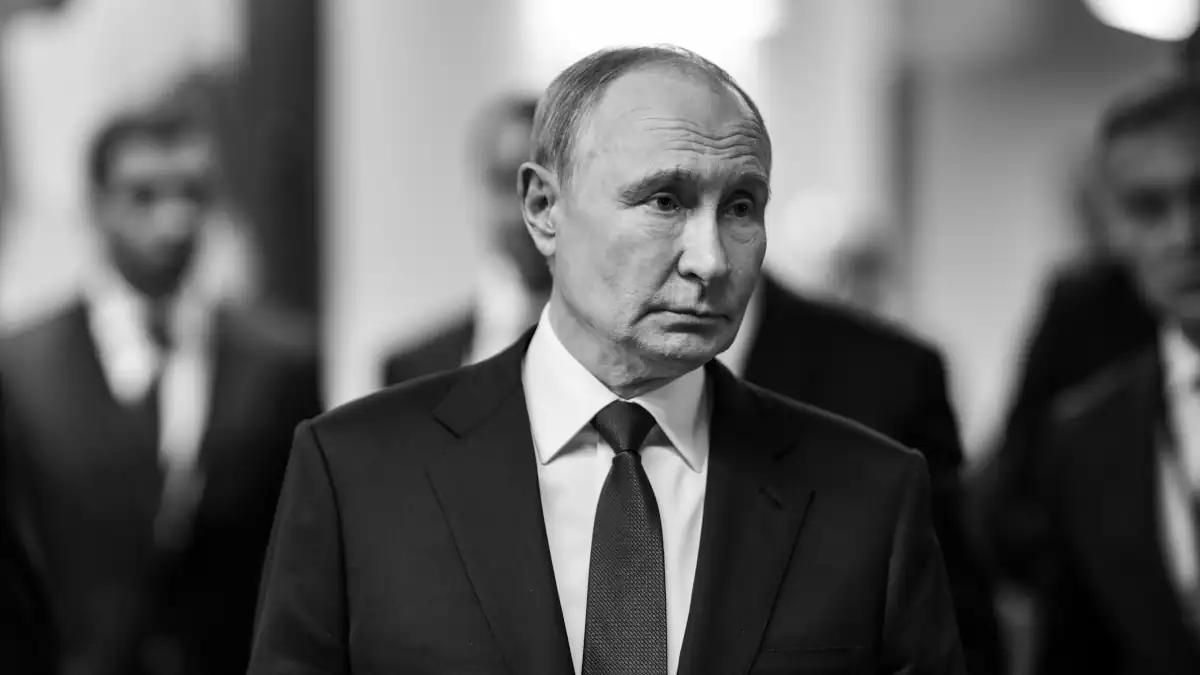
It quotes an anonymous Bamako official saying, “No one knows what is going on. It might sound melodramatic, but it’s not clear what government we still have here.”
BBC, by contrast, emphasizes the immediate political uncertainty and the question of what happens next for Mali’s military leaders, describing “Scenario 1: Junta stays in power and fights back” and quoting Beverly Ochieng that the coming days could be critical and that success or otherwise will “determine the longevity of the junta.”
Al Jazeera focuses on the operational picture and the siege threat, reporting that armed groups pledged to launch a total siege of Mali’s capital and that Russia’s air support was meant to prevent rebels from capturing key positions including the presidential palace in Bamako.
RFI centers Russia’s official response, stating that Russia vowed to keep forces in Mali despite warnings from Tuareg separatists to withdraw, and it includes Dmitry Peskov’s denial that Russian forces were planning to leave.
Stakes and Next Steps
The stakes after Camara’s death and the Kidal withdrawal are presented as immediate and potentially regional, with multiple outlets describing what could come next for Mali’s junta and its security partnerships.
“In the span of a few years, three Russia-aligned allies suffered major setbacks without Moscow intervening militarily: the overthrow of the Bashar al-Assad regime in Syria in late 2024, the capture of Nicolás Maduro in Venezuela in January 2026, the assassination of Supreme Leader Ali Khamenei in American-Israeli strikes on February 28, 2026, and the withdrawal of the Russian Afrika Korps from Kidal in Mali, confirmed on April 27”
BBC says the coming days could be “critical” as the army launches a counter-offensive against JNIM and the FLA, and it quotes Beverly Ochieng that the outcome will “determine the longevity of the junta.”
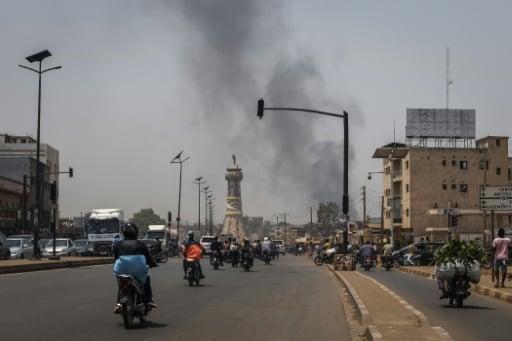
It also reports that three days after the offensive Col Goïta made a televised address saying the situation was under control and vowing to “neutralise” those responsible, while the presidency’s social media accounts posted photos of Goïta meeting Russia’s ambassador to Mali, Igor Gromyko.
Al Jazeera adds that the government has struggled to take back control of towns and cities from Tuareg and al-Qaeda-linked fighters and that those groups pledged to launch a total siege of Mali’s capital, keeping pressure on Bamako’s leadership.
The Washington Post similarly warns that if the junta survives, authorities probably will try to “reestablish their image” by escalating the fight, potentially bringing in more Russian fighters, and it adds that if the regime doesn’t survive, “it could be all hell breaking loose.”
RFI includes a separatist warning that the FLA spokesperson said it wanted Russia to “withdraw permanently” from all its positions in Mali, and it reports the rebels’ intent to take control of other strongholds including Gao and Timbuktu.
More on Africa

Anant Ambani Offers to Relocate 80 Pablo Escobar ‘Cocaine Hippos’ to India
15 sources compared
Israeli Attacks Continue in Lebanon as Joseph Aoun Condemns Violations Despite Ceasefire
20 sources compared

Assimi Goïta Says Mali Situation Is Under Control After Jihadist Attacks
16 sources compared
Islamist Militants And Separatists Launch Coordinated Attacks Across Mali, Killing Defense Minister
21 sources compared