
Manchester United Advances Plan to Renovate Old Trafford into 100,000-seat Stadium for Major International Events
Key Takeaways
- 100,000-seat Old Trafford stadium to host the 2035 Women's World Cup final.
- Funding not from taxpayers; potential partial club funding.
- Plans unveiled March 2025, aiming for a five-year build.
Project Overview
Manchester United has unveiled ambitious plans to completely renovate their historic Old Trafford stadium.
“- Published Manchester United are still aiming to have their new stadium built and ready to host the 2035 Women's World Cup final”
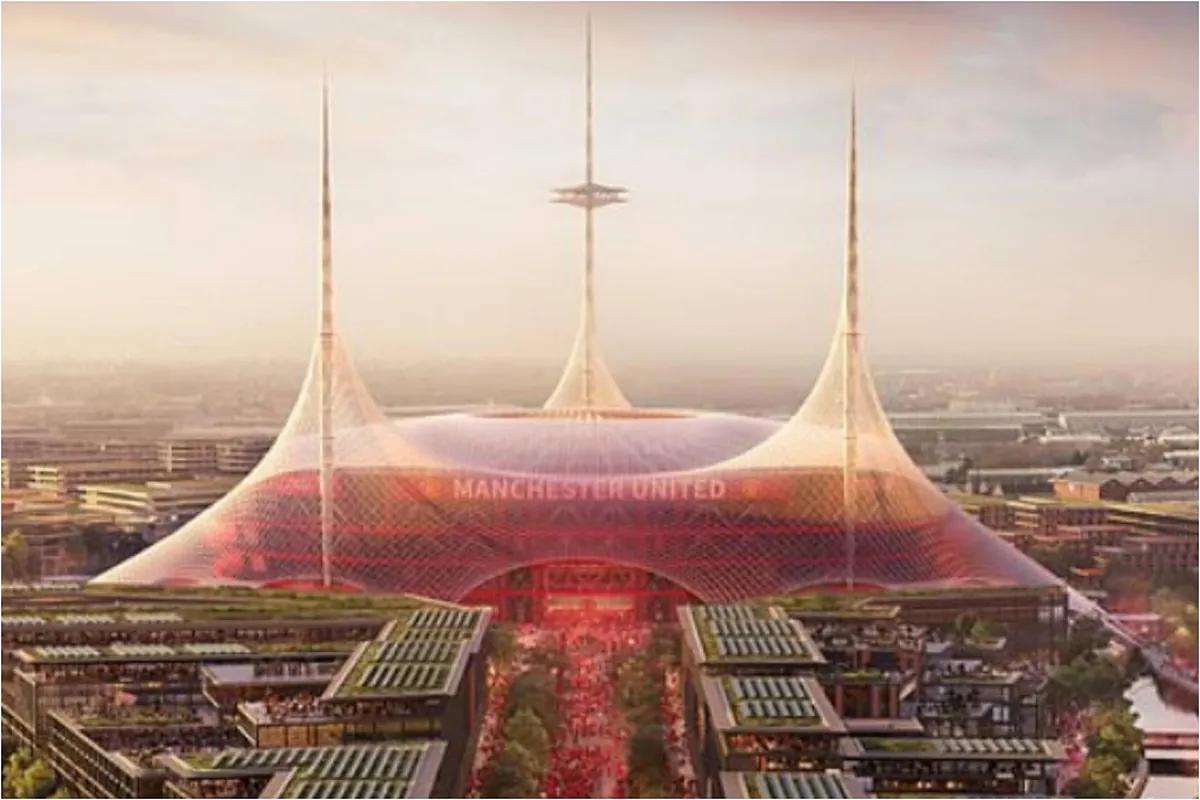
The project aims to create a 100,000-seat venue capable of hosting major international sporting events.
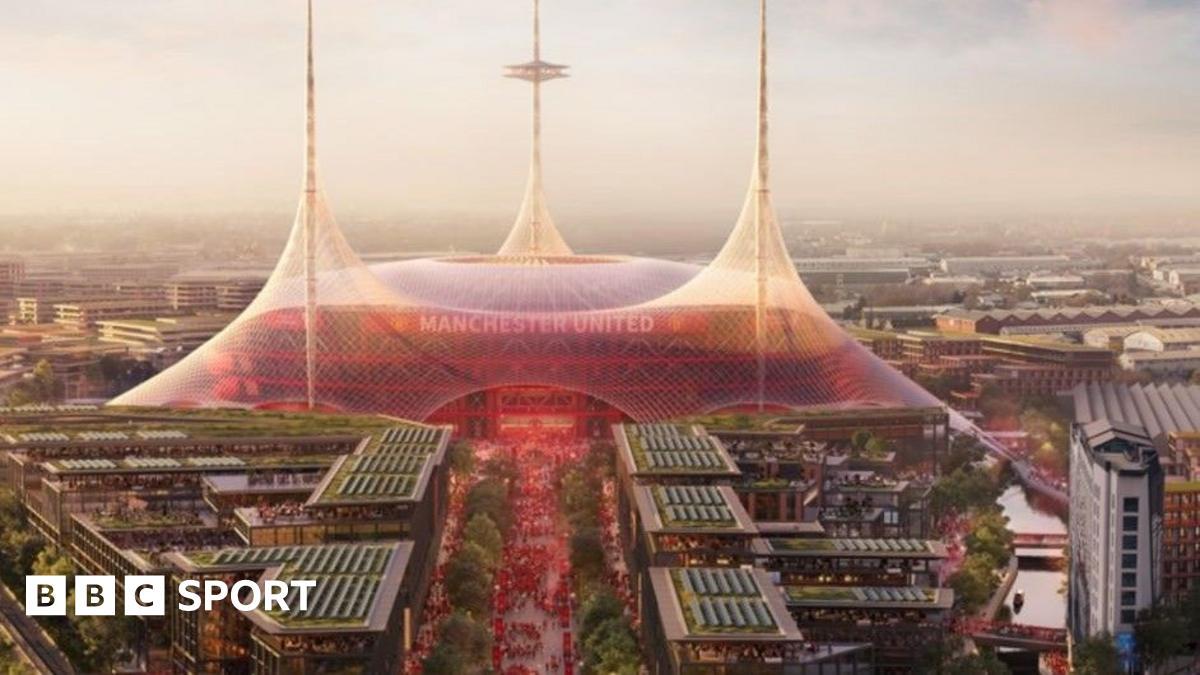
The target includes potentially hosting the 2035 Women's World Cup final.
The project will cost approximately £2billion ($2.68bn) according to club sources.
The vision aligns with Greater Manchester Mayor Andy Burnham's city development plans.
Current stadium capacity is 74,000 seats, opened in 1910.
Timeline Challenges
The timeline for the redevelopment has faced scrutiny as progress has been slower than anticipated.
Sir Jim Ratcliffe initially suggested a five-year construction timeline.
CEO Collette Roche clarified that the five-year timeframe refers only to construction, not planning.
An additional one to two years is needed for land acquisition and planning permission.
The club aims to submit a planning application within 12 to 18 months.
Challenges remain in securing land, particularly negotiations with Freightliner.
Financial Strategy
Financial considerations represent a significant hurdle for the redevelopment.
“Manchester United's new stadium will not be funded by taxpayers, the club have confirmed”
The club confirmed the project will be privately funded, not using taxpayers' money.
This contradicts initial suggestions from Sir Jim Ratcliffe about public funding.
Mayor Andy Burnham rejected any public funding for the stadium itself.
Current debt stands at nearly £1.3billion.
The project could push total debt to around £3.3billion.
The club has 'positive conversations' with potential investors.
Naming rights could generate up to £200million.
Historical Significance
Old Trafford's historical significance provides both inspiration and challenge.
Known as 'The Theatre of Dreams,' it has hosted legendary players.
The stadium has endured historical challenges including wartime damage.
Current 74,000-seat capacity makes it the largest club soccer stadium in the UK.
Features distinctive cantilevered roof and iconic red stands.
Recent renovations blend historical charm with contemporary facilities.
The new vision aims to preserve emotional essence while expanding capacity.
Broader Vision
The redevelopment is part of a broader Old Trafford Regeneration initiative.
The new stadium is the centrepiece of a wider development plan.
This includes the Mayoral Development Corporation chaired by Lord Coe.
The comprehensive approach aims to align various stakeholders.
Much of the work remains behind the scenes unnoticed by fans.
The club's vision extends beyond football to other sporting events.
The goal is to position Old Trafford as a multi-purpose destination.
This could enhance Manchester's status as a global sporting city.
More on Sports
Drone Activity Disrupts AWS Bahrain Operations Amid Middle East Tensions
26 sources compared

Iran Threatens Worldwide Attacks on Tourist Sites
11 sources compared

Online Racists Target Liverpool's Ibrahima Konate After Osimhen's Injury
13 sources compared

Head coach Benjy Taylor sues Morehouse and campus officers over on-court handcuffing
11 sources compared