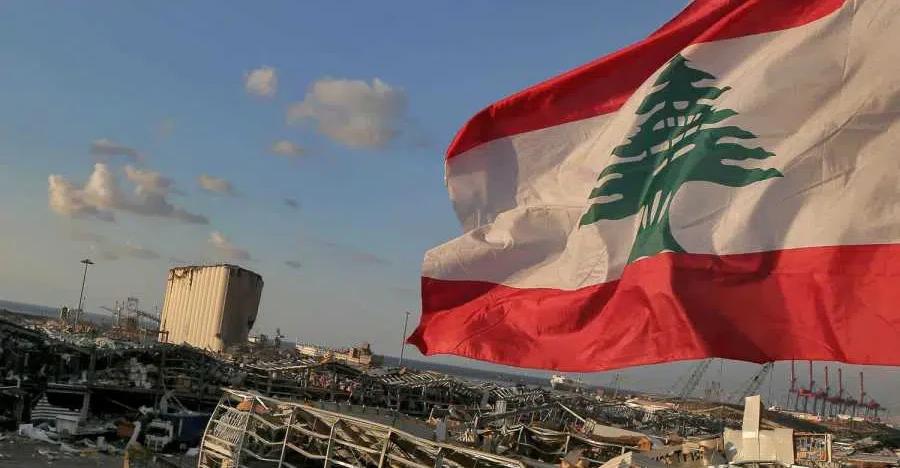
Marco Rubio Mediates Lebanon And Israel Talks In Washington To Launch Direct Negotiations
Key Takeaways
- Lebanon and Israel held direct talks in Washington, first since 1993.
- U.S.-brokered talks mediated by Secretary of State Marco Rubio.
- Ambassadors from Lebanon and Israel led the discussions in Washington.
Direct talks in Washington
Lebanon and Israel held their first direct diplomatic talks in decades in Washington, with U.S. Secretary of State Marco Rubio mediating the meeting at the U.S. State Department headquarters.
The AP reported that the talks took place on Tuesday and ended after a two-hour session, with the State Department praising “productive discussions on steps toward launching direct negotiations between Israel and Lebanon.”

The State Department also said “any agreement to cease hostilities must be reached between the two governments, brokered by the United States, and not through any separate track,” according to the AP.
The Washington Post described the encounter as “a rare face-to-face encounter as their host, Secretary of State Marco Rubio, sought to make peace between the two states,” and said it lasted more than two hours.
France 24 similarly said the two countries agreed to launch direct negotiations after wrapping up talks in Washington on Tuesday, describing Rubio’s characterization of the meeting as “historic opportunity” for peace.
Multiple outlets tied the meeting to the U.S. role and to the question of what would happen next, with the BBC stating that the two sides agreed to launch direct negotiations “at a time and place to be determined.”
The BBC also noted that Hezbollah opposed the direct talks and was not represented, while drone and rocket alarms sounded in communities across northern Israel during the meeting.
Ceasefire first, sovereignty later
Lebanon’s position in the run-up to and during the Washington talks centered on making a ceasefire the starting point for any direct negotiations, with Lebanese leaders repeatedly linking diplomacy to withdrawal and state authority.
Shafaq News reported that Lebanese President Joseph Aoun said “a ceasefire is the starting point for any direct negotiations with Israel,” and added that such talks are handled “exclusively by state authorities.”

In the same report, Aoun said Israel’s withdrawal from Lebanese territory is “an essential step to secure the ceasefire and extend state authority across the country.”
Shafaq News also said Aoun received a phone call from U.S. Secretary of State Marco Rubio, in which Rubio thanked Washington for its “efforts to reach a ceasefire,” and affirmed continued efforts to secure a truce as a step toward “peace, security, and stability in Lebanon.”
Palestine Chronicle described a phone call on Thursday between Nabih Berri and Iranian Parliament Speaker Mohammad Bagher Ghalibaf, emphasizing “need to prioritize a ceasefire in Lebanon before any other matter,” as carried by Al Mayadeen.
Reuters and AFP were cited by Palestine Chronicle through a Lebanese official source saying Beirut is “not aware” of any planned communication with Israeli leadership, with the source telling AFP, “We are not aware of any planned contact with the Israeli side, and we have not been informed of any through official channels.”
PressTV said Nabih Berri rejected direct negotiations with Israel, arguing that the delegation “went to the United States to bring peace, but they came back carrying the tools of war against Hezbollah,” and warned that rushing into bilateral talks without strong leverage would “significantly weaken Lebanon’s position.”
Hezbollah rejects, officials clash
Hezbollah’s stance against the talks and the Lebanese government’s hopes for an end to the Israel-Hezbollah conflict set up a sharp internal and external confrontation over what the Washington meeting could achieve.
The AP reported that Hezbollah opposed the direct talks and was not represented, while Wafiq Safa, described as a high-ranking member of the militant group’s political council, told the AP that “the group will not abide by any agreements made during the talks.”
The BBC likewise quoted Wafiq Safa saying, “We are not bound by what they agreed to,” and described Hezbollah’s influence in Beirut’s southern suburbs and in Lebanon’s predominantly Shia south.
NPR carried Hezbollah leader Naim Qassem’s televised rejection, quoting him: “These negotiations are futile,” and adding, “No one has the right to take Lebanon down this path without internal consensus among its components — and this has not happened.”
In PressTV, Nabih Berri denounced the Lebanese government’s direct talks with Israel, saying he was “deeply astonished” that the delegation returned with measures that “fuel aggression against the Hezbollah resistance movement,” and warning that the actions of the Lebanese president and prime minister were “targeting Hezbollah and dragging Lebanon into dangerous direct talks with the occupying regime.”
Palestine Chronicle framed the dispute as a question of ceasefire priority, stating that Lebanese Parliament Speaker Nabih Berri and Iranian Parliament Speaker Mohammad Bagher Ghalibaf stressed “ceasefire in Lebanon must take priority over any political process.”
Al Jazeera reported that Hezbollah urged the Lebanese government to pull out of the talks, calling the efforts “futile,” and said Hezbollah leader Qassem Naim told the group’s position that the talks were “a ploy to pressure the armed group” into laying down its weapons.
Numbers, casualties, displacement
The Washington talks unfolded against a backdrop of heavy casualties and mass displacement, with different outlets citing overlapping but not identical figures for deaths and injuries in Lebanon.
The AP said “At least 2,124 people have been killed in Israeli strikes in Lebanon, the Health Ministry said, including hundreds of women and children,” and added that “More than 1 million people are displaced.”
Al Jazeera stated that “Israel has intensified its attacks on Lebanon, killing at least 2,080 people,” and said the Israeli military offensive had displaced “more than 1.2 million.”
BBC coverage said “Over 2,000 people have been killed since Israeli military operations in Lebanon began on 2 March,” and described the fighting as aimed at ending Hezbollah’s influence.
NPR said “more than 2,100 people have been killed by Israeli strikes, according to Lebanese health officials,” and also said “The assault displaced more than 1 million people in Lebanon.”
France 24 reported that the conflict had “killed more than 2,000 people and displaced over a million,” and described Hezbollah’s rockets into northern Israel as part of the escalation.
The AP also said “The deadliest day of the war took place last week, when Israel launched 100 airstrikes across Lebanon in 10 minutes, including in the heart of the capital, killing over 350 people.”
What happens next, and why it matters
The sources portray the Washington meeting as a framework-setting step rather than an immediate end to hostilities, with multiple outlets describing how the talks were expected to shape future negotiations while fighting continued.
The BBC said the U.S. statement after the talks indicated both sides agreed to work towards reducing the influence of Hezbollah, and it quoted the U.S. spokesman Tommy Pigott saying the Lebanese side called for a “ceasefire and concrete measures to address and alleviate the severe humanitarian crisis.”
NPR said Rubio would “outline the framework upon which a permanent and lasting peace can be developed,” and it added that “No major breakthrough was expected to result from the meeting.”
France 24 reported that the State Department spokesperson said discussions were “productive,” adding: “All sides agreed to launch direct negotiations at a mutually agreed time and venue.”
Al Jazeera’s explainer said the talks were “open, direct, high-level” and that the path to a breakthrough appeared narrow because Hezbollah urged Lebanon to pull out, calling the efforts “futile.”
Defense News said Israeli officials were not expected to agree to a ceasefire during the meeting and that the talks were likely to focus on establishing a framework and timeline for future negotiations.
The stakes were also framed in terms of humanitarian crisis and territorial sovereignty, with the Lebanese Ambassador Nada Hamadeh Moawad calling for “the full sovereignty of the state over all Lebanese land,” and the AP saying her remarks included “concrete measures to address and alleviate the severe humanitarian crisis.”
More on Lebanon

Trump Announces 10-Day Israel-Lebanon Ceasefire After Talks With Netanyahu And Joseph Aoun
17 sources compared
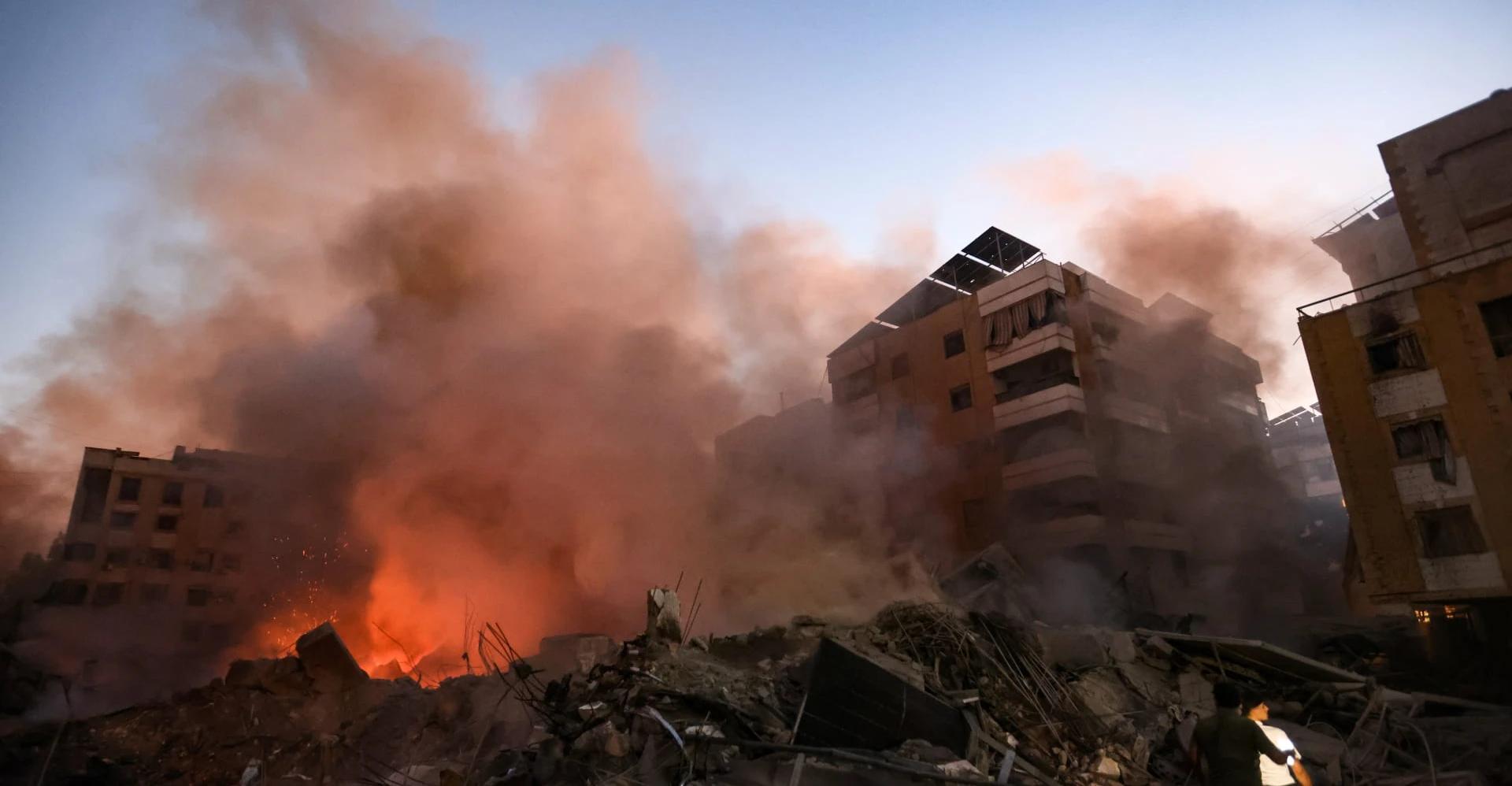
Israeli Artillery Shelling Continues in Southern Lebanon After Israel-Hezbollah Ceasefire Takes Effect
10 sources compared
Israel And Hezbollah Begin 10-Day Cease-Fire As Trump Brokers Truce In Lebanon
15 sources compared
Israel And Lebanon Ceasefire Begins After Israel Shelling Violations, Lebanese Army Says
32 sources compared