USA07 May, 20262 min read
Marco Rubio Says Cuba Is A National Security Threat, Warns Trump Can Act
This article is an automated aggregation of coverage from news outlets. Our editorials offer in-depth analysis curated by the NewsCord team.
Rubio labels Cuba a national security threat to the US, signaling possible US action. US tightens sanctions on Cuba, targeting Cuban elites and GAESA.
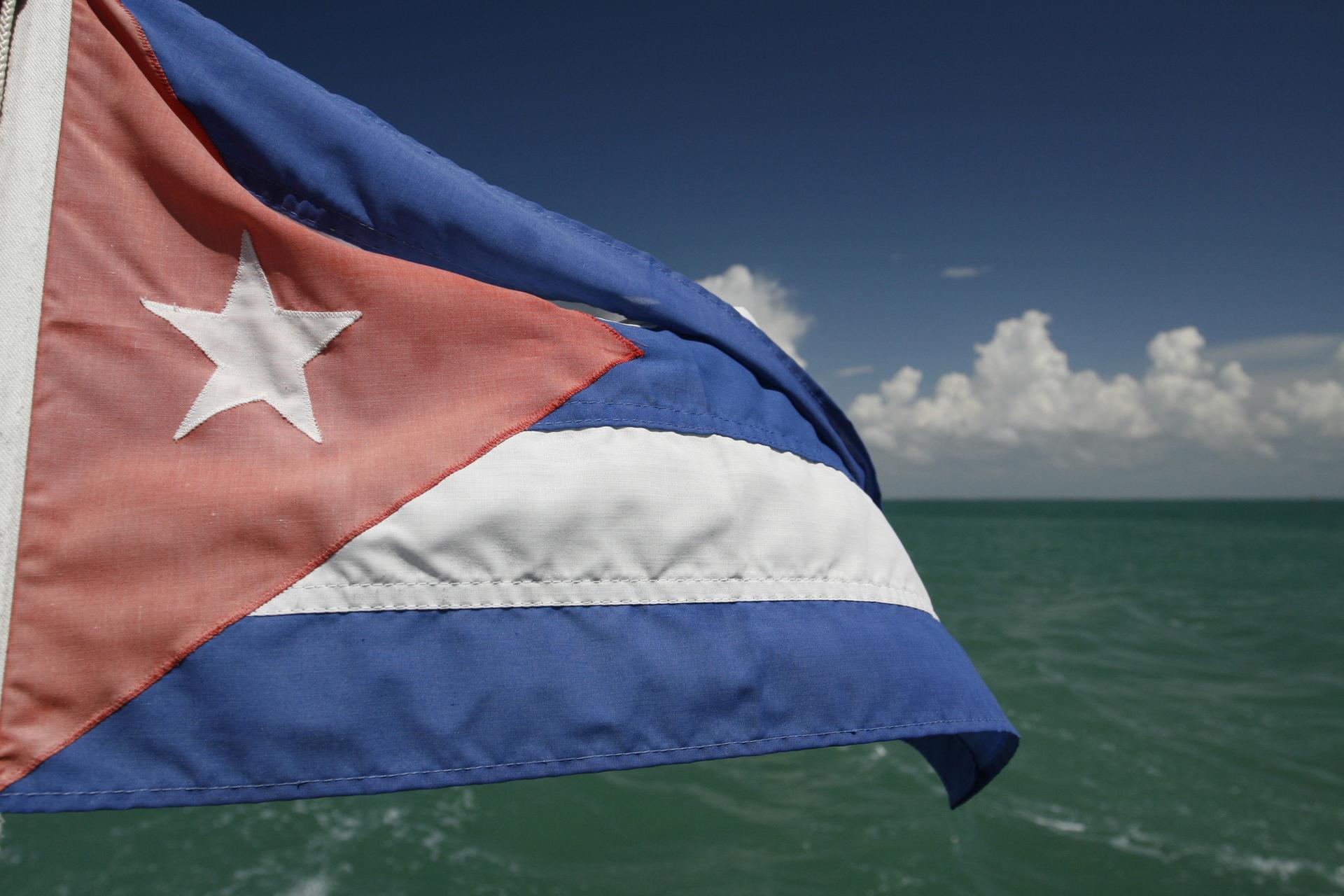
Cuba, sanctions, and threats
US Secretary of State Marco Rubio said Cuba poses a "national security threat" to the United States and that the likelihood of a peaceful agreement is "not high," as Cuba’s Foreign Minister Bruno Rodríguez accused him of "lies." Rubio told reporters that diplomacy "remains our preference with Cuba" but warned that President Donald Trump has the right and obligation to protect the country against any threat.
The BBC reported that Cuba is suffering from a fuel crisis exacerbated by an effective US oil blockade, with citizens experiencing extended blackouts and food shortages over the last few months. In Miami, Rubio said the Trump administration wants to resolve differences with Cuba peacefully but is doubtful the US can reach a diplomatic resolution with the island's current government, while Trump told reporters in the Oval Office that "it looks like I'll be the one that does it."

Rubio and Rodríguez trade barbs
Rubio said Cuba has been a national security threat for years because of its ties to U.S. adversaries, while Rodríguez condemned the indictment as a political stunt seeking only to "justify the folly of a military aggression against Cuba." In a post on X, Rodríguez vehemently denied Rubio’s accusation that Cuba is "one of the leading sponsors of terrorism in the entire region," and the BBC said he also criticised Rubio for trying to "instigate a military aggression."
CBC reported that Rubio repeated that a diplomatic settlement was preferred but noted that "the president always has the option to do whatever it takes to support and protect the national interest." The BBC said Acting Attorney General Todd Blanche announced charges in Miami and told reporters the US "expect he will show up here, by his own will or another way," as Trump said Cuba was a "failed country" and that his administration was trying to help on a "humanitarian basis."

Tariffs, oil, and China’s response
Trump signed a decree stating the United States "could" impose tariffs on countries selling oil to Cuba, and the France 24 report said Cuba’s Foreign Minister Bruno Rodríguez denounced it as a "brutal act of aggression." France 24 said the decree, signed on Thursday, January 29, ties the action to a "state of emergency" and an "exceptional threat" Cuba poses to U.S. national security, while it also accused Cuba of aligning with Russia, China, Iran, Hamas, and Hezbollah.
China responded by tightening its ties with Cuba and reaffirming political support, with Lin Jian saying Beijing opposes "inhumane actions that deprive the Cuban people of their right to subsistence and development." In a separate account, the South China Morning Post reported Rubio said in Homestead, south of Miami that "Cuba not only has weapons that they’ve acquired from Russia and China over the years" but also hosts Russian and Chinese intelligence presence, as Washington continued to insist diplomacy remains possible.