
Trump Says He Will Intervene as US Charges Raúl Castro Over 1996 Plane Downing
Key Takeaways
- U.S. charges Raúl Castro with murder in 1996 downing of two planes.
- Trump says he will intervene in Cuba after Castro indictment.
- Rubio says a negotiated settlement with Cuba is unlikely.
Charges and threats
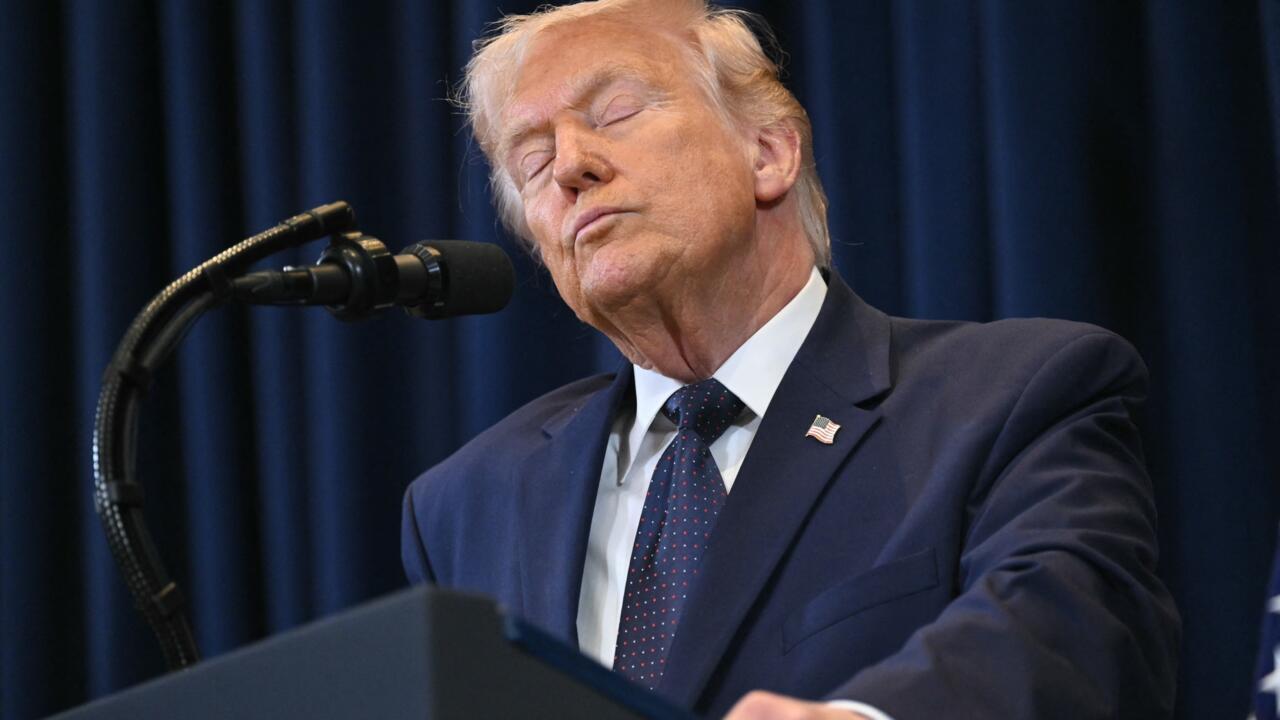
The United States escalated its Cuba pressure on Wednesday by announcing criminal charges against former Cuban President Raúl Castro, and President Donald Trump then told reporters, “it looks like I’ll be the one that does it,” as he again raised the specter of U.S. military intervention in Cuba.
“Helen Yaffe, in her frequent, regular trips to Cuba for the last 30 years, remembers once when a Category Four hurricane barrelled its way to the island”
Secretary of State Marco Rubio said Cuba has been a national security threat for years because of its ties to U.S. adversaries, and he argued diplomacy was unlikely, telling reporters, “the likelihood of that happening, given who we’re dealing with right now, is not high.”

Rubio linked the threat to Cuba’s security and intelligence ties with China and Russia, saying, “Cuba not only has weapons that they’ve acquired from Russia and China over the years,” while also asserting it “hosts Russian and Chinese intelligence presence.”
The indictment, tied to the 1996 downing of civilian planes flown by Miami-based exiles, was described by the BBC as coming a day before Rubio’s remarks, and the BBC reported Cuba’s Foreign Minister Bruno Rodríguez accused Rubio of “lies.”
Cuba rejects and counters
Cuba’s Foreign Minister Bruno Rodríguez rejected Rubio’s framing, accusing him of “lies” and saying the island had “never posed a threat to the US,” as the BBC reported.
Rubio, speaking to reporters on Thursday, insisted diplomacy “remains our preference with Cuba,” but warned that Trump had “the right and obligation to protect his country against any threat,” according to the BBC.
In Miami, Rubio also told reporters that Cuba’s leaders would not be able to “wait us out or buy time,” and he said the administration was “very serious” and “very focused.”
The BBC further reported that Rubio said Cuba had accepted a US offer of $100m (£74.4m) in humanitarian aid, while Cuba’s Foreign Minister criticized the U.S. for trying to “instigate a military aggression.”
What’s at stake next
Rubio said the United States was hoping to avoid force while still warning that the president has “the option to do whatever it takes to support and protect the national interest,” and he described the likelihood of a negotiated settlement as “not high,” according to the Australian Broadcasting Corporation.
“- Published Cuba poses a "national security threat" to the US and the likelihood of a peaceful agreement is "not high", US Secretary of State Marco Rubio has said”
The same reporting said Cuba accepted an offer of $100 million in aid, but Rubio warned the U.S. would not allow it to flow without controls, saying, “We’re not going to do humanitarian aid that falls into the hands of their military company.”
The BBC reported that Cuba is suffering from a fuel crisis exacerbated by an effective U.S. oil blockade, with extended blackouts and food shortages over the last few months, while Rubio continued to press that Cuba is a “failed country.”
As the standoff continues, the BBC said Acting Attorney General Todd Blanche told reporters the U.S. “expect he will show up here, by his own will or another way,” keeping the Raúl Castro indictment at the center of the next phase of U.S.-Cuba confrontation.
More on USA

Fitzpatrick And Suozzi Lead House Bid To Kill Trump’s $1.8 Billion Anti-Weaponization Fund
12 sources compared
House GOP Leaders Cancel Vote To Limit Trump War Powers in Iran
14 sources compared

Jeff Landry Heckled in Nuuk as Protesters Reject US Footprint on Greenland
11 sources compared

Marco Rubio Says Diplomacy With Cuba Is Doubtful After Raúl Castro Indictment
14 sources compared