
Marco Rubio Says Diplomacy With Cuba Is Doubtful After Raúl Castro Indictment
Key Takeaways
- Raúl Castro indicted for murder over the 1996 Brothers to the Rescue shootdown.
- Marco Rubio says diplomacy with Cuba is doubtful after the indictment.
- Indictment heightens US pressure and fuels regime-change rhetoric and potential action.
Indictment, uncertainty, pressure
U.S. Secretary of State Marco Rubio said diplomacy with Cuba is doubtful after the indictment of 94-year-old former president Raúl Castro, as analysts said mixed messages from the White House make it hard to predict what happens next.
“The pressure is rising”
Rubio told reporters in Florida that “At the end of the day, they need to make a decision,” adding that Cuba’s “economic system doesn’t work, it’s broken,” and that it cannot be fixed “with the current political system that is in place.”
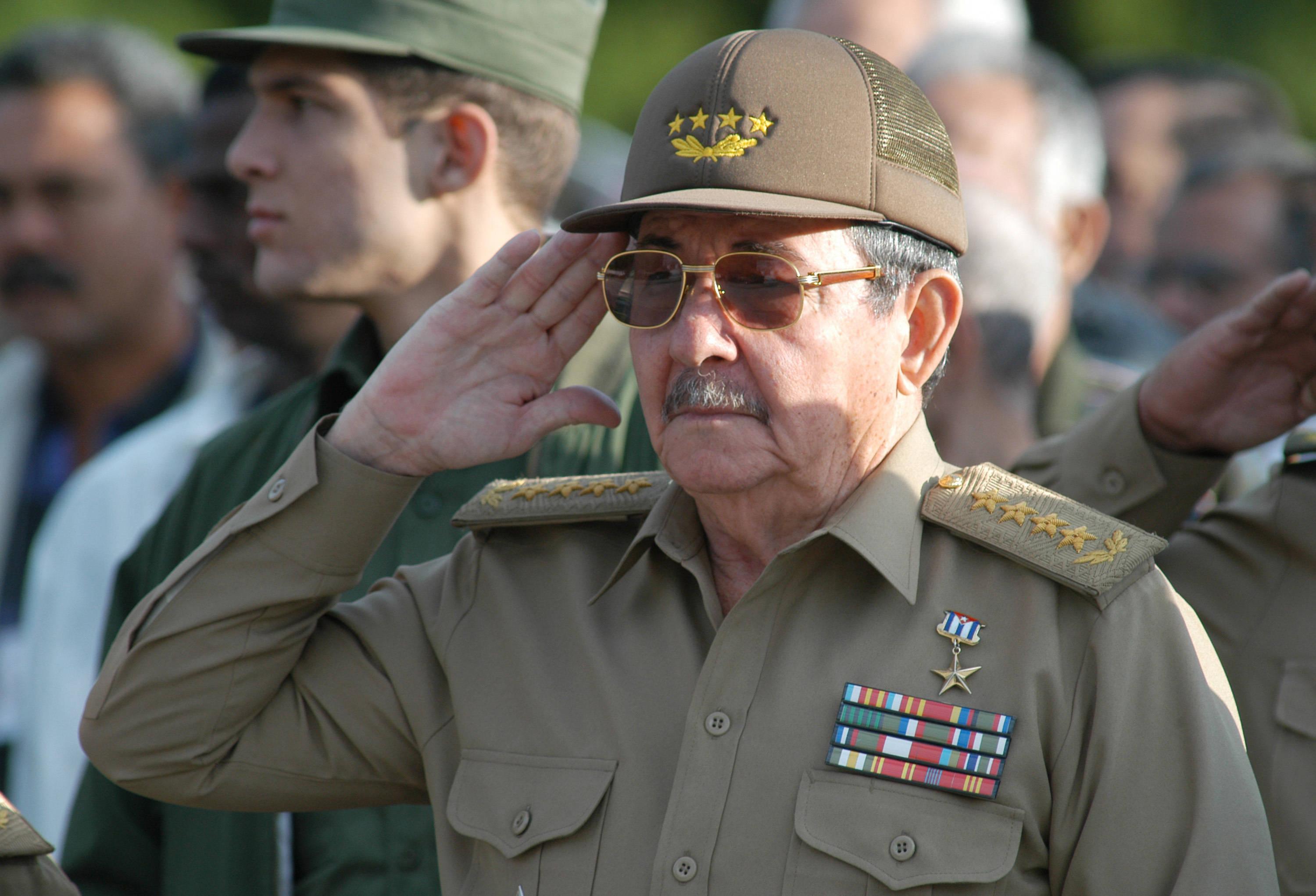
Federal prosecutors announced criminal charges against Castro in the 1996 downing of two small planes flown by Miami-based exile group Brothers to the Rescue, and Acting U.S. attorney general Todd Blanche said Castro was indicted so he could be brought to the U.S. to “face justice” in front of a jury.
The indictment has fueled speculation about whether Havana could be next on Washington’s regime-change list, with BBC reporting that the U.S. has charged Castro with murder and that the White House has vowed it would not tolerate a “rogue state” 90 miles from U.S. shores.
CNN said the Wednesday indictment came on Cuban Independence Day and coincided with a U.S. oil blockade that “threatens to collapse Cuban society,” while Trump said there was “no escalation” and told reporters, “It’s a failing nation.”
Competing voices on escalation
Cuban democracy advocates including Orlando Gutiérrez-Boronat of the Assembly of the Cuban Resistance said, “It is a fact that Raul Castro right now is a fugitive from U.S. justice,” and he called it “historic times for Cuba” as he said, “we are the closest we have been to freedom.”
Sebastián A. Arcos, interim director of Florida International University’s Cuban Research Institute, said, “There will not be a transition as long as this regime is involved,” and he argued that “My opinion is no” to political change without U.S. military intervention.
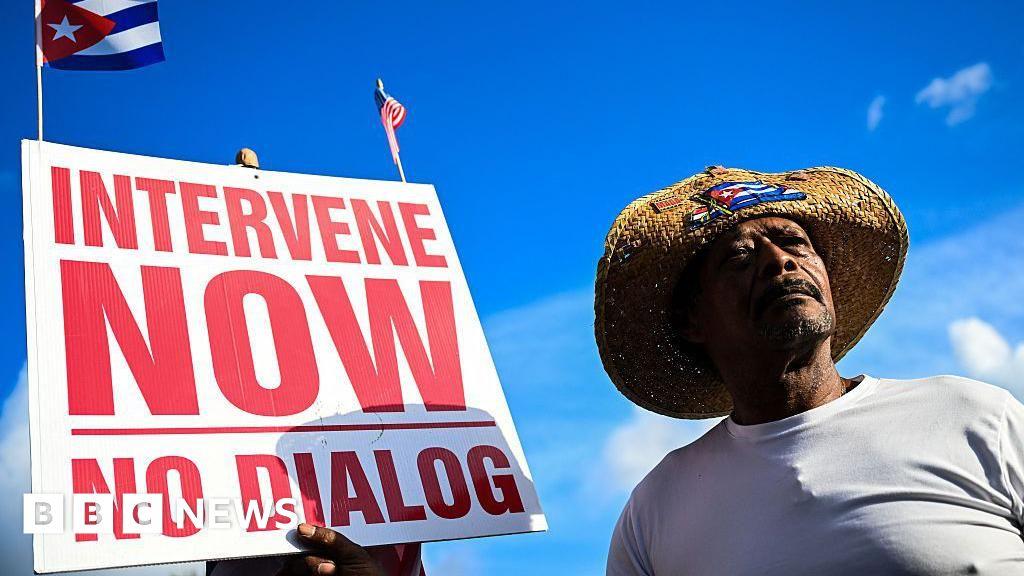
CBC quoted Peter Kornbluh, a Cuba specialist with the U.S. National Security Archive at George Washington University, saying the indictment is an “extreme warning” and calling it a “quantum step” toward military aggression.
In Havana, Miguel Díaz-Canel pushed back on Wednesday by calling the Castro indictment “a political maneuver, devoid of any legal foundation,” with the intent of justifying military aggression against Cuba, while The Hill reported that Gallego said Republicans were manufacturing a “regime change” in Cuba.
The BBC framed the uncertainty as three possible ways the crisis could play out, including speculation that the U.S. could seize Castro, seek Havana leadership change, or pursue other paths as “What comes next is anyone’s guess.”
What’s at stake next
The dispute over what comes next is tied to the possibility of military action, with BBC describing speculation that U.S. forces could launch an operation to capture Castro and bring him to an American courtroom, and CBC saying “It’s certainly not out of the question that they will do a snatch raid in Cuba.”
“Former Cuban president Raúl Castro will be "keeping his head down," experts say, as questions swirl over whether the U”
CNN warned that any move toward further action by the “stretched US armed forces” would carry “high political and military risks,” and it said the Castro indictment “looks like an administration double play” alongside the blockade and diplomatic pressure.
The Hill reported that Rubio said the U.S. would offer $100 million in food and medicine under the condition it be distributed by the Catholic Church or another trusted charitable group instead of a business conglomerate run by the Cuban military that controls much of the island’s commerce.
Le Devoir said Cuba could run out of oil within two weeks and described power outages and food and electricity shortages, while L’Express said the island’s control by Raúl Castro and de facto presidency by Miguel Díaz-Canel are central to the question of how long the regime can hold.
L’Humanité reported that the Wall Street Journal said the Trump administration would seek members of the Cuban government “likely to help it reach an agreement aimed at overturning the communist regime by the end of the year,” while senior North American officials told the paper there would be “no concrete plan to end the communist government.”
More on USA

Trump Says He Will Intervene as US Charges Raúl Castro Over 1996 Plane Downing
12 sources compared

Fitzpatrick And Suozzi Lead House Bid To Kill Trump’s $1.8 Billion Anti-Weaponization Fund
12 sources compared
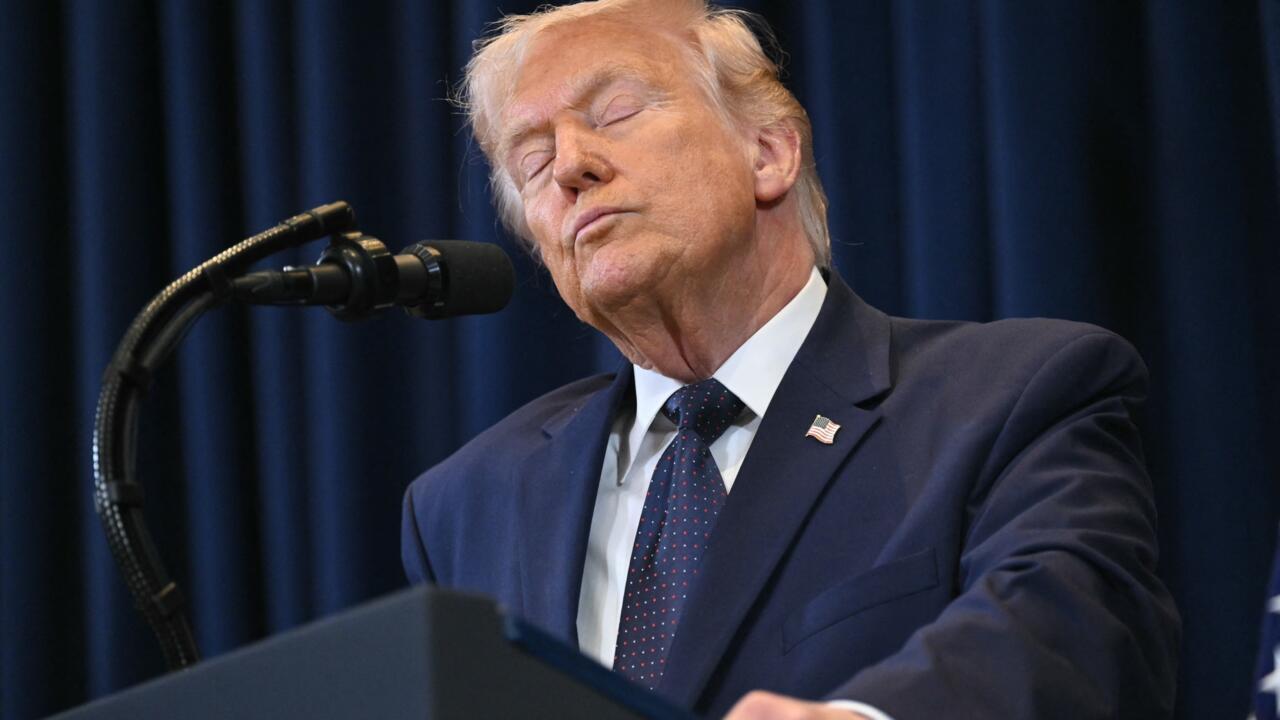
House GOP Leaders Cancel Vote To Limit Trump War Powers in Iran
14 sources compared

Jeff Landry Heckled in Nuuk as Protesters Reject US Footprint on Greenland
11 sources compared