Mark Carney Rejects More Trade Concessions to Reach U.S. Talks on CUSMA
Key Takeaways
- Carney says the United States cannot dictate terms of USMCA negotiations.
- Canada will not offer further concessions to gain entry to U.S. talks.
- Talks to revise USMCA will proceed; July review looming.
Carney rejects “entry fee”
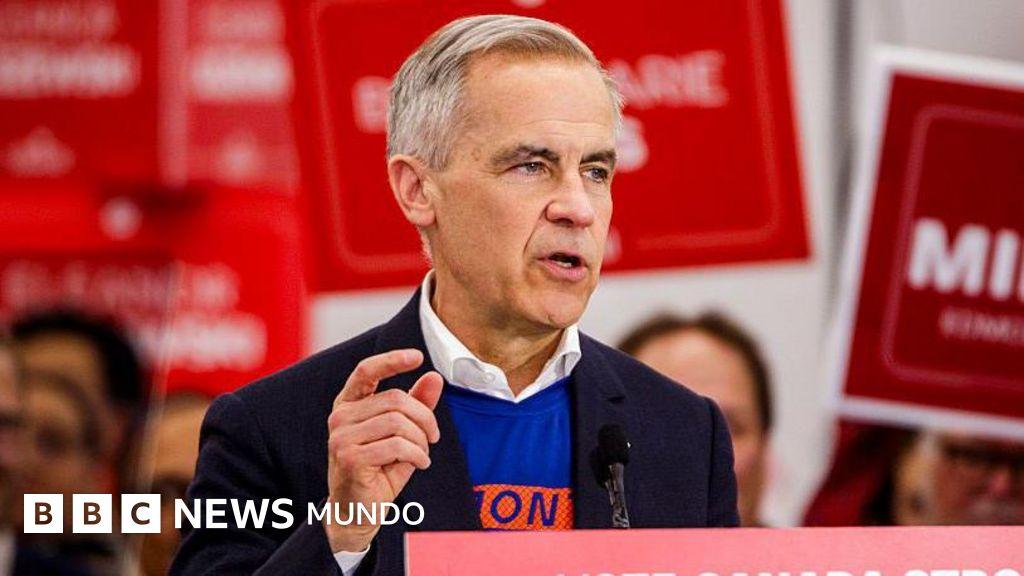
Prime Minister Mark Carney told reporters in Ottawa on Wednesday that Canada would not make “any more trade concessions” to get to the table with the United States on trade talks, answering a direct question about whether Canada would “make any more concessions to get to the table with the U.S.?” with “No.”
“Canada's prime minister says the US does not get to dictate terms for a trade agreement Canadian Prime Minister Mark Carney says that Washington cannot dictate the terms of the continental trade deal known as USMCA VANCOUVER, British Columbia -- VANCOUVER, British Columbia (AP) — Canada 's Prime Minister Mark Carney said Wednesday that Washington doesn't get to dictate the terms of a continental trade deal known as the United States-Mexico-Canada Agreement, or USMCA, speaking of obstacles ahead of the accord's review in July”
Global News reported that the Trump administration is demanding what it described as an “entry fee” or “a series of concessions” from Canada to engage in trade talks toward a revised Canada-United States-Mexico-Agreement (CUSMA).

Carney said, “We understand what some of the – what the Americans would call trade irritants or trade issues – are. We have some on our side as well. We’re well prepared around those issues,” and added that “Both sides “will sit down and work through those issues.”
The Globe and Mail similarly reported that Carney pushed back on the idea that Washington can dictate terms, quoting him saying, “It’s not a case of the United States dictates the terms. We have a negotiation.”
In the same Ottawa exchange, Carney also said, “We can come to a mutually successful outcome. It will take some time,” according to both Global News and the Associated Press.
TRT World carried Carney’s French-language framing as well, quoting him saying, “It’s not a case of the US dictating the terms...It’s not a case of (one country) demanding and the other begging,” and concluding, “It’s a negotiation.”
The dispute is tied to the USMCA review schedule, with Global News stating that CUSMA is up for a review before July 1 and the Associated Press describing the review in July as the immediate obstacle ahead of the accord’s review.
What the U.S. wants
Multiple outlets described the U.S. position as seeking upfront concessions before negotiations begin, with Radio-Canada reporting the “entry fee” framing that Carney did not dispute.
The Globe and Mail reported that two sources familiar with the talks say the Trump administration has asked Canada to change or scrap domestic policies—including dairy supply management, provincial bans on American liquor, the Online Streaming Act and the Online News Act—before it will sit down to negotiate.
The Globe and Mail also said the U.S. is content with the current state of affairs as it collects revenue from sectoral levies known as Section 232 tariffs, and wants to see what else it can extract from Ottawa before negotiating.
Toronto Star quoted Trade Minister Dominic LeBlanc saying Ottawa would not “make a series of concessions or agree to a series of things that aren’t in the interest of the Canadian economy, Canadian businesses, Canadian workers, just to get to a table.”
LeBlanc said Ottawa would deal with U.S. demands “but only in the context of a broader deal to resolve each country’s respective concerns,” and added, “We’re not going to make a series of concessions or agree to a series of things that aren’t in the interest of the Canadian economy, Canadian businesses, Canadian workers, just to get to a table.”
In Washington, Global News and the Globe and Mail both cited U.S. Trade Representative Jamieson Greer’s comments to Congress about CUSMA’s “load-bearing pillars” and the need for renegotiation to address U.S. concerns.
The Associated Press and ABC News both described Carney’s response to the “entry free” report as a general point that “people ask for concessions,” while he said Canada has “strengths” and “options” and is “diversifying our options.”
Greer, Lutnick and retaliation
While Carney and LeBlanc rejected the “entry fee” framing, the U.S. side expressed frustration with Canada’s positions on specific issues, according to Toronto Star and Global News.
Toronto Star reported that Commerce Secretary Howard Lutnick said it is “insulting and disrespectful” for Canada to keep American wine and spirits off provincial government-controlled liquor store shelves.
The same report said U.S. Trade Rep. Jamieson Greer told the congressional ways and means committee that the Canadian government refuses to address repeated American demands that more U.S. dairy products be given access to Canadian markets, and “shrugs off its concerns about U.S. alcohol sales being curtailed.”
Greer said Canadians are “happy to talk to us about adjustments to USMCA and different things like that, but they have made no commitments” on dairy, “nor on U.S. alcohol sales,” with Canada claiming it’s provincial jurisdiction.
Greer also said there may have to be “an enforcement action” to deal with the ban on alcohol sales, without specifying what the U.S. would do.
Toronto Star connected the dispute to Ontario’s retaliation, quoting Premier Doug Ford saying, “You never roll over to a bully. You confront them head on. The LCBO, that’s one tool.”
TRT World said Lutnick called Ford’s ban “outrageous” in congressional testimony and quoted Ford saying, “I don’t trust President Trump.”
Timeline and review mechanics
The negotiations are anchored to a formal review date and a set of possible outcomes, with outlets describing how the agreement could be extended or changed.
Global News said CUSMA “is up for a review before July 1 this year,” while the Globe and Mail reported that “The USMCA’s formal review date is July 1” and that officials expect negotiations to extend beyond that date.
The Globe and Mail also laid out the decision points after the review, saying the parties must decide whether to extend the agreement for another 16 years or move to annual reviews for 10 years, after which the agreement will expire if they don’t agree to extend it.
The Globe and Mail added that “Any of the three parties can also withdraw from the agreement with six months’ notice.”
In the same report, the Globe and Mail described how Canada has begun re-engaging with the U.S. after a rupture in October, when Trump ended talks in anger over an advertisement by the Government of Ontario that criticized tariffs.
Global News said Carney announced the formation of an advisory council on Canada-U.S. economic relations, including “top industry voices from tariff-hit sectors” and “multiple prominent Conservative MPs,” and that the council is set to hold its first meeting on April 27, 2026.
The Associated Press and ABC News both described Carney’s view that finetuning the latest version of the agreement “will take some time,” and both linked his comments to obstacles ahead of the accord’s review in July.
Different frames of the same dispute
The same Wednesday exchange about U.S. demands and Canada’s refusal to concede was framed differently across outlets, with some emphasizing the “entry fee” report and others emphasizing the negotiation posture and the U.S. grievances list.
“The United States cannot dictate the terms of upcoming trade talks, Canadian Prime Minister Mark Carney said, after reports emerged that Washington is seeking an “entry fee” before agreeing to begin discussions”
Global News foregrounded Carney’s “No” and described the U.S. demand as an “entry fee” or “series of concessions,” then quoted Carney saying, “We’ve made some counter proposals, which they’re aware (of). And the time will come to really roll up our sleeves.”
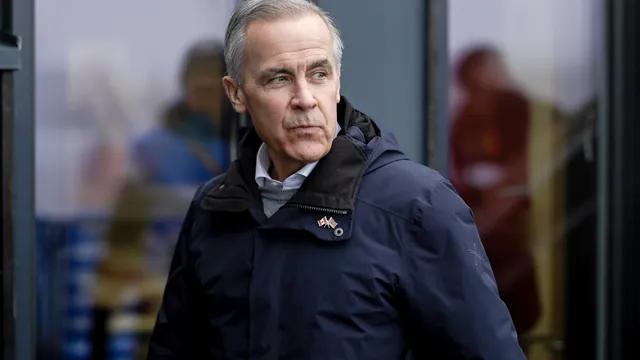
The Globe and Mail, while also quoting Carney’s “It’s not a case of the United States dictates the terms. We have a negotiation,” focused on the substance of the alleged preconditions, listing dairy supply management, provincial bans on American liquor, the Online Streaming Act and the Online News Act.
Toronto Star emphasized the Canadian government’s internal line, quoting Dominic LeBlanc saying Ottawa would not offer concessions “just to get to a table” and describing his insistence that demands be handled “as part of a larger, more comprehensive arrangement.”
TRT World and the Associated Press both centered Carney’s insistence that the U.S. does not dictate terms, but TRT World also added that “more than 85 percent of US-Canada trade has remained tariff-free.”
In contrast, the Globe and Mail described a rupture in October and said the U.S. side is content with Section 232 tariffs revenue while it builds a “laundry list of possible preconditions.”
The Associated Press and ABC News both described Carney’s reference to “trade irritants” and his statement that “We will sit down and work through those issues with the broader approach in the negotiations.”
More on Canada

Two CIA Officers Killed in Mexico Crash After Counternarcotics Operation in Chihuahua
19 sources compared

Canada Cuts Tariffs on Chinese Electric Vehicles, Capping Imports at 49,000 Per Year
15 sources compared

Prosecutors Say Luther Davis Used Makeup and Wig to Impersonate NFL Players in $20M Fraud
14 sources compared
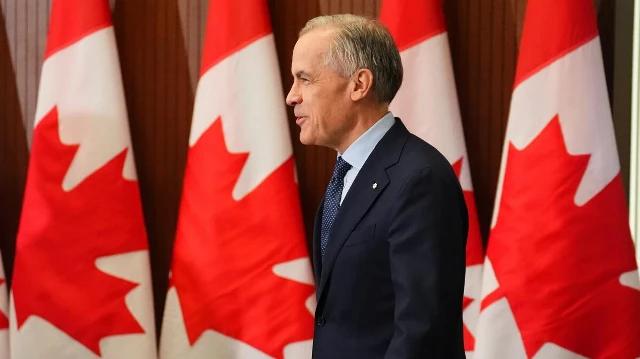
Prime Minister Carney Suspends Federal Fuel Taxes Until Labour Day To Lower Prices
18 sources compared