
Maryland Judge George L. Russell III Orders USCIS To Resume Green Card Processing For 83 Applicants
Key Takeaways
- Judge George L. Russell III orders USCIS to resume 83 green card applications.
- Preliminary injunction blocks USCIS from indefinitely pausing cases.
- Group comprises 83 immigrants affected by Trump's travel ban.
Judge Orders Processing
A U.S. federal judge ruled that U.S. Citizenship and Immigration Services (USCIS) cannot indefinitely pause green card applications for immigrants linked to countries under travel restrictions, and ordered the agency to resume work on certain cases.
“You Browser Working London Working www”
The ruling was issued by Maryland District Judge George L. Russell III in a 39-page decision, which The Times of India described as calling the policy an “unlawful, categorical, and indefinite pause” affecting dozens of applicants already living in the United States.
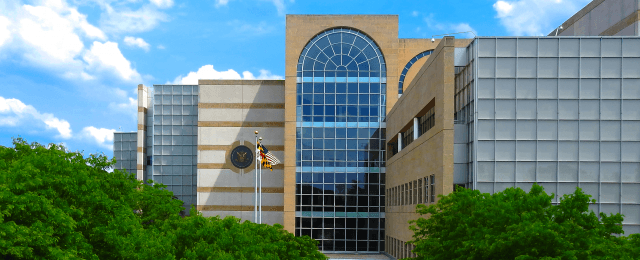
Reuters and other outlets in the provided set focus on the same core directive: Russell ordered USCIS to restart processing for a defined group of plaintiffs, with The Times of India stating the order directed the agency to restart work on the applications of 83 individuals involved in the case.
The Maryland Daily Record similarly reported that Russell ordered USCIS to process the applications of 83 immigrants and issued a preliminary injunction preventing the Trump administration from pausing processing of those applications.
The Peoples Gazette Nigeria framed the same point as a requirement that “a decision must be made,” quoting Russell’s line that “USCIS does not have discretion to decide not to adjudicate at all.”
Newsweek also highlighted Russell’s language, writing that “USCIS does not have discretion to decide not to adjudicate at all,” and described the case as representing 83 immigrants already in the U.S.
The judge’s order, as described across the sources, does not guarantee approvals, but it does require that USCIS not leave applicants in “indefinite limbo,” with Newsweek stating the ruling “only requires that USCIS not leave applicants in indefinite limbo.”
Travel Ban Expansion
The dispute centers on a USCIS policy that paused green card processing for immigrants from 39 countries tied to U.S. travel restrictions, which the sources connect to presidential orders under the Immigration and Nationality Act.
The Times of India said the pause focused on a policy that stopped green card processing for immigrants from 39 countries under travel bans or visa limits, describing it as meant for security and new arrivals but also blocking people already living in the U.S.

Peoples Gazette Nigeria added that “Since January 1, when USCIS expanded the travel restrictions on 39 nations to cover foreigners living in the U.S., many legal immigrants have had their applications placed on indefinite hold,” and it said they could neither renew work authorization nor move forward with immigration cases.
The Maryland Daily Record provided a timeline for the underlying executive orders, stating that President Donald Trump issued executive orders on “Countries of Identified Concern,” and that a December order expanded the list from 19 countries to 39.
It also reported that USCIS then “indefinitely halted the final decisions on all applications for permanent residency filed by immigrants from those countries.”
Newsweek described the legal framing as presidential proclamations issued under the Immigration and Nationality Act and “framed as entry restrictions—that is, limits on who may enter the United States from designated ‘Countries of Identified Concern.’”
Newsweek further explained that USCIS took this as applying to the agency, issuing policy memos that imposed indefinite holds on adjudicating green card applications “solely based on where applicants were born—i.e., the affected 39 countries.”
Across the sources, the pause is also linked to other immigration benefits: Peoples Gazette Nigeria said “Optional Practical Training (OPT) applications for STEM international students were also paused,” while The Times of India said the ruling focuses on green card applications.
Government and Plaintiffs
The sources present competing justifications for the pause and competing characterizations of its impact.
“A Maryland federal judge on Friday ordered U”
The Times of India reported that USCIS defended the pause, quoting a USCIS spokesperson who said, “USCIS has paused all adjudications for aliens from high-risk countries while USCIS works to ensure that all aliens from these countries are vetted and screened to the maximum degree possible.”
The spokesperson continued, “The pause will allow for a comprehensive examination of all pending benefit requests for aliens from the designated high-risk countries. The safety of the American people always come first.”
Newsweek repeated the same USCIS spokesperson statement, again emphasizing that the pause would allow for “a comprehensive examination of all pending benefit requests” and that “The safety of the American people always come first.”
In contrast, Project Press Unpause and a spokesperson identified as Lavida argued that the policy was arbitrary and capricious and that many affected people had long lawful ties to the U.S.
The Times of India quoted Lavida saying, “This sends a clear message that this policy is arbitrary and capricious. Most of us have been in the country for 5+ years with no issues with the law, dedicated tax payers and were even granted national interest waivers because of the work that we do,” and it added that Lavida said, “We are legal immigrants (the kind of immigrants this administration claims to only want), have contributed positively to the US economy but are now placed under an indefinite hold because of our country of birth - something we cannot control.”
Peoples Gazette Nigeria similarly quoted the Project Press Unpause spokesperson as saying, “This sends a clear message that this policy is arbitrary and capricious,” and it described the group as saying USCIS received “over $1 billion as payment for applications that were not processed.”
The Maryland Daily Record described the plaintiffs’ allegations in terms of harm to careers, businesses, and families, stating that the 83 plaintiffs “alleged the indefinite pause would cause irreparable harm to their careers, businesses and families.”
Court Reasoning and Limits
The court’s reasoning, as described in the sources, focused on the distinction between discretionary adjudication and an outright refusal to decide.
The Times of India said Russell rejected the government’s argument that courts should not interfere in immigration regarding issues and that federal agencies have enough discretion over how applications are handled, and it reported that the judge rejected that position by stating that the agencies cannot refuse to decide them altogether.
It quoted Russell’s conclusion that “USCIS does not have discretion to decide not to adjudicate at all,” and it said the judge directed USCIS to restart work on the applications of 83 individuals.
Peoples Gazette Nigeria similarly emphasized that while USCIS reserves the right to grant or deny an application, it cannot hold it indefinitely without processing, stating, “A decision must be made.”
Newsweek added that the judge rejected the government’s argument that courts lack authority to review the freeze, explaining that while immigration officials have discretion in how they decide cases, they do not have the power to indefinitely refuse to decide them.
The Maryland Daily Record provided additional detail on the procedural posture, describing that Russell granted a preliminary injunction and that he “declined, however, to order the agency to process the applications within 30 days, as the plaintiffs requested,” because the cases were in different stages.
It also said Russell ruled that the USCIS policy memorandum counts as a “final agency action” eligible for court review, and it reported that Russell decided to preserve the status quo before the indefinite pause.
Newsweek echoed the same limitation, stating that Russell “declined to require decisions within 30 days, noting that the cases were at very different stages and some would reasonably take longer to complete.”
What Happens Next
The sources describe the immediate effect of the ruling as a restart of adjudication for the 83 plaintiffs, while leaving open broader questions about other affected applicants and the pace of decisions.
The Times of India said the court ordered USCIS to resume processing the applications of those involved in the lawsuit, but it “did not impose a strict deadline for decisions,” and it added that the ruling “does not immediately apply to all affected immigrants, and the agency can still continue the pause for those not part of the case.”
Newsweek similarly described that the ruling “effectively rolls back the policy to the way things worked before the freeze,” while also stating it “does not guarantee that any applicant will be approved or denied—it only requires that USCIS make a decision.”
The Maryland Daily Record reported that Russell granted a preliminary injunction preventing the Trump administration from pausing processing of those applications, and it said the order only applies to the 83 plaintiffs.
Peoples Gazette Nigeria framed the potential significance as precedent, stating that although the ruling applies only to 83 plaintiffs who sued, “it could also set a precedent for other intending immigrants who feel wronged by the restrictions.”
The Times of India and Newsweek both tied the dispute to the scale of the pause, with The Times of India reporting that Project Press Unpause estimates “more than two million applications have been left unprocessed, despite over $1 billion in fees being collected,” and Newsweek stating Project Press Unpause estimates USCIS had collected “over $1 billion in fees from over 2 million applications it was not processing.”
Finally, the sources include USCIS’s continued justification for the pause, even as the court orders resumption for the plaintiffs, with USCIS spokesperson statements emphasizing vetting and screening and that “The safety of the American people always come first.”
More on USA

Cole Tomas Allen Opens Fire Outside White House Correspondents’ Dinner, Secret Service Officer Struck
51 sources compared

Trump Pushes White House Ballroom After Washington Hilton Shooting, Cole Tomas Allen Charged
12 sources compared

Cole Tomas Allen Charged With Attempting To Assassinate President Donald Trump At Washington Hilton
25 sources compared

Cole Tomas Allen Charged With Attempting To Assassinate Donald Trump At White House Correspondents’ Dinner
14 sources compared