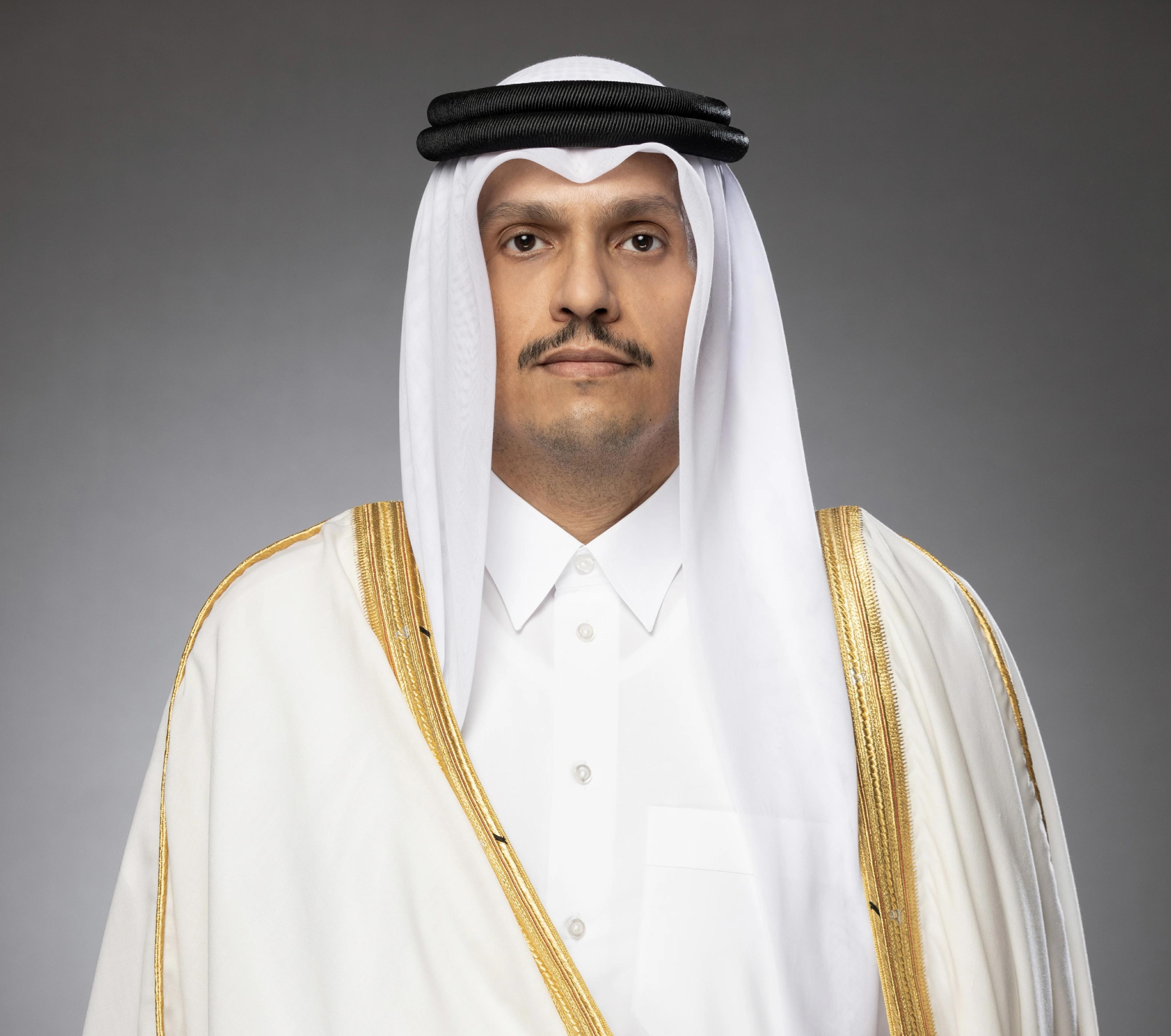
Masoud Pezeshkian Says Islamabad MoU With US Achieved With Supreme National Security Council Coordination
Key Takeaways
- MoU with the United States achieved in full coordination with Supreme Leader and SNSC.
- Tehran to discuss MoU implementation with Qatar, including release of frozen assets.
- Aimed at ending the US-Israeli war of aggression against Iran.
MoU, Qom, and coordination
Iran’s President Masoud Pezeshkian said an Islamabad memorandum of understanding on ending the US-Israeli war of aggression against Iran was achieved in full coordination with Ayatollah Seyed Mojtaba Khamenei and the Supreme National Security Council.
“Iran's president says MoU with US achieved in full coordination with supreme leader Iranian President Masoud Pezeshkian said on Tuesday that the recent peace memorandum of understanding (MoU) with the United States was achieved in full coordination with Supreme Leader Mojtaba Khamenei and with the support of the Supreme National Security Council (SNSC)”
Pezeshkian made the remarks during a visit to the holy city of Qom and in a meeting with members of the Society of Seminary Teachers of Qom, reviewing “the most important developments, challenges, threats, and strategic decisions of the country over the past two years.”

He said the MoU with the US was concluded within the framework of Iran’s overarching policies and in full coordination with the Leader of the Islamic Revolution, with support of the Supreme National Security Council.
In parallel, Al Jazeera reported that Iran will hold indirect talks on the US-Iran deal with mediator Qatar to discuss implementing its Memorandum of Understanding with the US and the release of frozen Iranian assets.
Al Jazeera also said Tehran warned it would respond to any US breach of the agreement aimed at ending the war.
Doha talks and Hormuz
As the US and Iran navigated conflicting signals about meetings, Time reported that President Donald Trump announced on Monday that the U.S. and Iran will meet in Doha on Tuesday, writing on Truth Social, “IRAN HAS REQUESTED A MEETING.”
Time also quoted White House Press Secretary Karoline Leavitt saying special envoys Jared Kushner and Steve Witkoff would travel to Qatar to participate in “high-level meetings” this week, while Iran’s Foreign Ministry spokesperson Esmaeil Baghaei later said no meetings were scheduled with the U.S. in the coming days.

In the same period, BBC reported that the US and Iran agreed to “stand down” following an exchange of strikes over the past few days, and that the US official told CBS News that vessels would be able to move through the Gulf waterway “freely.”
The BBC said the MoU included Iran’s agreement to use its “best efforts for the safe passage of commercial vessels with no charge for 60 days,” even as strikes resumed after an Iranian projectile hit a cargo ship in the Strait of Hormuz.
Radio Free Europe/Radio Liberty added that Qatari Foreign Ministry spokesperson Majed bin Mohammed Al Ansari said Qatar was working to contain the situation around recent military incidents in Hormuz while technical talks addressed waterway traffic and Iran’s nuclear program.
Frozen assets, demining, and conditions
Qatar’s mediation role remained central as Sky News Arabia reported that Sheikh Mohammed bin Abdulrahman bin Jassim Al Thani met with American envoys Steve Weitkoff and Jared Kushner to review developments in talks between the United States and Iran under the memorandum of understanding.
Sky News Arabia said Qatar’s Foreign Ministry spokesman Majid Al-Anzari noted that frozen Iranian funds in Qatar totaled six billion dollars and “have not yet been transferred to Tehran” and are subject to the 2023 agreement.
The same report said a direct line was used to calm tensions in the Strait of Hormuz and that Washington and Tehran agreed to halt attacks that had escalated in recent days despite their signing in mid-June of a memorandum of understanding aimed at ending the war.
In parallel, Radio Free Europe/Radio Liberty reported that Iran’s chief negotiator Mohammad Baqer Qalibaf said Iran is “currently not negotiating with the United States at all,” and that Tehran would not enter further negotiations until Washington implements all the clauses in the memorandum of understanding signed on June 17.
RFE/RL also said Qalibaf told state TV that Iran was prioritizing diplomacy with the United States but remained ready for war, adding “We are pursuing dialogue, but if the dialogue is not implemented, we are also prepared for war and will respond accordingly,” and it linked the stance to the Strait of Hormuz and frozen funds remaining untouched in Qatari accounts.
More on Iran
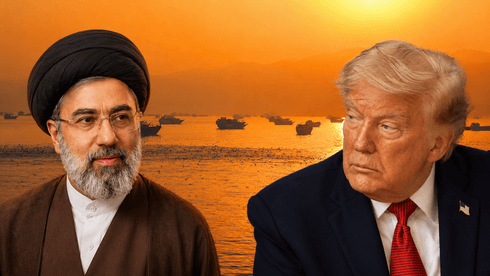
Iran and US Set Doha Talks With Qatar Over Frozen Assets and Lebanon Ceasefire
13 sources compared
Syria and Türkiye Sign Disaster Management Cooperation Memorandum in Damascus
14 sources compared
Steve Witkoff and Jared Kushner Arrive in Doha for US-Iran Talks With No Direct Meetings
12 sources compared

South Korea’s National Assembly Approves Han Seong-sook as Prime Minister After Democratic Party Push
13 sources compared