
Massad Boulos Seeks Power-Sharing Agreement Between Libya’s Eastern and Western Rival Governments
Key Takeaways
- Massad Boulos seeks to broker a power-sharing deal between Libya's eastern and western administrations.
- Plan aims to unify Libya's institutions under a single authority.
- It encourages United States oil companies to invest in Libyan oil as part of stabilization.
Boulos backs Libyan deal
Massad Boulos, described as adviser to U.S. President Donald Trump on Middle East and African affairs, told the Financial Times he is seeking to broker a power-sharing agreement in Libya between rival governments in the country’s east and west.
“An American official said on Wednesday that the United States is seeking to mediate a power-sharing agreement between the rival administrations in eastern and western Libya, in an effort to unite the oil-rich country”
In the Financial Times interview, Boulos said, "Our plan is to have a unified government and to unify all institutions," while encouraging American oil companies to invest in Libya.

The Financial Times also reported that Boulos said ConocoPhillips and Chevron have already signed agreements with Libya in 2026, and that Libya’s oil production could double to three million barrels per day by the end of the decade.
The Financial Times quoted Claudia Gazzini, a senior analyst with the International Crisis Group currently visiting eastern Libya, saying, "This is just wishful thinking."
Skepticism in Benghazi
Gazzini told the Financial Times that there is "no public discourse here in Benghazi about reconciliation with the other side" and that "it is time to move forward."
She added that opposition exists to consolidating power for the current authorities, because it would mean "no chance for political change anytime soon, no opportunity for elections, and no chance to change the government in the future."
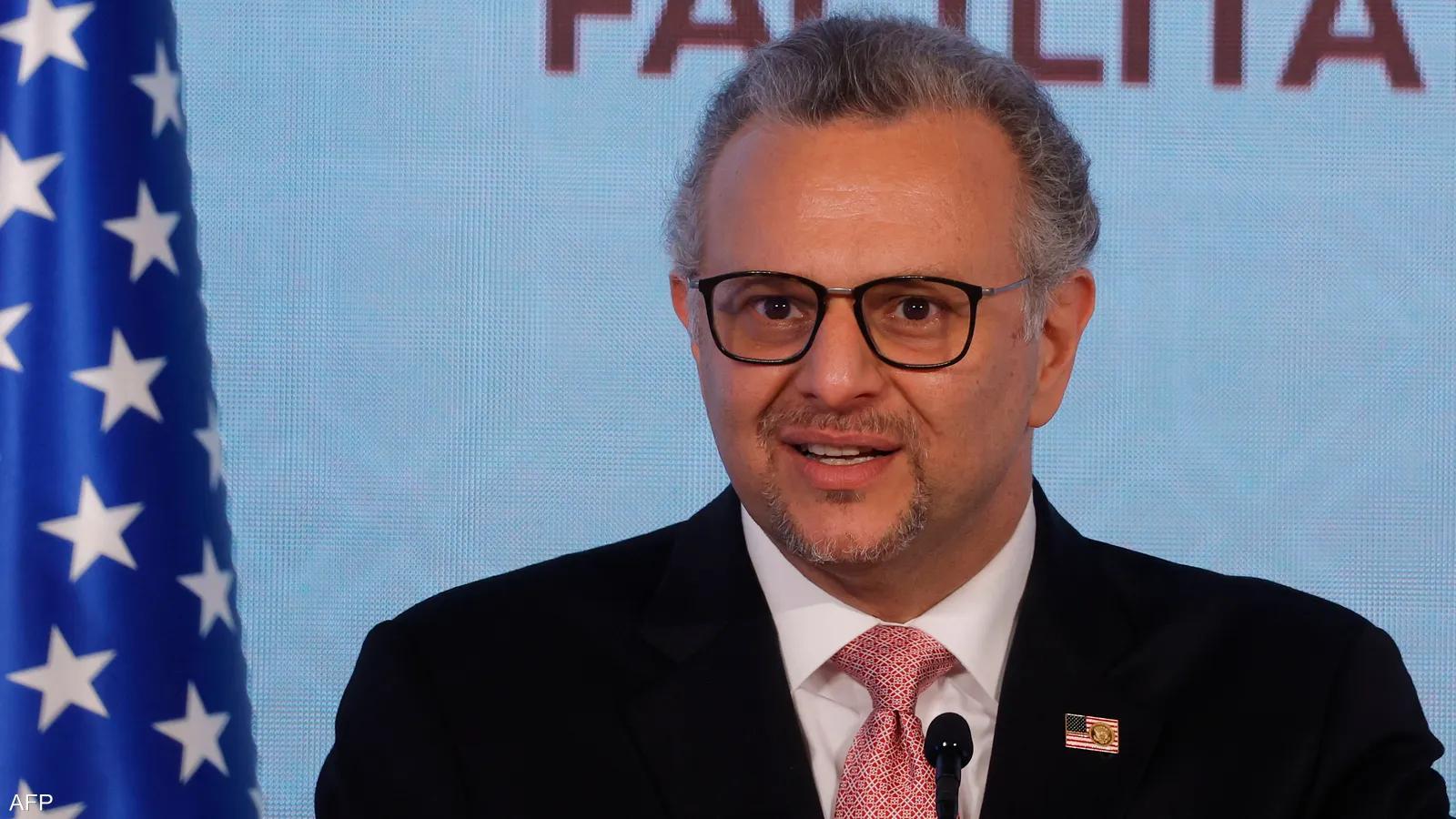
The Al-Jazeera Net account said the plan has not been formally presented by the Libyan parties and that most details rely on informed sources rather than an announced agreement.
It also reported that diplomats and analysts were skeptical about implementing the plan because it would formalize authority exercised by leaders who have relied on armed factions, amid lack of trust between the sides and concessions required on shared governance.
Opposition to external mediation
In a statement from Zawiya, cities and components of Libya’s Western Region rejected what they described as political projects aimed at partitioning power among specific parties, warning that the absence of clear mechanisms for electoral laws and a binding timetable threatens unity and wastes resources.
“Washington's senior adviser for Arab and African affairs, Massad Boulos, is seeking to broker a powersharing agreement between rival administrations in eastern and western Libya, the Financial Times reported on Wednesday”
The Libya Observer reported that the Western Region also rejected the so-called “Mousaad Pauls” initiative, describing it as aiming to divide power among individuals and families and to prolong citizens’ suffering while draining resources.
The statement urged forming one new government to end political division and create conditions for legislative and presidential elections, while calling for inclusive UN-backed dialogue and rejecting international mediation, including American mediation, if based on understandings among particular parties.
It further stressed that any settlement not based on inclusion, justice, and legitimate popular authority will prolong the crisis and deepen the division, and that the Government of National Unity does not represent the entire Western Region.
More on Africa

MSF Terminates 18 Staff Over Sexual Exploitation Of Sudanese Refugees In Eastern Chad
20 sources compared

Morocco Kills Polisario Leader Lahbib Abdelaziz With Drone Attack in Western Sahara
19 sources compared

Nigeria’s Army Frees 360 Boko Haram Captives From Borno’s Mandara Mountains
12 sources compared

Truck Breakdown Kills At Least 49 Nigerien Nationals Of Thirst In Northern Niger Sahara
12 sources compared