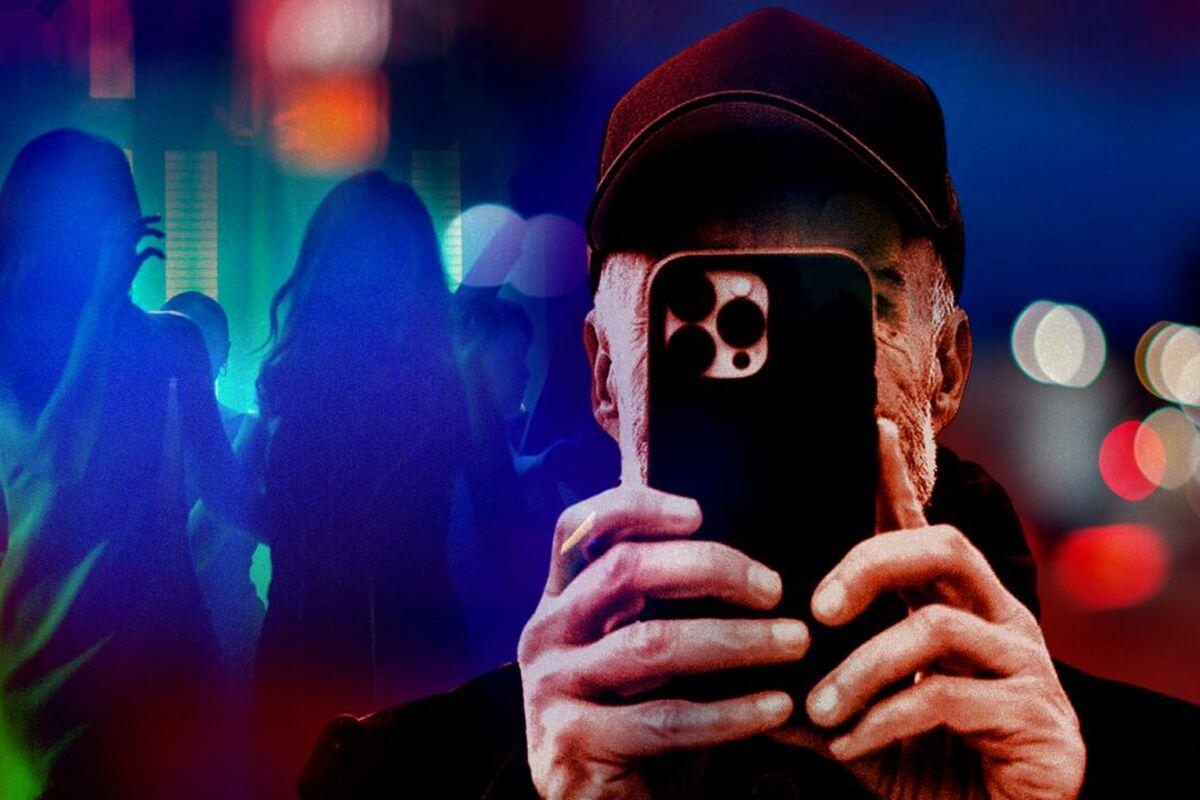
Men Secretly Film Women On Nights Out, Exploit And Sell Intimate Footage Online
Key Takeaways
- Men covertly film women on nights out and monetize the footage online.
- Videos focus on women in dresses, filmed from behind or low angles revealing intimate parts.
- Many victims were unaware, felt scared and humiliated; investigators identified nearly fifty filmed women.
Secret nightlife footage trade
A BBC investigation, reported by vijesti.me, found a coordinated online market where men secretly film women on nights out and post the footage as "walking tours" or "nightlife content" across platforms including YouTube, TikTok, Facebook and Instagram.
“Men are covertly filming women on nights out, then making money by posting the videos online, a BBC investigation has found”
The reporting highlights the scale of the phenomenon, identifying more than 65 channels hosting such footage and over three billion views amassed in three years.
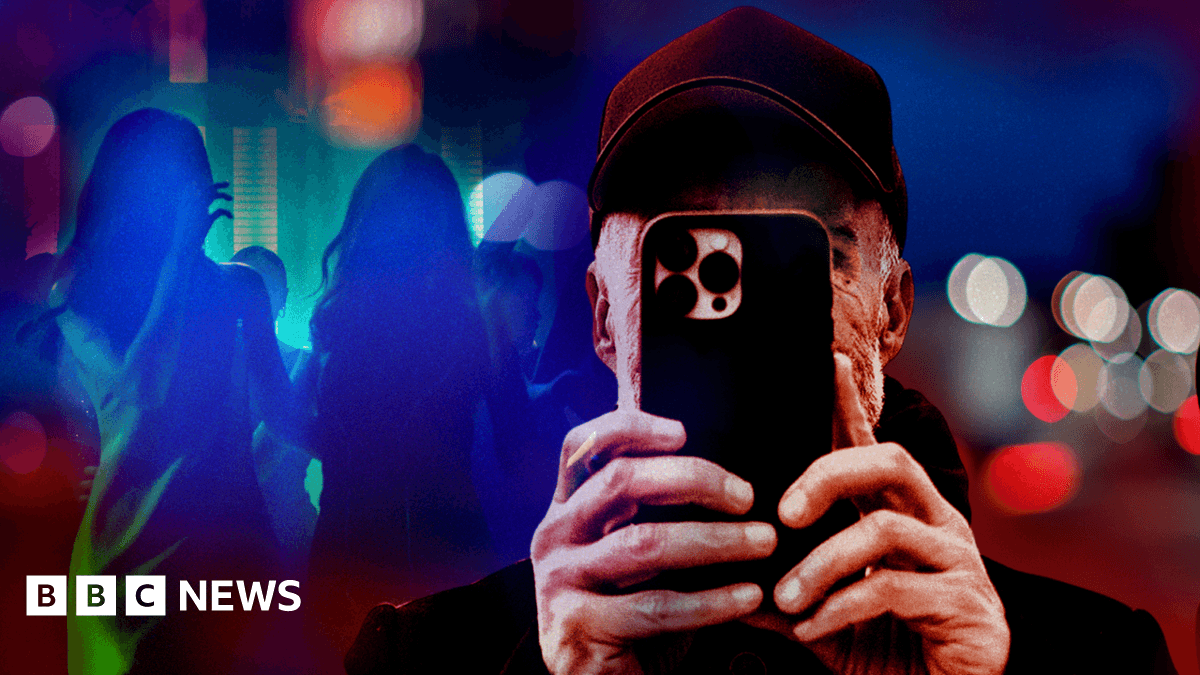
The videos focus almost exclusively on women in dresses or skirts, often shot from behind or from low angles, sometimes revealing intimate body parts.
The coverage frames the activity as widespread and commercially successful rather than isolated incidents.
Impact of non-consensual filming
The investigation documents concrete harm to women.
Reporters identified nearly 50 women who had been filmed, many without their knowledge.
Accounts from victims describe feelings of fear, humiliation, and a changed relationship with public life.
For example, the report recounts a 21-year-old woman who said a non-consensual 'skirt-up' shot left her paranoid about leaving the house.
It notes that several victims now avoid going out as a result.
These details emphasize personal and societal impacts beyond the voyeuristic framing of the videos.
Covert filming and tech abuse
An undercover probe in Manchester exposed men actively filming women for profit.
“Men are covertly filming women on nights out, then making money by posting the videos online, a BBC investigation has found”
Investigators linked the footage to multiple accounts, including a local taxi driver and visitors from Sweden, and reported claimed connections to Norway and Monaco.
The report echoes BBC findings that some influencers use wearable technology, such as smart glasses, to record women without consent.
Interior Minister Shabana Mahmud condemned the use of new technologies to facilitate abuse.
Public filming and platform accountability
The investigation says the practice exists in a gray area: filming in public is not automatically illegal, though legal experts told the BBC that many recordings could still breach harassment and voyeurism laws.
The report highlights platform accountability problems — several videos flagged to YouTube remained online, showing friction between law enforcement and content moderation.
This combination of ambiguous legality and slow platform action creates continued risk for women in public spaces.
Non-consensual filming findings
The BBC's findings as presented by vijesti.me portray a large, recurring pattern of non-consensual filming that combines technological facilitation, online monetization and insufficient legal or platform deterrents, resulting in measurable harm to victims and a chilling effect on women's freedom to use public nightlife spaces.
“Men are covertly filming women on nights out, then making money by posting the videos online, a BBC investigation has found”
Because only this single report is provided here, I cannot map how other publications' political leanings, regional focus, or source type would alter emphasis, omit details, or adopt different language.
Readers should note this limitation and seek additional reports for broader comparative perspectives and policy responses.
More on Crime

Hiker Finds Melissa Casias Body in Carson National Forest After Los Alamos Worker Vanished
19 sources compared

Hackers Used Meta AI Support Chatbot to Hijack Barack Obama White House Instagram Account
19 sources compared
Vickrum Digwa Jailed For Life For Stabbing Henry Nowak In Southampton With Kirpan
11 sources compared

Jing S. Dong Charged With Involuntary Manslaughter After Virginia I-95 Crash Killed Five
29 sources compared