Mexico23 December, 20252 min read
Mexican Navy Crashes Medical Plane Into Galveston Bay, Killing Five
This article is an automated aggregation of coverage from news outlets. Our editorials offer in-depth analysis curated by the NewsCord team.
Mexican Navy King Air medical flight crashed into Galveston Bay while approaching Scholes International Airport Eight people aboard: four naval crew and four civilians, including a pediatric burn patient

62 outlets told this the same way.
Outlets did split on Pentagon Lifts Lockdown After Air Quality Issue Tests Find No Hazard →
Humanitarian medical flight crash
A Mexican Navy twin-engine turboprop on a humanitarian medical mission crashed into Galveston Bay on Monday while approaching Galveston Scholes International Airport, officials said. The flight was carrying a young medical patient and others coordinating with the Michou y Mau Foundation to transport children with severe burns to treatment at Shriners Children's Hospital in Galveston.
“A Mexican Navy plane taking part in a medical mission for the Michou y Mau Foundation crashed in foggy conditions near Galveston, Texas, on Monday while transporting a child burns victim.”
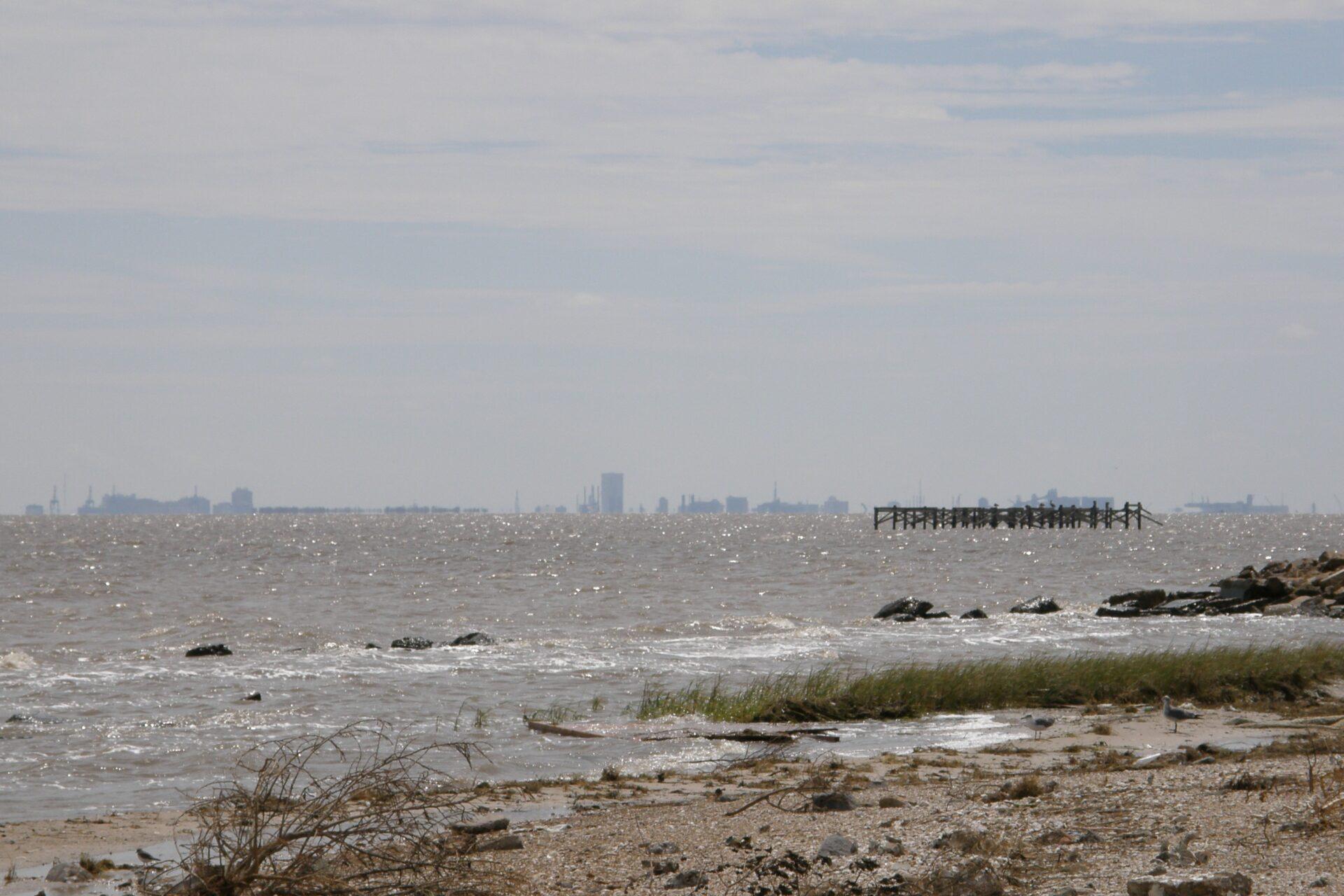
It went down near the base of the Galveston causeway amid foggy conditions. Multiple outlets report the mission and destination consistently, framing the flight as a medical-evacuation operation rather than a routine military sortie.
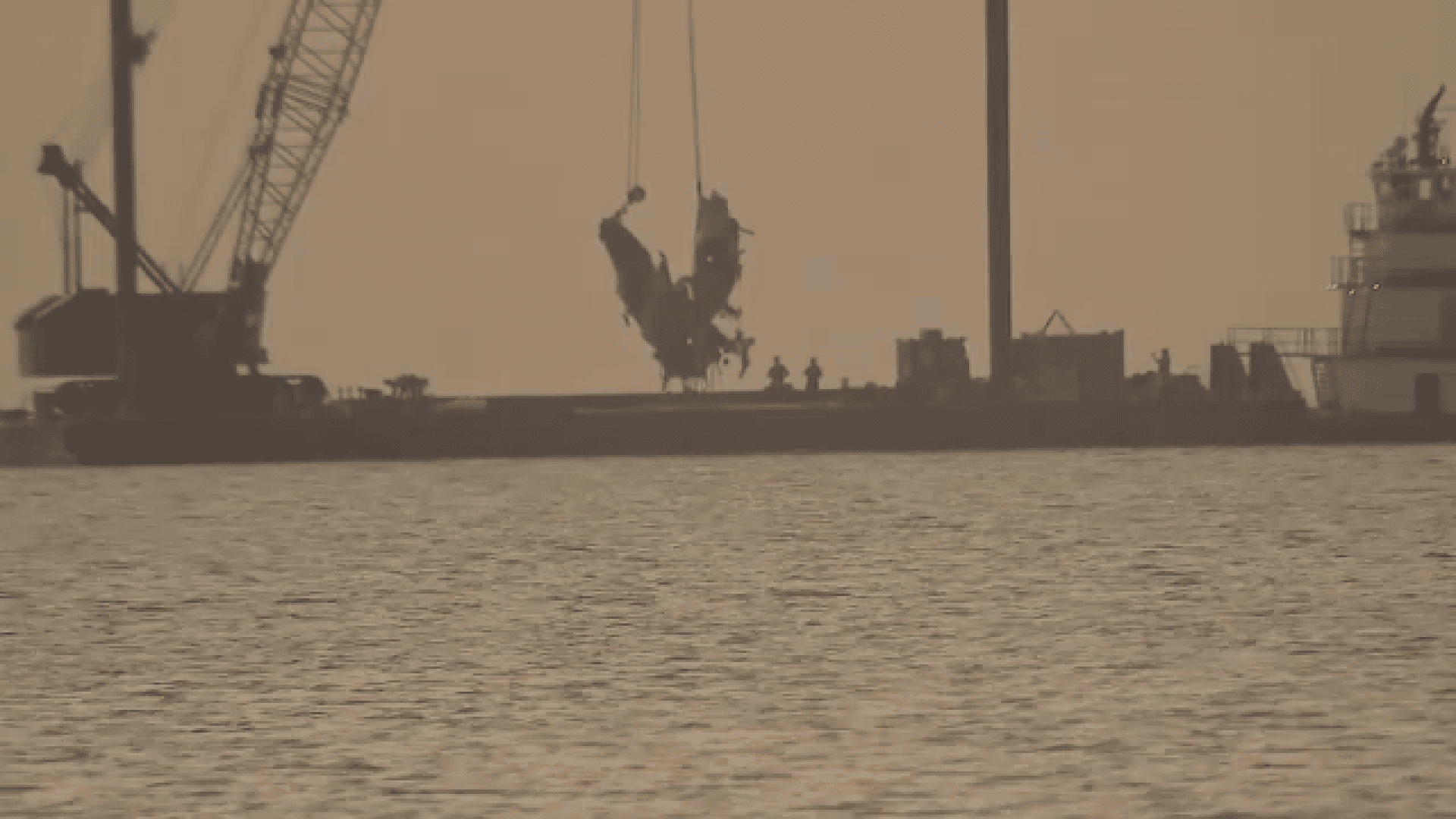
Casualties and status update
Officials and multiple news organizations reported eight people aboard — four Mexican Navy personnel and four civilians — and said at least five were killed. Several outlets identified a two-year-old among the fatalities. They report two people were rescued alive while one person remained unaccounted for.
Casualty figures vary across reports as recovery efforts continued. Coverage notes identities have not been publicly released in full and authorities are still confirming the toll.

Rescue after plane crash
Eyewitnesses and first responders described a chaotic rescue amid thick sea fog and poor visibility. Multiple reports say a local yacht captain, identified in several accounts as Sky Decker, dove to the wreck, pulled an injured woman from an air pocket inside the submerged fuselage, and recovered a man who had already died. Several sources described fuel on the water and debris scattered around the nearly submerged plane, which complicated rescue and recovery operations.
“Eyewitness Sky Decker said he rescued a woman from an air pocket in the wreckage and recovered a deceased man before divers arrived.”
Multiagency crash response
Multiple U.S. and Mexican agencies joined the response and are involved in the inquiry.
Reports name the U.S. Coast Guard, FAA, NTSB, Texas Department of Public Safety and Galveston County sheriff's dive and drone units among responders.
Mexican Navy officials said they are coordinating with consular teams and investigators.
Sources say investigators are reviewing flight-tracking data and that the cause remains under investigation.
Some outlets note that recovery and analysis of flight data and wreckage could take days.
Conflicting early crash reports
Reporting shows some ambiguity and updates in facts as agencies continued recovery. Outlets reported the aircraft lost communications with controllers for a span of roughly ten minutes before the crash. Casualty counts shifted as search-and-recovery continued.
“A Mexican Navy plane carrying eight people — four Navy officers and four civilians (including a child and a young medical patient) — lost communication with air traffic controllers for about 10 minutes before crashing Monday afternoon in a bay near the Galveston causeway, Texas.”
Some sources reported 'at least five' dead, while others later reported six confirmed after a missing person was found. A few earlier accounts gave differing initial numbers. These discrepancies stem from reporting at different times and from different official updates rather than a direct factual contradiction about the incident's basics.
