
Pakistan Opens Six Overland Routes to Iran, Bypassing U.S. Blockade of Iranian Ports
Key Takeaways
- Pakistan opens six overland routes to Iran to bypass the U.S. blockade on Iranian ports.
- Backlog of thousands of Iran-bound containers stranded at Karachi ports to be cleared.
- Effective April 25, transit framework enables third-country goods to Iran via Pakistan.
Transit Routes Activated
Pakistan has opened six overland transit routes for goods destined for Iran, formalising a road corridor through its territory as thousands of containers remain stranded at Karachi port because of the United States blockade of Iranian ports and ships trying to pass through the Strait of Hormuz.
“Islamabad, Pakistan – Pakistan has opened six overland transit routes for goods destined for Iran, formalising a road corridor through its territory as thousands of containers remain stranded at Karachi port because of the United States blockade of Iranian ports and ships trying to pass through the Strait of Hormuz”
The Ministry of Commerce issued the Transit of Goods through Territory of Pakistan Order 2026 on April 25, bringing it into immediate effect, and the order allows goods originating from third countries to be transported through Pakistan and delivered to Iran by road.

Al Jazeera reports that the announcement coincided with Iranian Foreign Minister Abbas Araghchi’s visit to Islamabad for talks with Prime Minister Shehbaz Sharif and army chief Asim Munir, as Pakistan seeks to mediate an end to the two-month war between Washington and Tehran.
In parallel, Arab News says Pakistan allowed Iran to import goods from third countries via new routes through its territory so it could clear a backlog of thousands of Iran-bound containers stranded at Pakistani ports.
The routes link Pakistan’s main ports, Karachi, Port Qasim and Gwadar, with two Iranian border crossings, Gabd and Taftan, passing through Balochistan via Turbat, Panjgur, Khuzdar, Quetta and Dalbandin.
Al Jazeera adds that the shortest route, the Gwadar-Gabd corridor, reduces travel time to the Iranian border to between two and three hours, compared with the 16 to 18 hours it takes from Karachi to the Iranian border.
The same Al Jazeera report says the Gwadar-Gabd route could cut transport costs by 45 to 55 percent compared with costs from Karachi port, while the order does not extend to Indian-origin goods and a separate May 2025 Commerce Ministry order bans transit of goods from India through Pakistan by any mode.
Conflict Timeline and Rationale
The corridor is being activated against a fast-moving backdrop of US-Iran escalation and stalled diplomacy, with the Strait of Hormuz and Iranian ports becoming the central choke points.
Al Jazeera says the current US-Iran war began on February 28, when US and Israeli forces launched attacks on Iran, and that in the weeks that followed Iran restricted commercial navigation through the Strait of Hormuz.
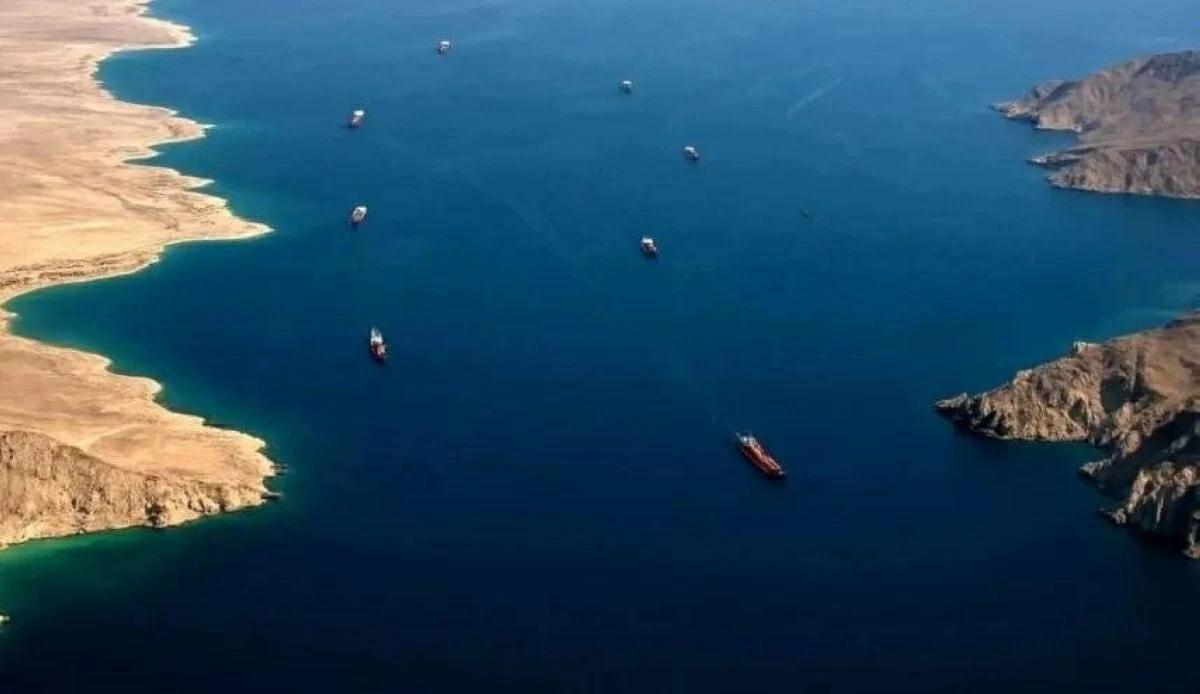
It adds that Pakistan brokered a ceasefire on April 8 and hosted the first round of direct US-Iran talks on April 11 in Islamabad, with negotiations lasting nearly a day but ending without a deal.
Two days later, Al Jazeera reports that Washington imposed a naval blockade on Iranian ports, throttling Tehran’s maritime access, and that a second round of talks has since stalled.
The same report says US President Donald Trump cancelled a planned visit to Islamabad by special envoys Steve Witkoff and Jared Kushner last weekend, while Iran ruled out direct negotiations with Washington while the blockade remains in place.
Al Jazeera also states that Araghchi told Pakistani officials that Tehran would continue engaging with Islamabad’s mediation efforts “until a result is achieved,” framing the transit order as an economic response to that impasse.
Arab News similarly links the new routes to ongoing tensions between the US and Iran that disrupt global shipping lines, saying the commerce ministry’s notification was based on a 2008 agreement between Islamabad and Tehran allowing transport of goods and passengers by road.
It also notes that Karachi Port and Port Qasim together handle more than 90 percent of Pakistan’s maritime trade, and that these ports have become temporary holding points for Iran-bound cargo as shipping lines reroute vessels amid regional security concerns.
Officials, Mediators, and Critics
The decision has been presented by Pakistani officials as a trade-facilitation step, while critics frame it as undermining US pressure on Tehran.
“ISLAMABAD: Pakistan has allowed Iran to import goods from third countries via new routes through its territory so that it can clear a backlog of thousands of Iran-bound containers that remain stranded at Pakistani ports, officials said this week, as ongoing tensions between the US and Iran disrupt global shipping lines”
Al Jazeera quotes Federal Minister for Commerce Jam Kamal Khan describing the initiative as “a significant step toward promoting regional trade and enhancing Pakistan’s role as a key trade corridor”.
It also says Iran has not publicly commented on the move, and that Al Jazeera’s query to the Iranian embassy in Islamabad went unanswered.
Arab News reports that a senior Pakistani official familiar with the development said the commerce ministry’s notification was based on a 2008 agreement between Islamabad and Tehran, and that Iran had not used the facility as it relied on its own ports for trade.
The same Arab News account includes a caution from Tariq M. Rangoonwala, chair of the Pakistan National Committee of the International Chamber of Commerce, who told Arab News: “This has nothing to do with bilateral trade between the two countries,” adding that sanctions continue to restrict financial transactions and formal trade channels.
NDTV adds a sharper US-facing critique by quoting Derek J Grossman, who wrote on X: “Trump admin, you have a problem. Your good friend Pakistan appears to have just opened six overland links to Iran, helping the regime bypass your counter-blockade in the Strait of Hormuz. This will help Iran continue to resist US pressure. Islamabad double deals America...AGAIN!”
NDTV also reports that Derek J Grossman accused Pakistan of undermining “Trump’s strategy of maximum economic pressure,” while the same article says Iranian officials have cast doubt on Pakistan’s neutrality, including Ebrahim Rezaei saying it “is not a suitable intermediary”.
In the diplomatic thread, Al Jazeera says Araghchi told Pakistani officials that Tehran would continue engaging with Islamabad’s mediation efforts “until a result is achieved,” tying the corridor to Pakistan’s mediation role even as the US-Iran talks stall.
Different Framing Across Outlets
While all the reports describe Pakistan opening six overland routes effective April 25, they frame the move differently—either as a logistics fix for stranded containers, a mediation-linked economic breather, or a strategic challenge to US blockade strategy.
Al Jazeera emphasizes the formal legal step and the corridor’s design, saying the order allows third-country goods to be transported through Pakistan and delivered to Iran by road, and it highlights that the Gwadar-Gabd corridor reduces travel time to between two and three hours compared with 16 to 18 hours from Karachi.
Arab News focuses on the port backlog and the operational mechanics of clearing it, saying “around 3,000 Iranian containers have been lying at Karachi and Port Qasim since the crisis began,” and it quotes a port official considering using small vessels to move containers to Gwadar instead of shifting them by road.
ThePrint frames the activation as both peace-brokering and CPEC-linked, saying the move is “a bid to continue its peace-brokering role between Iran and the US” and “activating the China-Pakistan Economic Corridor’s (CPEC) Gwadar port,” while also stating that shipments will move under an encashable bank guarantee.
PressTV presents the same corridor as a collapse of the US blockade, saying “Pakistan formally activated a new transit corridor through Iran on Friday,” and it describes an inaugural shipment including frozen meat bound for Tashkent, Uzbekistan dispatched via CPEC and Iranian overland routes.
NDTV frames the move as punching a hole into Trump’s naval blockade and includes the allegation that Pakistan is “double-dealing” by granting routes that help Tehran bypass the American blockade in the Strait of Hormuz.
Even within Al Jazeera’s own reporting, it ties the corridor to insurance and maritime risk, saying war-risk insurance premiums have surged from about 0.12 percent of a vessel’s value before the conflict to roughly 5 percent, making shipping too expensive for many operators.
Across outlets, the common thread is the same set of ports and border crossings—Karachi, Port Qasim and Gwadar linked to Gabd and Taftan—yet the emphasis shifts between trade facilitation, mediation, and geopolitical contestation.
Implications for Trade and Security
The corridor’s stakes extend beyond clearing containers, with multiple reports describing how it reshapes Pakistan’s regional trade positioning while raising questions about security and sanctions compliance.
Al Jazeera says the corridor signals a shift away from Afghanistan, noting that Pakistan’s relations with the Afghan Taliban have deteriorated sharply, with clashes in October 2025 and again in February and March this year, and that the Torkham and Chaman crossings have ceased to function as reliable commercial routes since tensions escalated.
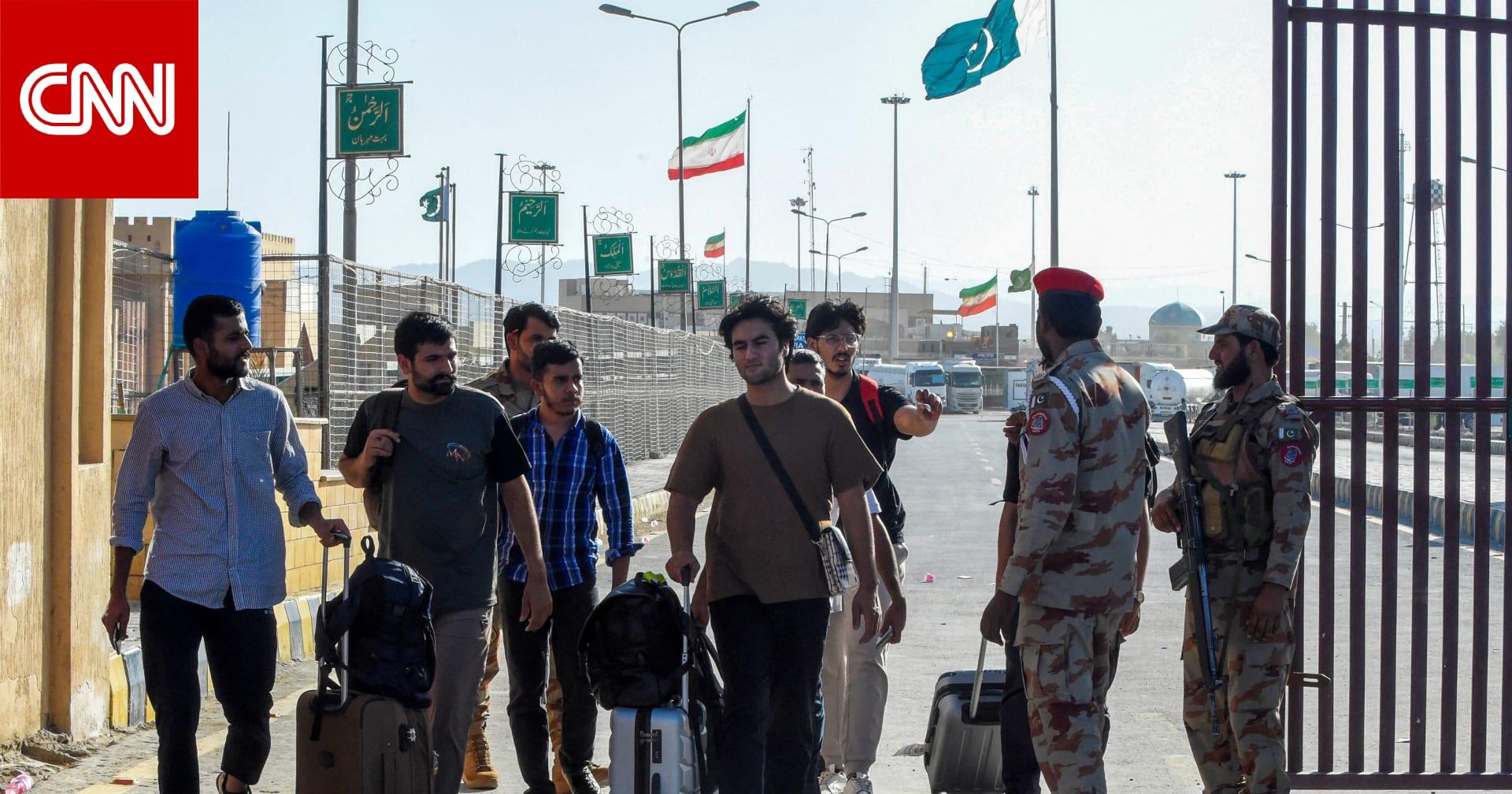
It quotes Iftikhar Firdous, cofounder of The Khorasan Diary, saying, “This is a paradigmatic shift. Pakistan’s relations with the Afghan Taliban, the de facto rulers in Kabul, have no reset switch,” and adding that “Pakistan can now bypass Afghanistan entirely for westbound trade.”
Al Jazeera also frames the corridor as reducing reliance on longer maritime routes through the Gulf, while warning that “Geopolitics, security, and infrastructure will ultimately determine which corridors dominate,” and it places Pakistan as the main overland gateway for China-backed trade.
Arab News adds a practical constraint, saying implementation hinges on Pakistan Customs, with a port official noting that “Customs has to notify policy about handling this cargo and then it will be implemented.”
PressTV argues that the overland shift is strategic for China and Iran, saying for China “the world’s largest oil importer” the opening of overland alternatives carries acute strategic significance, and it states that “China purchases roughly 13 to 15 percent of its crude oil imports from Iran.”
It also claims the US blockade is showing gaps, citing that “several Iranian-flagged vessels under sanctions had sailed out of the Persian Gulf,” while describing Iranian Foreign Minister Abbas Araghchi’s April 23 meetings and a meeting in St Petersburg lasting more than 90 minutes.
NDTV, meanwhile, underscores the political risk to Pakistan’s mediation credibility by reporting that Israel’s Ambassador to India, Reuven Azar, expressed doubts about Pakistan’s ability to act as a credible mediator, saying the South Asian was not “trustworthy”.
In the same NDTV report, Ebrahim Rezaei is quoted saying Islamabad “is not a suitable intermediary,” while Al Jazeera ties the corridor to the mediation effort “until a result is achieved,” leaving the next phase dependent on whether the blockade and talks move.
More on Pakistan

Vaibhav Sooryavanshi Smashes 97 as Rajasthan Royals Beat Sunrisers Hyderabad by 47 Runs
14 sources compared
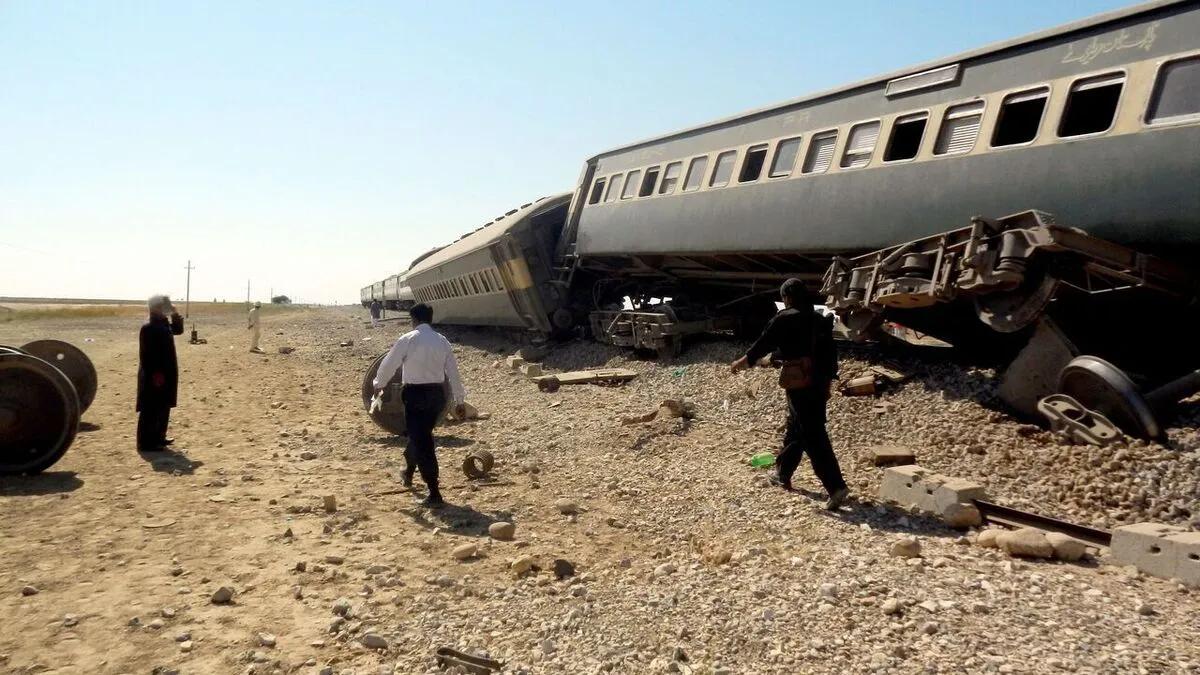
Baloch Liberation Army Suicide Bombing Kills At Least 23 Near Quetta Railway Track
39 sources compared
Pakistan Army Faces Back-To-Back Attacks as TTP and BLA Intensify Violence in Khyber Pakhtunkhwa
12 sources compared
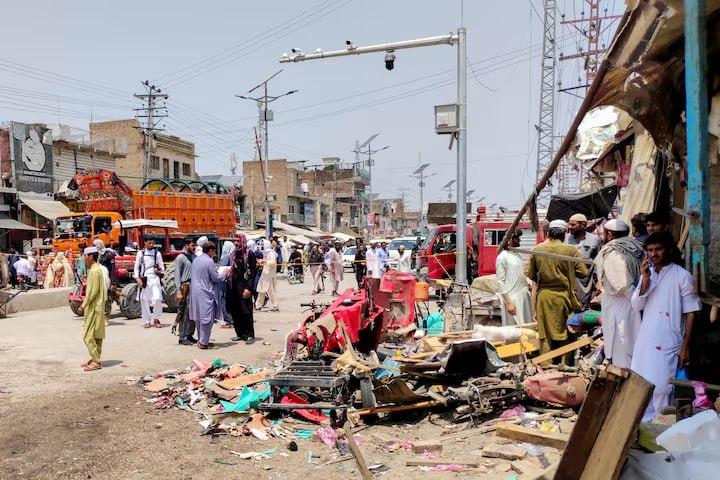
Bomb Rigged To Rickshaw Explodes In Lakki Marwat, Pakistan, Killing At Least Nine
19 sources compared