Mexico06 February, 20262 min read
Mexico Sends Food Aid to Cuba, Defies Trump’s Oil Siege and Tariff Threats
This article is an automated aggregation of coverage from news outlets. Our editorials offer in-depth analysis curated by the NewsCord team.
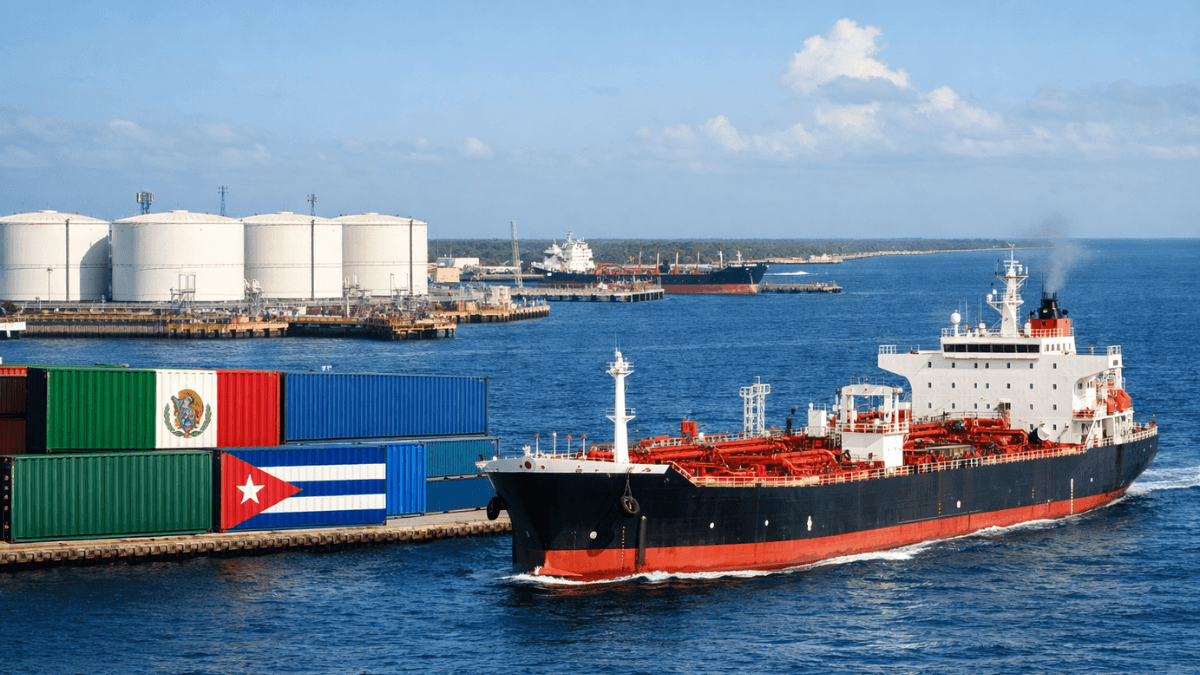
Mexico will ship humanitarian food aid to Cuba in the coming days. Mexican officials are exploring ways to send fuel to Cuba without U.S. sanctions.
6 outlets told this the same way.
Mexico's aid to Cuba
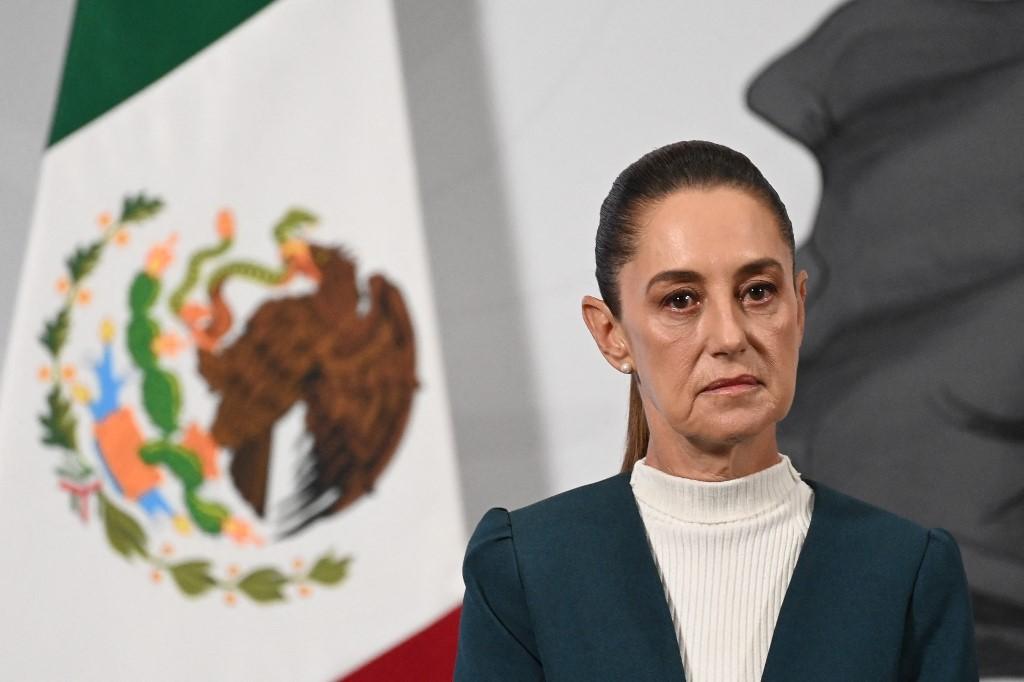
Mexico’s President Claudia Sheinbaum announced that Mexico will send humanitarian aid — 'mainly food and some other supplies' — to Cuba within days as it continues diplomatic talks with Washington to relieve what she called a US 'oil siege'. Officials say Mexico has been supplying fuel to offset shortages after Venezuela stopped shipments. Pemex reports $496 million in oil and petroleum sales to Cuba in 2025, under 1% of its output, and describes those deliveries as humanitarian.
“Mexico will send humanitarian aid — ‘mainly food and some other supplies’ — to Cuba within days, President Claudia Sheinbaum said, while continuing talks with Washington about ways to alleviate a US ‘oil siege.’”
The United States has separately announced additional humanitarian assistance of $6 million to be delivered via the Catholic Church on top of a previous $3 million. Washington has also threatened tariffs on countries that supply oil to Cuba and labeled the island a security threat.

Cuba oil supply dispute
The dispute centers on Washington's threats to cut off or penalize countries that supply oil to Cuba. Sources report that the US has threatened tariffs and taken measures including a national-emergency declaration labeling Cuba a threat. Some outlets say Venezuela has agreed to comply with US pressure and suspend shipments.
Reports diverge on the status of Mexican fuel deliveries. Regtechtimes and CubaHeadlines say Mexico halted shipments in mid-January or that Mexican deliveries were recently halted amid US pressure. Jamaica Observer and Al Jazeera stress Pemex's 2025 sales and Mexico's insistence these are humanitarian, and they say diplomatic efforts are ongoing to restore supplies.
Cuba humanitarian and policy risks
International and humanitarian concerns are prominent in coverage. UN Secretary-General António Guterres warned Cuba's situation could worsen, if not collapse, without oil. Mexican officials, including Sheinbaum, warned that tariffs or sanctions on suppliers would exacerbate shortages in hospitals, food and other basic services.
“The UN warned Cuba’s situation could ‘worsen, if not collapse,’ without oil, and critics say a humanitarian collapse could spur migration toward the US.”
Some outlets highlight migration risks to the United States if a humanitarian collapse occurs, while others focus on practical workarounds. Workarounds include Mexico considering bundling fuel with food and essentials or sending aid labeled strictly humanitarian to avoid being treated as a commercial supplier.
Mexico, Cuba, and US ties
The political calculus is evident across sources: Mexico is balancing economic exposure to the United States — its largest trading partner — against domestic pressure and historical ties that make abandoning Cuba politically fraught. Outlets report near‑daily talks with Washington aimed at clarifying what actions would trigger penalties and seeking a negotiated way to keep providing support.
Some coverage notes a potential compromise of labeling aid as humanitarian and bundling fuel with food to reduce the risk of sanctions. Coverage varies in tone: Regtechtimes emphasizes prudence and clarity-seeking; CubaHeadlines stresses Mexico’s solidarity stance and Reuters-sourced near‑daily talks; Al Jazeera highlights the US national-emergency backdrop and migration concerns.