Mexico12 February, 20262 min read
Mexico Sends Two Humanitarian Aid Ships Into Havana Harbor, Defying U.S. Tariff Threats
This article is an automated aggregation of coverage from news outlets. Our editorials offer in-depth analysis curated by the NewsCord team.
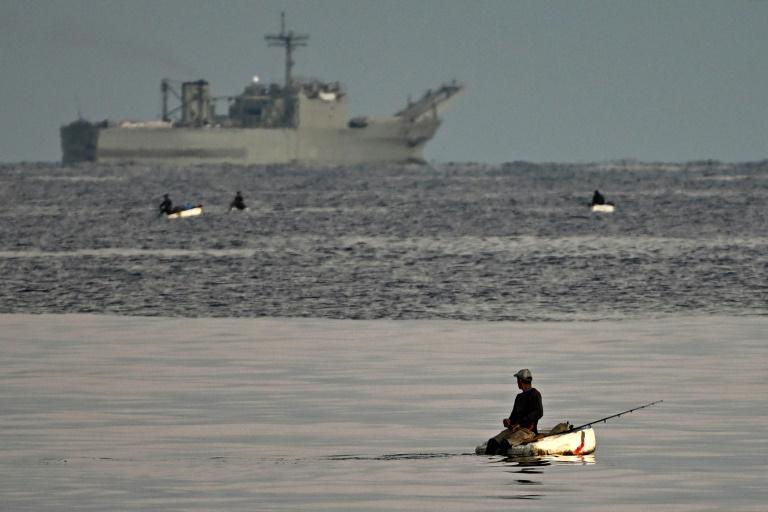
Two Mexican navy ships entered Havana Harbor carrying humanitarian aid. Ships delivered about 814 tons of food and basic non‑oil supplies to Cuba.
8 outlets told this the same way.
Mexico's humanitarian delivery to Cuba
Two Mexican-flagged/navy vessels — the Papaloapan and the Isla Holbox — entered Havana Harbor on Feb. 12, 2026 carrying a coordinated humanitarian delivery to Cuba.
“Two Mexican-flagged ships carrying humanitarian aid entered Havana Harbor early Thursday, a Reuters witness said.”
Reports described roughly 800–814 tonnes of food and basic supplies aboard.

Witnesses said the Papaloapan passed El Morro castle with large white-wrapped pallets on deck as it entered the bay.
EFE reported the first of the vessels arrived at about 8:30 a.m.
The arrival fulfilled a public pledge by Mexico to assist Cuba amid tightened rationing measures announced by Havana.
Mexico humanitarian aid
Reporting across outlets describes the cargo as food and hygiene supplies — fresh and powdered milk, meat, beans, rice, and other hygiene items — presented by Mexico as a humanitarian shipment aimed at easing acute shortages.
Multiple accounts identify the delivery as coming from President Claudia Sheinbaum's government and frame it as an expression of solidarity with Cubans facing cuts to public services and rationing.
Mexico fuel delivery context
All sources place the delivery in a charged geopolitical context. Reporters link the shipments to U.S. warnings about tariffs or sanctions on countries supplying oil to Cuba, and to a wider squeeze on Cuba’s fuel supplies that has prompted power cuts, suspended services and rationing. Mexico’s dispatch is described variously as protest, fulfillment of a pledge, or a diplomatic show of support that seeks to preserve ties and energy links with Havana.
“The shipment, sent by President Claudia Sheinbaum, was presented as a protest against U.S. threats to impose tariffs on countries supplying oil to Cuba.”
Cuban reactions to Mexican aid
Official Havana figures thanked Mexico on social platforms and described the delivery as 'solidarity aid'. Local and regional commentators warned that the shipment is largely symbolic and insufficient to overcome structural shortages. Reporters emphasized the limits of the relief, noting electricity blackouts, fuel shortages and broader economic stresses, and some outlets described the move as diplomatic signaling rather than a solution to Cuba's energy crisis.
Media on Mexican aid
Taken together, the coverage shows a largely consistent factual core: two Mexican vessels delivered staple aid to Havana. Western mainstream outlets report the facts and note the tariff-threat context. An Asian outlet echoes the pledge and ally framing.
“The deliveries fulfil a promise by Mexico — described as a long-time ally of Cuba — to assist after the United States threatened tariffs on countries supplying oil to the island.”
Latin American coverage stresses both the official gratitude and the limited practical impact of 814 tons amid systemic shortages. That mix underscores both the immediate humanitarian gesture and the broader diplomatic signalling between Mexico, Cuba and the United States.