
Middle East War Triggers Global Oil Shock, Prices Surge To Highest Since 2008
Key Takeaways
- Netanyahu opens direct talks with Lebanon as Israel continues strikes on Hezbollah.
- Ceasefire between US and Iran remains uncertain amid continuous regional bombardment.
- Rockets persist from Lebanon as cross-front hostilities complicate diplomacy.
Oil Market Turmoil
The six-week war triggered a global economic shock centered on energy resources.
Crude prices surged to $141 a barrel, the highest since 2008.
Futures contracts for delivery in June remained around $115.
The emergency buffers of global reserves and pre-conflict shipments are being eroded.
The US Energy Information Administration expects a return close to pre-conflict levels in late 2026.
Emerging Markets Suffer
Emerging-market governments in Asia are bearing the brunt of the collateral damage.
In March alone, foreign investors pulled $70.3 billion from emerging market assets.
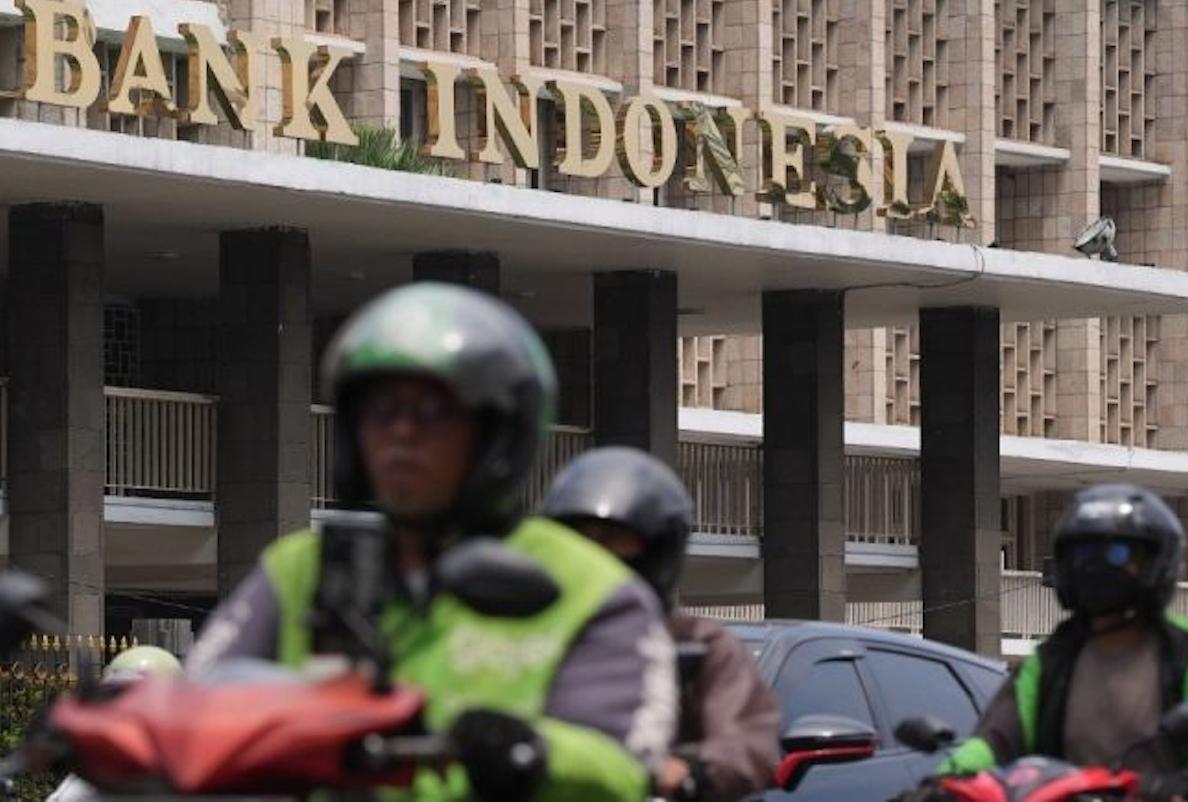
Asia's heavy reliance on oil from the Middle East compounds the economic pain.
The IIF's Jonathan Fortun said the duration of the Iran war is the key variable.
India, Indonesia, Malaysia and Thailand face fiscal pressures from fuel subsidies.
Ceasefire Doubts
Prospects for the survival of a US-Iran ceasefire remain dim.
“It's the ceasefire that wasn't”
Netanyahu appeared to bend slightly, deciding to open direct talks with Lebanon.
He hasn't changed his position that Israel's Lebanese bombing campaign isn't part of the US-Iran deal.
Iranian officials have said the attacks must stop if the Strait of Hormuz is to be fully reopened.
The war began as a campaign against an extreme regime, though objectives shifted.
More on Finance

Donald Trump Orders Halt To All Trade With NATO Ally Spain In Ankara
10 sources compared

easyJet Agrees in Principle to Castlelake’s £6.90-Per-Share Takeover Bid
14 sources compared

Spotify Removes 500,000 Streams From Malcolm Todd’s “Earrings” After Artificial Streaming Findings
20 sources compared
ESMA Warns Prediction Market Event Contracts May Be Banned From EU Retail Sales
12 sources compared