USA28 April, 20267 min read
Mike Johnson Faces GOP Impasse Over FISA 702 Reauthorization Before Thursday Deadline
GOP factions clash over amendments to Section 702 extension. Thursday deadline looms; passage blocked by intra-party divisions.

FISA Deadline Standoff
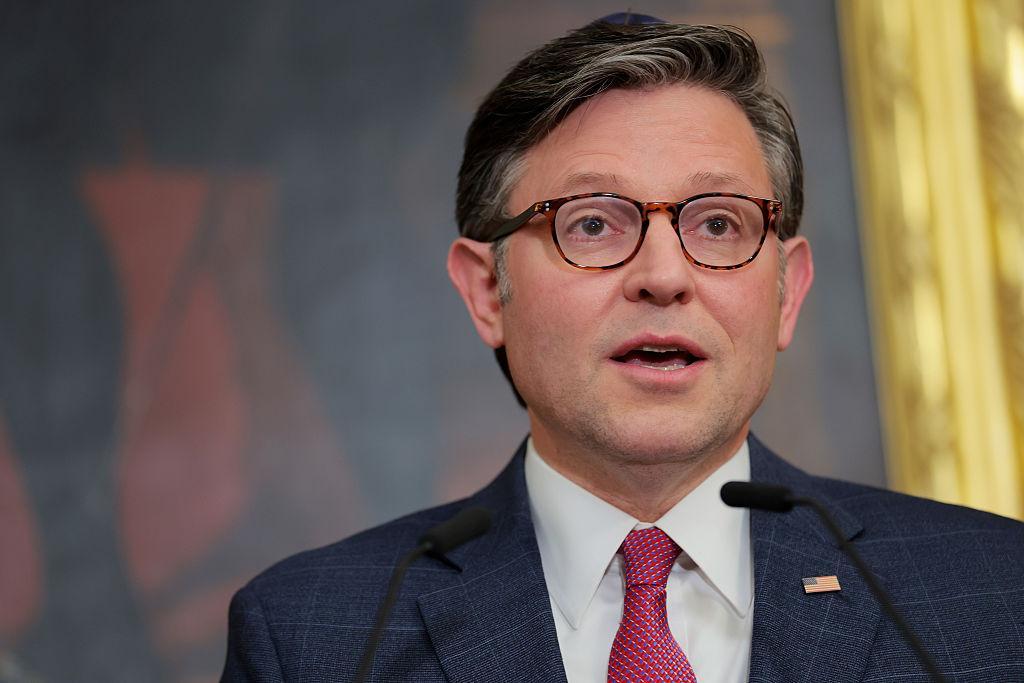
Republicans in the House and Senate are at an impasse over reauthorizing Section 702 of the Foreign Intelligence Surveillance Act before a Thursday deadline, with procedural votes delayed as leaders try to assemble enough bipartisan support to clear both chambers. The Washington Times reports that House GOP leaders “do not have enough Democratic support for their plan,” prompting Senate Republicans to negotiate a different approach that can earn the bipartisan votes needed to advance the measure. The same article says House Freedom Caucus members and other Republicans have threatened to block the FISA authorization bill that Speaker Mike Johnson, Louisiana Republican, released last week, even though the measure included “modest changes” but lacked provisions conservatives demanded.
Those demanded provisions include “a judicial warrant requirement for accessing U.S. citizens’ data” and “a ban on using artificial intelligence as a means of snooping on Americans.” The Washington Times also describes a proposed procedural-rule workaround in which language would automatically add previously House-passed legislation banning the Federal Reserve from issuing a central digital bank currency, or CDBC, to the FISA bill after it passes and before it is sent to the Senate.
Senate Majority Leader John Thune is quoted saying a FISA bill containing a CDBC ban would be “dead on arrival” in his chamber. The Intercept adds that “Twenty Republicans who opposed a procedural vote earlier this month flipped their position on Wednesday to allow a vote on a three-year extension of the law,” and that the final bill passed 235–191, but that the Senate’s prospects for the House version are uncertain because it includes the digital currency ban.
Guardrails, Warrants, and AI
At the center of the dispute is how to add “guardrails” to Section 702 surveillance, including whether agents should face a warrant requirement when querying Americans’ data and whether artificial intelligence should be restricted in surveillance uses.
The Washington Times reports that Senate Republicans are negotiating with Democrats on a potential compromise because “a firm Senate plan for adding guardrails to the law had not materialized,” and it quotes Sen. Ron Wyden, Oregon Democrat, saying, “We would have had the vote today at 11 a.m., but they didn’t have the votes.”
Wyden is described as a longtime proponent for adding privacy shields to FISA, and he argues that “Things like AI and selling people’s location data and the like — we’re not going along with things that put people at risk.”
The same article quotes Wyden proposing a warrant structure in which “If the government says that there’s a danger to America under my warrant system, the government can go get the warrant immediately so that Americans are protected and come back after the fact and settle up so there’s some accountability.”
Senate Majority Leader John Thune is quoted in the Washington Times saying, “You certainly don’t want to impede or impair the ability to gather information that’s vital to national security,” and he says a warrant requirement is “one of many issues involved in the bipartisan discussions.”
The Intercept similarly frames the reform fight around requiring a warrant before government agents can search NSA databases for Americans’ communications, quoting Wyden as saying, “We are spending some time now talking to those who want a bill that shows you can have both security and liberty,” and “and they are not mutually exclusive.”
The Intercept also reports that the House version’s CDBC ban is likely to be rejected in the Senate, noting Thune’s characterization of the ban as “dead on arrival.”
Johnson’s Digital Currency Trade
The Intercept portrays House Speaker Mike Johnson’s strategy as using a central bank digital currency ban as “crypto catnip” to win Freedom Caucus support for a domestic spy law, while emphasizing that the surveillance authority at issue is Section 702 of the Foreign Intelligence Surveillance Act.
It says far-right Republicans in the House, including many Freedom Caucus members, revealed the price of their support for the controversial surveillance law this week, describing it as a “ban on the unrelated and hypothetical possibility that the U.S. government might one day issue digital currency.”
The Intercept reports that “Twenty Republicans who opposed a procedural vote earlier this month flipped their position on Wednesday to allow a vote on a three-year extension of the law that allows government agents to search Americans’ communications without a warrant,” and it notes that the final bill passed 235–191.
It adds that “One of the most prominent backers was Rep. Jim Himes, D-Conn., the ranking member of the House Intelligence Committee,” and that Himes gave a floor speech in support.
The Intercept also quotes Wyden describing the versions of reauthorization on the table as “deeply flawed and unacceptable,” and it says Wyden is pitching colleagues on requiring a warrant before government agents can search through foreign surveillance databases for the communications of Americans.
The Intercept further reports that the Senate was set to hold its own vote on the surveillance bill Tuesday but postponed it, and it says the deadline to renew Section 702 was looming as Congress ultimately passed a short-term extension that expires Friday.
In the same narrative, Sen. Angus King, I-Maine, tells The Intercept, “The last thing I heard is that there was going to be another extension to give us more time to figure it out and get the House to decide what they want to do.”
Broader Surveillance Fight
Beyond Section 702, the sources show conservatives pressing related surveillance and monitoring fights in other policy areas, including vehicle “kill switch” technology and debates over how privacy protections should apply to data collection.
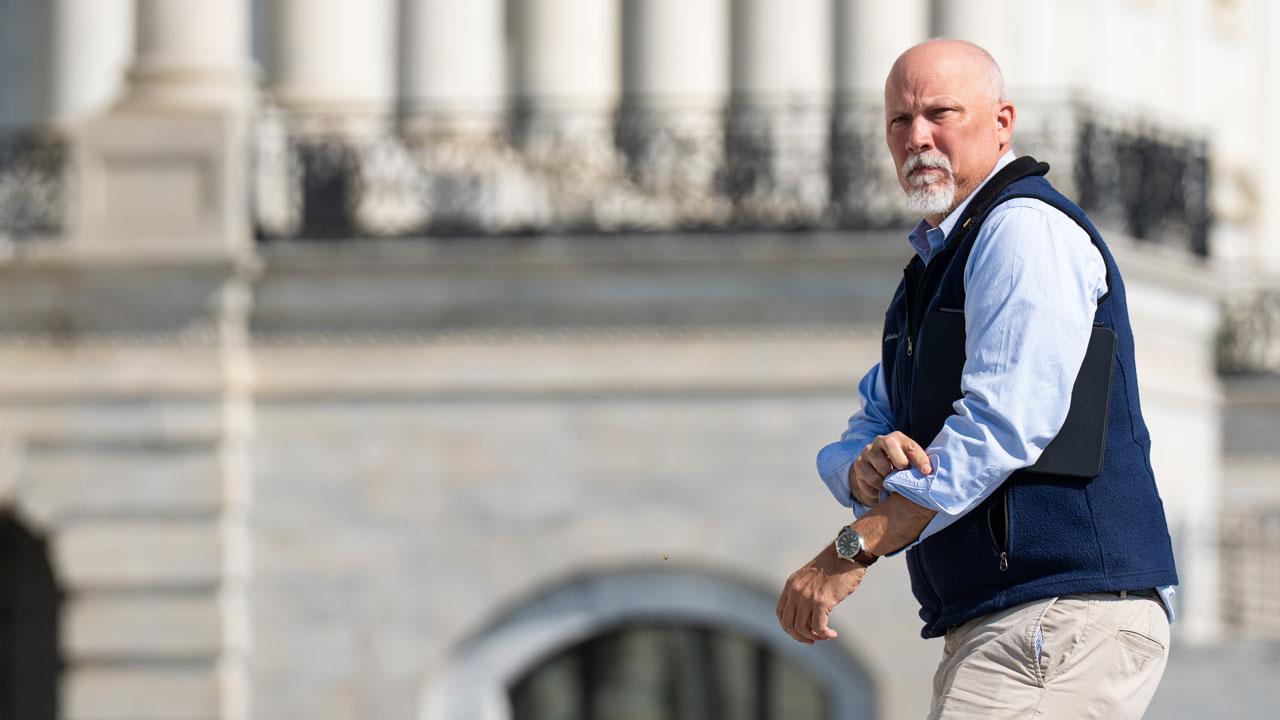
The Daily Signal reports that a member of the House Rules Committee wants to repeal legislation that directs automakers to install surveillance technology on all new vehicles starting in 2027, and it identifies Rep. Chip Roy, R-Texas, as the sponsor of an amendment to repeal the mandate.
Roy is quoted saying the Biden-era mandate poses “a direct threat to our Fourth Amendment rights,” and he tells The Daily Signal, “Republicans should not be continuing a blatantly invasive Biden-era policy that enables round-the-clock monitoring of Americans in their own cars.”
Roy also says, “That’s why I introduced an amendment to FISA to eliminate the ‘kill switch’ and stop this Big Brother technology from being built into new vehicles.”
The Daily Signal adds that Roy’s amendment is his “second attempt at killing the kill switch this year,” and it lists other House conservatives including Reps. Thomas Massie, R-Ky.; Scott Perry, R-Pa.; and Keith Self, R-Texas, as supporting the effort.
Keith Self is quoted saying, “The government should never have the ability to remotely kill your car or anything else you own,” and he argues that when conservatives tried to repeal the mandate, “57 Republicans teamed up with 211 Democrats to stop us.”
The Daily Signal ties the vehicle surveillance mandate to the HALT Drunk Driving Act (Sec. 24220 of the 2021 Infrastructure Investment and Jobs Act), and it says Mothers Against Drunk Driving supported the 2021 bipartisan bill and claims it would save “10,000 people a year” from drunk driving incidents.
TikTok, Crypto, and Data Anxiety
Other parts of the U.S. political and regulatory landscape in the sources also revolve around surveillance concerns, including TikTok’s U.S. ownership changes and a proposed Senate Banking Committee approach to “illicit finance” that would expand Treasury powers. BFM reports that on January 22, 2026, ByteDance ceded TikTok's U.S. operations under pressure from a law passed in 2024 under the Biden administration, and it says the platform is now majority owned by a consortium of investors consisting of Oracle, Silver Lake, and the Emirati MGX fund, with ByteDance retaining a minority stake just under 20%. BFM describes a notification inviting users to review an updated privacy policy and says users are concerned about passages saying TikTok could collect sensitive information such as geolocation data or sexual orientation.
It quotes that TikTok’s new privacy policy specifies that TikTok may process certain sensitive information if users voluntarily share it, including data related to “their geolocation data or sexual orientation,” and it says the app can collect precise location information if users enable location services, while the previous policy allowed collection of approximate location data. The BFM account also says TikTok’s prompts and questions addressed to its AI tools, as well as detailed information on how, when, and where content was generated, are now collected.
In the crypto policy realm, Cryptoast says a Senate Banking Committee working draft could conceal “financial surveillance unseen since the PATRIOT Act,” and it quotes Alex Thorn, Director of Research at Galaxy Digital, warning about “special measures” concerning transactions deemed at risk for money laundering, including “a mechanism for the temporary freezing of transactions without a court order.” Cryptoast also says the draft would expand sanctions and anti-money-laundering obligations to blockchains and to certain DeFi applications, and it frames the potential change as the largest expansion of financial surveillance powers since the PATRIOT Act.