
Missiles Fired From Bahrain Toward Iran, Unclear Who Launched Them
Key Takeaways
- Ballistic missiles launched from Bahrain toward Iran, video verified by The New York Times.
- US-made launcher, potentially HIMARS, used to fire missiles.
- Marks the first confirmed Gulf-origin attack on Iran since the war began.
Bahrain Missile Launch
Ballistic missiles were launched from Bahrain toward Iran in what appears to be the first confirmed attack on Iranian territory from a Persian Gulf country since the war began on February 28.
“Missiles launched from Bahrain toward Iran in possible 1st Gulf-origin attack: Report Video verified by New York Times shows ballistic missiles fired toward Iran as launcher appears to be US-made HIMARS equipment ISTANBUL Ballistic missiles were launched from Bahrain toward Iran, appearing to be the first confirmed attack on Iranian territory from a Persian Gulf country since the war began, the New York Times reported on Friday”
The incident was verified by The New York Times through video footage showing missiles launched from near a residential area and airport in northern Bahrain.

The missiles traveled northeast over the sea toward Iran, marking a significant escalation in regional tensions.
The timing of this incident comes amid heightened military activity across the Middle East as Iran continues to launch widespread missile and drone attacks on Israel and neighboring Gulf states.
Technical Analysis
Video evidence analyzed by defense experts provides technical details about the missile launch, with analysts identifying the launcher equipment as American-made.
The footage, posted on social media on March 7 and verified by the New York Times, shows two missiles being launched into the air, leaving white smoke trails as they head toward Iran.
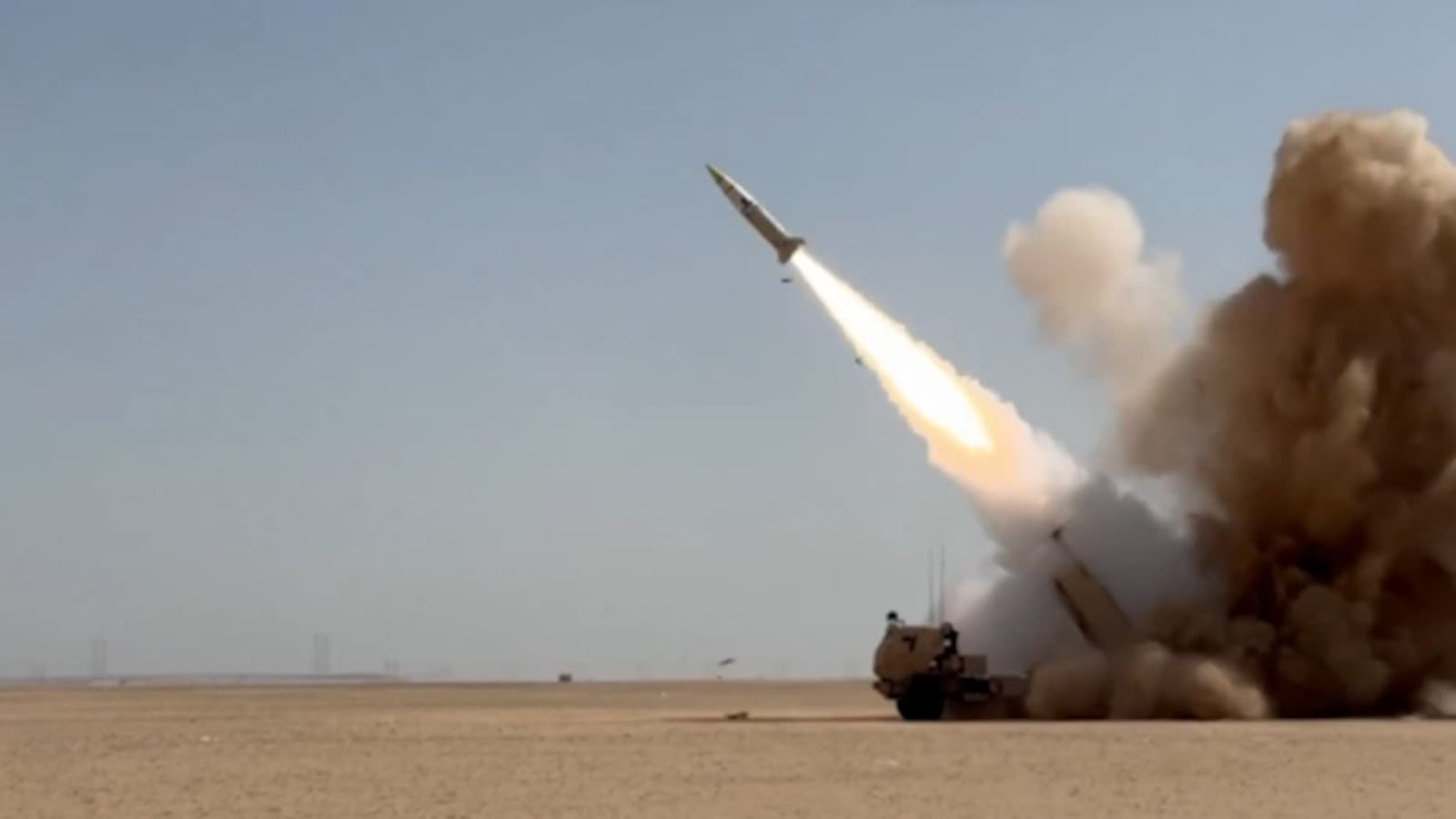
National security analysts who reviewed the footage determined that at least one of the launchers appeared to be a US-made M142 HIMARS truck.
The first missile's launcher was obscured by a building, but the trail of a second missile pointed to another launcher nearby that experts identified as the American military equipment.
The US Army has confirmed that it is using HIMARS in the conflict with Iran, adding complexity to determining responsibility for the Bahrain-based launch.
Bahrain's Position
Bahrain's government has officially denied involvement in any offensive operations following the missile launch incident, creating uncertainty about who was responsible for the attack.
“Ballistic missiles were launched from Bahrain in Iran’s direction, according to a video verified by the New York Times”
In a statement to the New York Times, Bahrain clarified that its military 'has not participated in any offensive operations,' though the kingdom declined to comment on whether the video captured US operations in Bahrain.
This denial comes amid regional tensions where Iran had previously accused Middle Eastern countries of providing their territory to the US for launching strikes against the Islamic Republic.
Most countries in the region have rejected those accusations, stating they would not permit their territory to be used for attacks against Iran.
The uncertainty surrounding responsibility highlights the complex military dynamics in the region, particularly with Bahrain hosting the US Navy's Fifth Fleet headquarters.
Regional Escalation
The missile launch from Bahrain occurs within the broader context of escalating regional conflict, with Iran continuing widespread military operations and effectively closing the strategic Strait of Hormuz through which a fifth of the world's traded oil passes.
Iran has launched thousands of missiles and drones toward Israel and neighboring Gulf states, accusing them of complicity in US military operations.
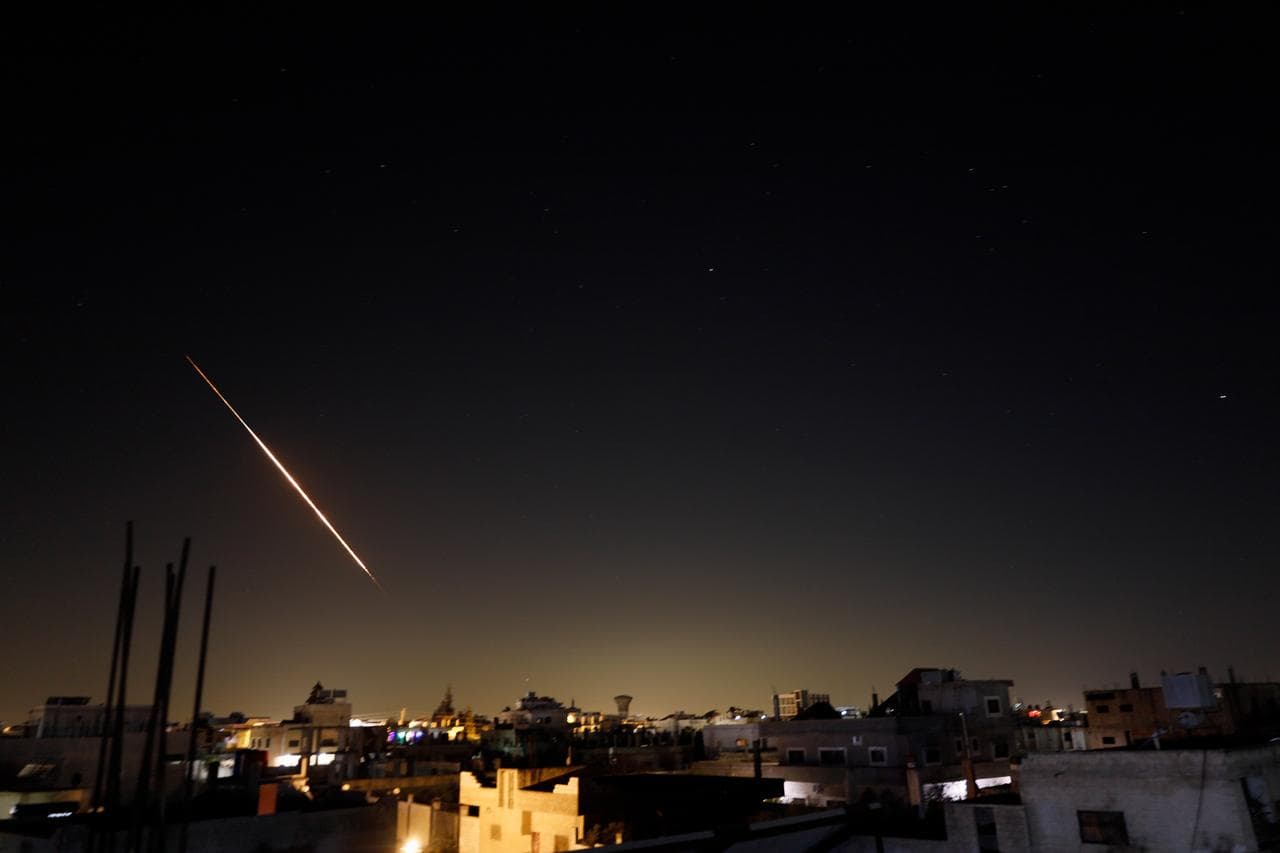
The US Embassy in Baghdad was struck by a missile on March 14, with Iraqi officials confirming the projectile landed within the embassy's boundaries in the heavily fortified Green Zone.
Before this attack, an airstrike had hit a house in Baghdad, killing at least one person.
Iran's Foreign Minister Seyed Abbas Araghchi mocked the US for its changing stance on Russian oil, claiming the administration had spent months bullying India to halt Russian oil imports but was now 'begging the world' to buy Russian crude after two weeks of war with Iran.
Conflict Intensifies
The conflict shows no signs of de-escalation as Iran's Parliament Speaker warned that US strikes on Iranian targets would provoke new levels of retaliation.
“The New York Times (NYT) reported that missiles were fired toward Iran from a U”
Iran's semiofficial Fars news agency reported at least 15 explosions with thick smoke rising over Kharg Island following US strikes, though it claimed no oil infrastructure was damaged.
The strikes targeted an air defense facility, a naval base, the airport control tower, and an offshore oil company's helicopter hangar.
Meanwhile, Iran's Ambassador to India, Mohammad Fathali, stated that Iran would try its best to help stranded Indian vessels, saying 'we believe that Iran and India are friends' and that they have 'common interests, we have common faith.'
The Palestinian militant group also urged regional countries to 'cooperate and stop' the U.S., indicating the conflict's growing regional implications beyond direct military engagements.
More on Iran

Epstein network plots 9/11-style attack to blame Iran, Ali Larijani says
11 sources compared

Iran Drone Attack Hits UAE Fujairah Port, Halting Oil Loading
11 sources compared

FCC chair Brendan Carr Threatens Broadcasters' Licenses Over Iran War Coverage
18 sources compared

US-Israeli strike pounds Iranian city of Hamadan
11 sources compared