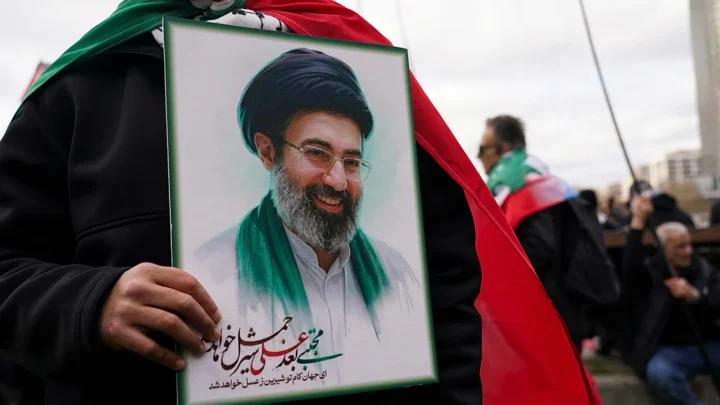
Mohammad Bagher Ghalibaf Urges West Asia And Islamic World To Build New Regional Order
Key Takeaways
- West Asia and Islamic nations should establish a new regional order.
- New regional order should be built on capacities, resources, and peoples.
- U.S. presence in the region creates insecurity.
Baku calls for new order
Iran’s parliament speaker Mohammad Bagher Ghalibaf urged West Asia and the Islamic world to establish a new regional order based on their own capacities, resources and peoples during the 20th session of the Parliamentary Union of the Member States of the Organization of Islamic Cooperation in Baku.
“✕ Home News Analysis Agro-Forestry Art & Culture Technology Economy & Business Education Energy & Extractives Politics Law & Governance Health Science & Environment Social & Gender Sports Transport Urban Development WASH Research LogIn/SignUp Close the sidebar Iran Calls for Regional Unity in Middle East Iran's parliamentary speaker, Mohammad Baqer Qalibaf, emphasized the importance of regional countries determining the Middle East's political and security order”
Ghalibaf said that after the 40-day war against Iran, US influence has weakened and that tensions in the Middle East were created by Israel.

At the same meeting, Turkish counterpart Numan Kurtulmus said, "We stand in solidarity with the Iranian government and people, and Türkiye shares your grief."
Kurtulmus also said the war against Iran lacked international legitimacy, while Ghalibaf framed the effort as region-led security with expanded intra-regional cooperation, rejecting external involvement.
The meeting took place in Baku as Iran and the United States sought to conclude a lasting peace agreement, with Ghalibaf arguing that regional countries alone should determine the Middle East’s political and security order.
Ceasefire linkage and blame
Ghalibaf tied the end of the Lebanon war to Tehran’s push for a ceasefire at home, telling delegates in Baku that "The ceasefire and ending the war in Lebanon is as important to us as the ceasefire and ending the war in Iran," as regional peace talks continued under a recent US-Iran memorandum.
The Yeni Safak English account said the comments were made at an Islamic parliamentary summit in Azerbaijan as regional peace talks continued, and it described the four-day summit as a platform to coordinate Islamic nations’ responses to ongoing aggression.

In a separate account of the same Baku meeting, the Jerusalem Post reported Ghalibaf saying, "The resistance of the Iranian people showed that the era of imposing one's will on independent nations has ended," and it described his remarks as broadcast on state television.
The Jerusalem Post also reported that Ghalibaf called the Islamabad Memorandum of Understanding a declaration of defeat by the United States, while Devdiscourse framed his message as regional unity and rejection of outside interference.
Together, the accounts placed Ghalibaf’s argument in the context of Iran and the United States seeking a lasting peace agreement while Israeli military operations in Lebanon continued, according to the figures cited by Yeni Safak English.
US bases, drones, and blocs
Iran’s Supreme Leader Ayatollah Ali Khamenei said in a written statement marking Eid al-Adha and the Hajj season that the United States will have no safe haven to establish its military bases in the region, adding that "the peoples and lands of the region will no longer be shields for American bases."
Khamenei also said the slogan 'Death to America and Death to Israel' will continue to circulate in Iran and among the Islamic Ummah and the oppressed of the world, especially among the youth, while the statement warned that Washington is gradually losing its influence in the region.
In the same period of heightened tensions, the Iranian Revolutionary Guard announced the downing of an American MQ-9 drone after what it described as a precise intelligence-gathering operation, and it also said it fired on an MQ-4 drone and an American F-35 fighter jet that were attacking the region.
The IRGC said it reserves its legitimate and decisive right to respond to any American violation of the ceasefire agreement, and the Midde East News account said these statements came amid fears of a widening confrontation.
Separately, in a consultative meeting on China affairs, Mohammad Bagher Ghalibaf told the Iranian Chamber of Commerce that "China should realize, and it will realize, that we are not merely a customer or an ordinary trading partner, but a full partner," as he said Iran and China will be present in new regional blocs and alliances.
More on Iran
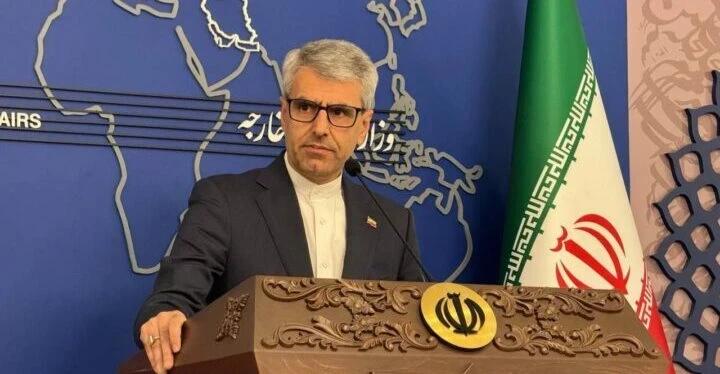
Iran Rejects IAEA Access to Damaged Nuclear Facilities, Deputy FM Kazem Gharibabadi Says
13 sources compared
United States And Iran Continue Nuclear Technical Talks In Switzerland, Seek Final Deal
14 sources compared

Iran Rejects IAEA Inspections Until Final U.S.-Iran Deal After Israel Airstrike Kills Two
38 sources compared

Iran Central Bank Governor Abdolnaser Hemmati Rejects Trump Claim Funds Must Buy US Goods
12 sources compared