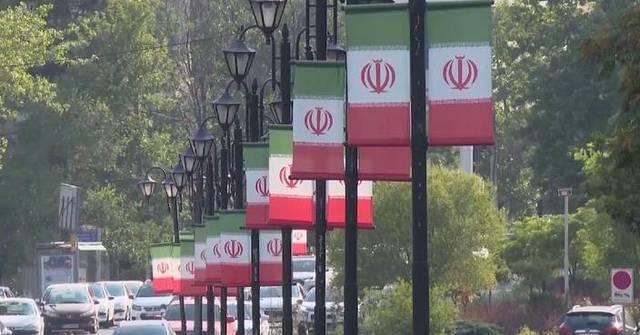
United States And Iran Continue Nuclear Technical Talks In Switzerland, Seek Final Deal
Key Takeaways
- Talks in Switzerland reportedly concluded, paving the way for next-phase negotiations.
- Agreement on future negotiations arrangements includes four working groups.
- Pakistan says talks will resume around June 30.
Talks, inspections, uranium
Technical talks between the United States and Iran are continuing this week in Switzerland as both sides work toward a final nuclear deal, with a central White House priority being to ensure Iran never develops a nuclear weapon.
A new memorandum of understanding commits Iran to not producing or developing a nuclear weapon, but Iran’s president says the country will not give up the ability to enrich uranium entirely, a distinction described as central to the negotiations.

John Erath, senior director at the Center for Arms Control and Non-Proliferation, said, "It's a question of principle for Iran," adding that Iran asserts a so-called right to enrich under the Non Proliferation Treaty.
The CBS News report said International Atomic Energy Agency head Rafael Mariano Grossi signaled that Iranian nuclear enrichment sites would be visited by his inspectors, and Grossi told journalists at a news conference from Fukushima Daiichi, "the fundamental thing I would like to remind you" that the memorandum "explicitly states" IAEA supervision.
The CBS News account also said Iran’s chief negotiator told state media that the Strait of Hormuz will "never return to its pre-war conditions" and that Iran will maintain control of the vital waterway.
When talks resume
Pakistan’s Foreign Office said technical-level talks between the United States and Iran were expected to resume next week after a temporary pause, with Foreign Ministry spokesperson Tahir Hussain Andrabi telling reporters that "June 30 remains the most likely date for the talks."
CGTN similarly reported that Pakistan’s Foreign Office spokesperson said the technical-level talks between Iran and the United States will resume next Tuesday after a temporary pause.

In parallel, the Straits Times reported that US Secretary of State Marco Rubio was touring Gulf nations to reassure America’s allies about the deal, which it said excludes Iran’s missile programme.
Rubio told reporters in Kuwait on June 24 that the United States was "not going to do anything that undermines the security of our allies" as negotiations move forward.
The Straits Times also quoted Iran’s top negotiator Mohammad Bagher Ghalibaf saying, "That is why the Islamabad memorandum of understanding became a declaration of America’s defeat," referring to the text finalised through Pakistani mediation.
Working groups and stakes
Al Jazeera reported that Deputy Foreign Minister Kazem Gharibabadi said technical talks in Switzerland with the United States and mediators concluded successfully, paving the way for the next phase of negotiations aimed at ending their more than 100-day war.
“Skip to main content Asia - PacificUS-Israel-Iran War US-Iran technical talks to resume next week, Pakistan says Foreign Minister Dar stresses Strait of Hormuz open, without any fee for passage Islamuddin Sajid 24 June 2026•Update: 24 June 2026”
Al Jazeera said Gharibabadi described arrangements for future negotiations, including working groups and implementation mechanisms, after a high-level committee meeting held on Sunday to monitor the implementation of the Islamabad Memorandum of Understanding signed on June 17.
Mehr News Agency reported that four working groups would be formed covering sanctions termination, nuclear issues, reconstruction and economic development, and monitoring and implementation, and that a contact line would be established among the MoU’s member states for the safe passage of commercial ships through the Strait of Hormuz.
Mehr News Agency also said signed agreements on the release of $12 billion in frozen funds, in two $6 billion instalments, would enter the implementation phase immediately, and it cited Gharibabadi confirming the U.S. side issued a general licence for the sale of Iranian oil, petrochemicals, petroleum products and related services.
In the same broader context, the Straits Times said a key sticking point remains Iran’s nuclear programme, while it reported that IAEA head Rafael Grossi said inspections of Iranian nuclear sites "are going to happen".
More on Iran
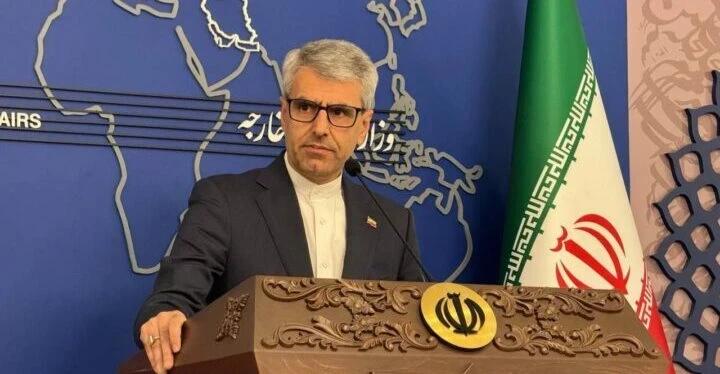
Iran Rejects IAEA Access to Damaged Nuclear Facilities, Deputy FM Kazem Gharibabadi Says
13 sources compared
Iran Rejects IAEA Inspections Until Final U.S.-Iran Deal After Israel Airstrike Kills Two
38 sources compared

Iran Central Bank Governor Abdolnaser Hemmati Rejects Trump Claim Funds Must Buy US Goods
12 sources compared
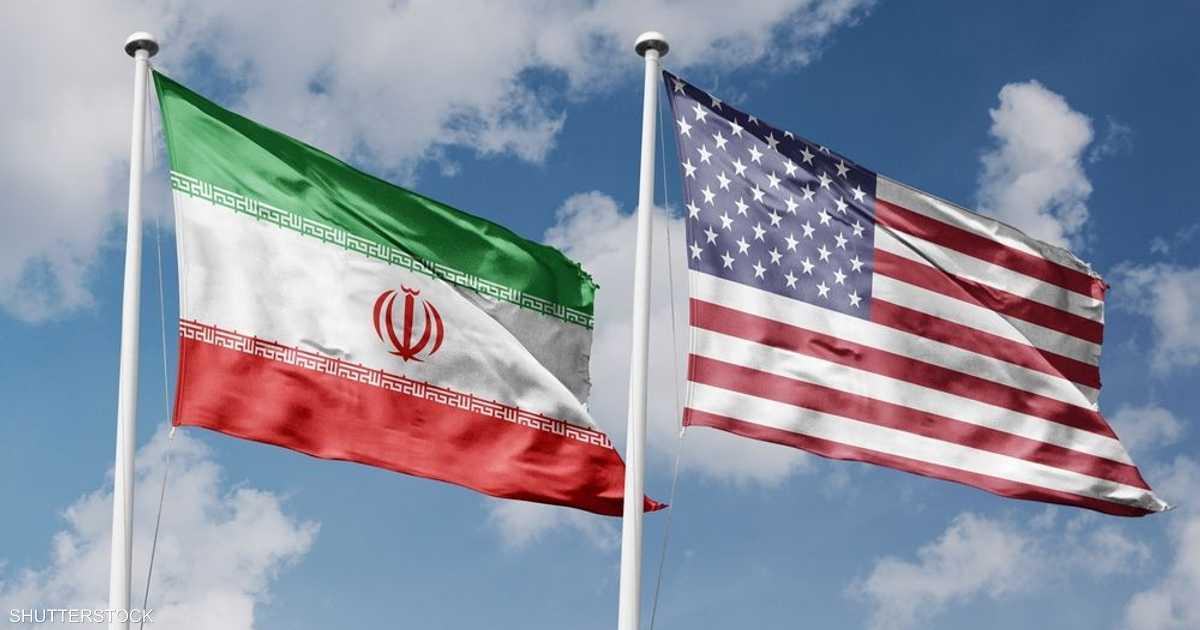
US-Iran Agreement Restarts Strait of Hormuz Shipping, Kpler Shows 172 Vessels Crossing
13 sources compared