US-Iran Agreement Restarts Strait of Hormuz Shipping, Kpler Shows 172 Vessels Crossing
Key Takeaways
- 172 vessels crossed between June 18-23 after US-Iran deal.
- Crossings remain well below pre-conflict average of 138 daily.
- Traffic gradually returning, not yet at normal levels.
Hormuz traffic returns
Commercial shipping through the Strait of Hormuz began to resume after the US and Iran signed an agreement aimed at ending their recent conflict, but traffic remained far below normal levels.
“- Published At least 172 vessels have crossed through the Strait of Hormuz since the US and Iran signed a deal aimed at ending the war, including 42 ships on Saturday alone, according to new data from maritime intelligence firm Kpler”
Maritime intelligence firm Kpler data showed that at least 172 vessels crossed the strategic waterway between 18 and 23 June, including 42 ships on Saturday alone, while the strait typically saw around 138 crossings a day before the conflict.
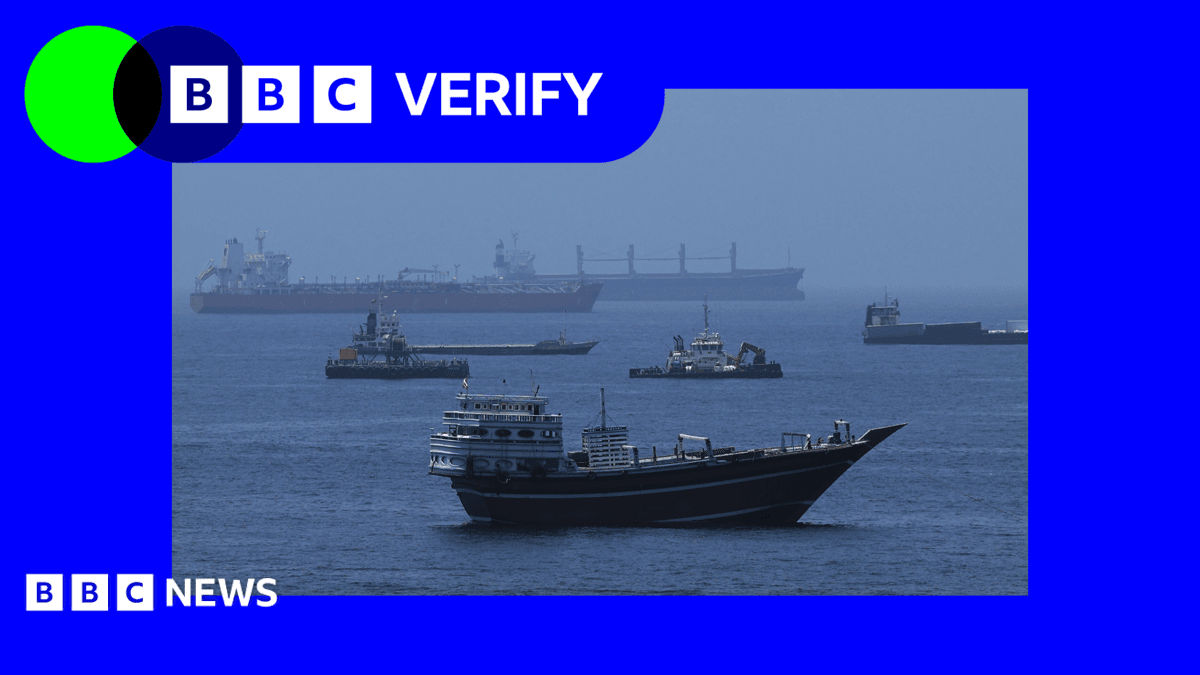
The same reporting said more than 200 tankers were waiting inside the strait and that over 250 tankers and 440 cargo ships remained in the Gulf, with many stationary or anchored as companies proceeded cautiously.
The agreement included a commitment by Iran to ensure the safe passage of commercial vessels for 60 days without charging transit fees, while Iran also said it would work with Oman on future arrangements for managing maritime services in the strait.
Even as oil markets reacted positively with Brent crude prices falling to their lowest level since the start of the conflict, uncertainty persisted because Iran’s Persian Gulf Strait Authority required ships to obtain permits before crossing and the Joint Maritime Information Center warned vessels to avoid central shipping lanes due to sea mines.
Nuclear dispute clouds talks
As shipping activity resumed, the US and Iran traded conflicting claims over nuclear inspections while the UN began efforts to evacuate hundreds of ships from the Persian Gulf.
The International Maritime Organization said an evacuation plan to enable some 11,000 seafarers stranded aboard vessels in the Gulf to sail through the Strait of Hormuz was underway, and IMO Secretary-General Arsenio Dominguez said the “large-scale operation” would unfold in close cooperation with Iran, Oman, other coastal states, the United States and the maritime industry.

Iran’s Foreign Ministry spokesperson Esmail Baghaei told reporters in Tehran that U.N. inspectors were not scheduled to examine the nuclear sites bombed by the U.S. last year, refuting comments made a day before by U.S. Vice President JD Vance.
In response, President Donald Trump posted on social media that Iran had agreed to nuclear inspections long into the future, saying that without this concession “there would be no further negotiations!”
The dispute unfolded alongside a fragile ceasefire that had been tested again in Lebanon, where Israeli gunfire killed two people and Hezbollah said the incident violated the ceasefire, while Israel said it would maintain a security zone and continue to act to “neutralize” threats.
Control, tolls, and permits
Even with traffic picking up, multiple outlets described uncertainty over who controls the strait and whether ships could face tolls, with Fortune saying questions about control and tolls could interfere with negotiations to forge a lasting peace.
“Pakistani and Qatari authorities issued a joint statement announcing the conclusion of the first round of talks, with the participation of the United States, Iran, and mediators Qatar and Pakistan, in Switzerland, noting that “positive atmospheres prevailed at the Lake Lucerne Summit and progress was made, including the establishment of a mechanism for further technical talks”
Fortune reported that Iran agreed not to charge transiting vessels tolls for 60 days, while President Donald Trump suggested the U.S. might impose its own tolls on strait crossings if a final deal was not reached during the countries’ 60-day negotiating period.
CNBC said shipping stalled over the weekend after Iran announced it had again closed the world’s most important oil choke point, and Windward found that a total of 12 ships transited the Strait of Hormuz on Sunday, down from more than 21 the previous day.
CNBC also reported that five of eight inbound vessels were said to be dark, when a ship disables its Automatic Identification System transponder to hide its location, identity and destination.
At the same time, the Maritime Executive reported that with the US-Iran deal signed and tanker flows appearing to be back on the rise, American domestic shipping interests renewed their call for the Trump administration to end its broad Jones Act waiver policy for energy cargoes, with Jennifer Carpenter saying, “It’s time to end the waiver, put Americans back to work.”
More on Iran

Iran Central Bank Governor Abdolnaser Hemmati Rejects Trump Claim Funds Must Buy US Goods
12 sources compared

Naftali Bennett Says Israel Smuggled Starlink Receptors Into Iran To Aid Anti-Government Protesters
12 sources compared

Masoud Pezeshkian Meets Pakistan Leaders, Pledging Deeper Iran-Pakistan Ties And Regional Peace
18 sources compared
Trump Says IAEA Inspectors Will Go To Iran At An Appropriate Time
17 sources compared