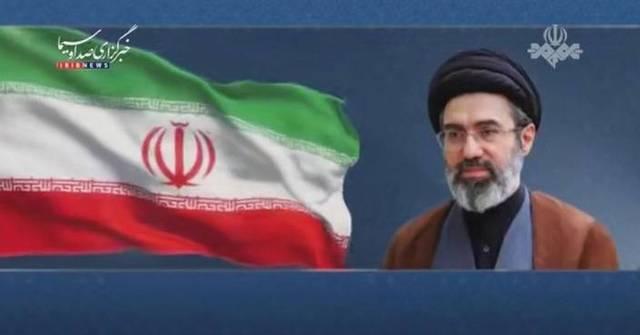
Mojtaba Khamenei Says Regional Nations Will No Longer Shield U.S. Bases
Key Takeaways
- Mojtaba Khamenei, Iran's Supreme Leader, said regional nations will no longer shield U.S. bases.
- Statement issued during Hajj Day of Arafah, per Iranian media.
- U.S. bases in the region will no longer have a safe haven.
Hajj Message, Base Threat
Iran’s Supreme Leader Mojtaba Khamenei said in a message carried by Iranian media on the Day of Arafah that regional nations and territories “will no longer serve as a shield” for U.S. military bases.
“The Supreme Leader of Iran, Mojtaba Khamenei, stated on Tuesday (26) that the region's countries will no longer serve as a shield for American bases, in a statement released by state television”
The statement tied the warning to Iran’s confrontation with the U.S. and Israel, with Khamenei saying Iran “prevent[ed] the enemy from forcing it to surrender” during the 12-day war in June last year and the 40-day war that started in late February.
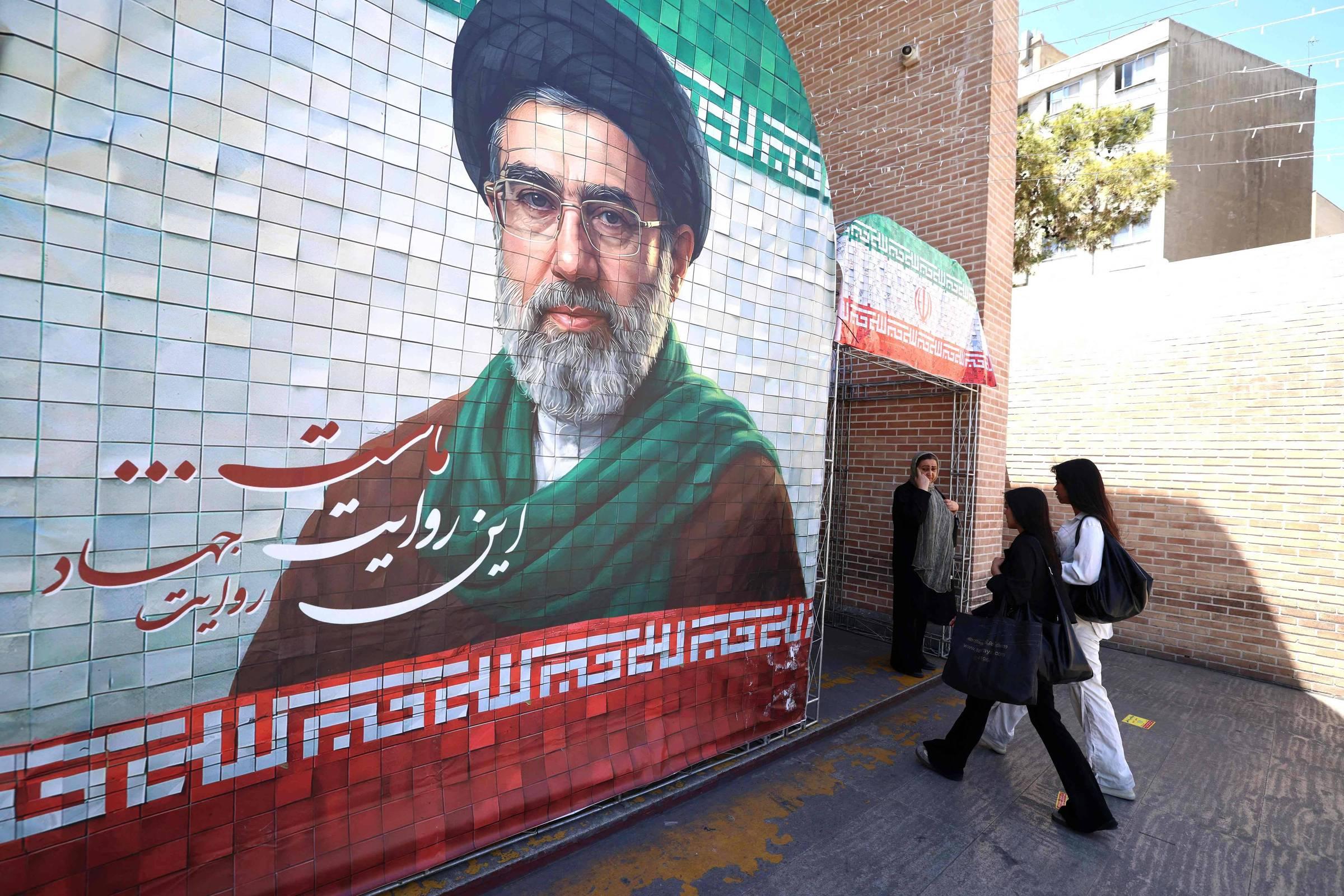
The remarks came as the U.S. military characterized Monday’s strikes in southern Iran as defensive, targeting missile launch sites and minelaying boats, while Iran’s foreign ministry called the strikes a ceasefire violation.
Iran’s Revolutionary Guard said Tuesday that it shot down at least one drone and deterred another drone and a fighter jet that entered its airspace, according to Iran’s official Mizan news agency.
The same reporting said a fragile ceasefire brokered between the warring parties took effect on April 8, after Israel and the United States launched joint attacks on Tehran and other Iranian cities on Feb. 28.
Strikes, Internet, Negotiations
Iran denounced the most recent U.S. strikes as “bad faith and unreliability” as negotiations pressed on toward a possible deal to end the war, and Iranian authorities began restoring internet access after one of the longest nationwide shutdowns ever.
The Inquirer reported that the Islamic Republic began restoring internet access after the shutdown that followed the U.S. and Israel attacks on Feb. 28, and said the outage cost Iran an estimated $30 million to $40 million a day.

U.S. Central Command spokesman Capt. Tim Hawkins told NewsNation that “U.S. forces conducted self-defense strikes in southern Iran today to protect our troops from threats posed by Iranian forces,” and said targets included missile launch sites and Iranian boats attempting to emplace mines.
Iran’s foreign ministry warned that Washington would bear responsibility for “all consequences,” without elaborating, and Iran’s supreme leader used the Hajj message to address the confrontation with the U.S. and Israel.
The Inquirer also said Iranian state TV reported that Iranian Parliament Speaker Mohammad Bagher Qalibaf and Foreign Minister Abbas Araghchi left Qatar, where talks had been taking place, without elaborating on next steps.
Hormuz Stakes and Retaliation
The dispute over the Strait of Hormuz sits at the center of the fragile ceasefire and the negotiations, with the Inquirer saying the strait is where “a fifth of the world’s crude oil and natural gas passed before the war began.”
“On Tuesday, May 26, Iranian media outlets published a written message from the third Supreme Leader of the Islamic Republic”
The Inquirer quoted U.N. Food and Agriculture Organization Director-General Qu Dongyu warning at an event in Rome that “the decisions we make now will determine whether this remains a manageable shock or evolves into a deeper global food security crisis in 2026 and 2027 and beyond.”
Iran’s foreign ministry said U.S. strikes in Iran’s southern Hormozgan province represented a “gross violation” of a tenuous ceasefire, while U.S. Secretary of State Marco Rubio said it could take “a few days” to negotiate a deal to halt the conflict.
The Detroit News reported that an initial agreement would give negotiators 60 days to tackle more complex issues including Iran’s nuclear program, and said Rubio told reporters on his plane in India that the Strait of Hormuz had to be open “one way or the other.”
Iran’s Revolutionary Guards said 25 oil tankers and other vessels had passed through the strait with its permission over the past 24 hours, and the same reporting said the Guards reserved the right to retaliate to the strikes.
More on Iran

Donald Trump Moves Cabinet Meeting From Camp David To White House Amid Iran Talks
11 sources compared
U.S. Strikes Hormozgan, IRGC Threatens Retaliation After Rubio Says Deal Possible
13 sources compared

U.S. Military Launches Self-Defense Strikes In Southern Iran, Targeting Missile Sites And Mine-Laying Boats
15 sources compared

Ayatollah Mojtaba Khamenei Warns Gulf Countries Won’t Shield US Bases After Iran Strikes
13 sources compared