More Than 50 Countries Meet in Santa Marta to Transition Away From Fossil Fuels
Key Takeaways
- 57 countries attended, planning national roadmaps to exit fossil fuels.
- Discussions centered on winding down fossil fuel production globally.
- Described as a platform or initiative to accelerate the energy transition.
Santa Marta’s new climate forum
More than 50 countries gathered in Santa Marta, Colombia, for the First Conference on Transitioning Away from Fossil Fuels, a climate-change initiative co-chaired by the governments of Colombia and the Netherlands.
“Countries attending a first-of-its-kind summit have walked away with plans to develop national roadmaps away from fossil fuels, along with new tools to address harmful subsidies and carbon-intensive trade”
The Santa Marta meeting’s organizers said their forum would discuss practical steps to move away from fossil fuels and was intended to complement the COP process, not replace it.
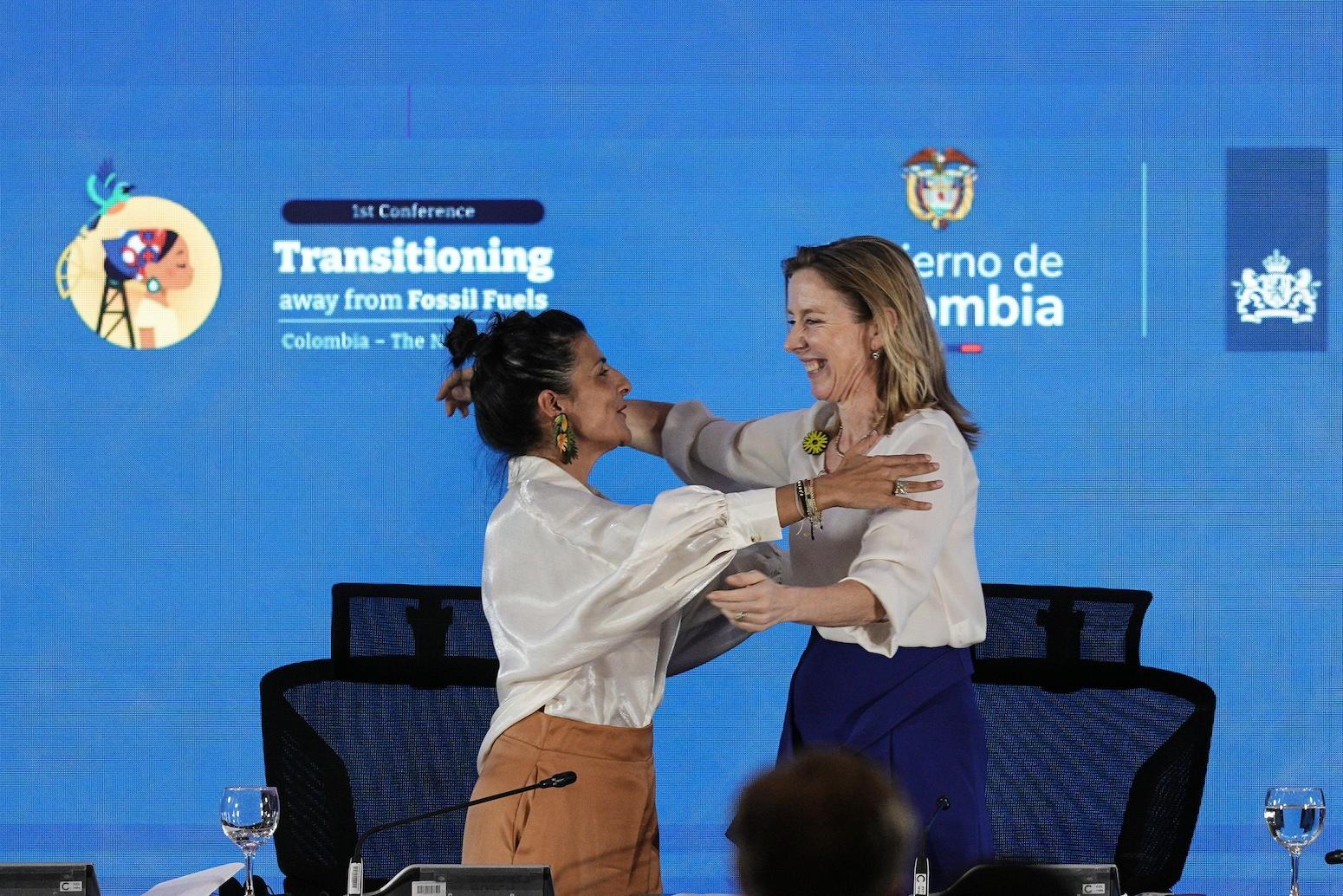
The conference ran from 24-29 April 2026, and Carbon Brief said 57 countries—representing one-third of the world’s economy—debated practical ways to move away from coal, oil and gas.
In Santa Marta, Colombian environment minister Irene Vélez Torres told journalists, “We need to go back to science and base our decisions on science.”
Science panels and COP tensions
Nature said the initiative’s strong focus on having scientists lay out a path towards a fossil-free future deserves applause, but warned it must not undermine the scientific structures that inform climate policies all over the world, “most notably the Intergovernmental Panel on Climate Change (IPCC).”
Nature also cautioned that “The United States is in the process of withdrawing from the IPCC,” and said there is a real risk that other countries could follow.

Carbon Brief reported that the event featured a “science pre-conference” attended by 400 global academics, which included the launch of a new science panel to provide agile and bespoke analysis to nations wanting to accelerate their transition away from fossil fuels.
The Guardian framed the Santa Marta talks as a potential turning point, quoting Irene Vélez Torres saying, “This is the beginning of a new global climate democracy,” in closing remarks.
Roadmaps, subsidies, and next summit
Carbon Brief said countries attending the first summit walked away with plans to develop national roadmaps away from fossil fuels, along with new tools to address harmful subsidies and carbon-intensive trade.
“Several European countries expressed their support for the First Santa Marta Conference on the Transition Beyond Fossil Fuels and highlighted the leadership driven by Colombia and the Netherlands in organizing this international space”
At the summit’s conclusion, Tuvalu and Ireland were announced as the co-hosts of the second transitioning away from fossil fuels summit, which will take place in the Pacific island nation in 2027.
EnviroNews Nigeria reported that Climate Action Network International welcomed the step and said it puts governments on notice that civil society will ensure it does not stop here, with Tasneem Essop calling the People’s Summit “three days of commitment, energy, and hope.”
In Santa Marta’s closing framing of what comes next, the International Institute for Sustainable Development said the conference report would be handed over to the COP30 Presidency to inform its roadmap and to the UN Secretary-General, while a coordination group was created to ensure continuity toward the second conference.
More on Technology and Science

Copy Fail Linux Vulnerability Lets Unprivileged Users Gain Root Access via Page Cache Corruption
10 sources compared

Nebraska Governor Jim Pillen Says 18 Americans From MV Hondius Are Monitored After Andes Virus Test
18 sources compared

MV Hondius Captain Thanks Crew After Hantavirus Evacuation From Tenerife, Spain
12 sources compared
UK Deploys Paratroopers And Clinicians To Tristan Da Cunha For Suspected Hantavirus Case
16 sources compared