Britain21 April, 20267 min read
Morgan McSweeney Faces MPs Over Lord Mandelson Security Vetting Pressure
Ex-official behind Mandelson appointment says political pressure to rush security vetting. McSweeney to testify before Foreign Affairs Committee on Mandelson vetting.
Vetting row deepens
Britain’s Mandelson security-vetting scandal widened as the prime minister’s former chief of staff Morgan McSweeney was set to give evidence to MPs on the Foreign Affairs Committee next week about his role in the security vetting of Lord Mandelson. The BBC said McSweeney, who advised the prime minister to appoint Lord Mandelson as the UK’s ambassador to the US, was “likely to face questions about whether he put pressure on civil servants to speed up the vetting.” The BBC also reported that Cat Little, the most senior civil servant at the Cabinet Office, would appear before the committee on Thursday, after telling Sir Keir Starmer that the UK Security and Vetting (UKSV) team had raised concerns about Lord Mandelson but the Foreign Office had still granted security clearance.
“Following Sir Olly’s evidence, the Foreign Affairs Committee has today requested that Cat Little, Ian Collard, Sir Philip Barton and Morgan McSweeney attend and give evidence.”
The BBC said committee chair Dame Emily Thornberry had also asked the Foreign Office’s Chief Property and Security Officer Ian Collard and former Foreign Office top civil servant Sir Philip Barton to give evidence. In parallel, the BBC described how Sir Olly Robbins had accused No 10 of a “dismissive” attitude towards the process, a claim Downing Street denied.

The BBC added that the prime minister effectively sacked Sir Olly last week, expressing anger that the Foreign Office had not told him that Lord Mandelson failed security vetting. The Independent and BreakingNews.ie both said McSweeney was summoned to appear before the Foreign Affairs Committee next week, with Dame Emily Thornberry stating: “Following Sir Olly’s evidence, the Foreign Affairs Committee has today requested that Cat Little, Ian Collard, Sir Philip Barton and Morgan McSweeney attend and give evidence.”
Robbins describes pressure
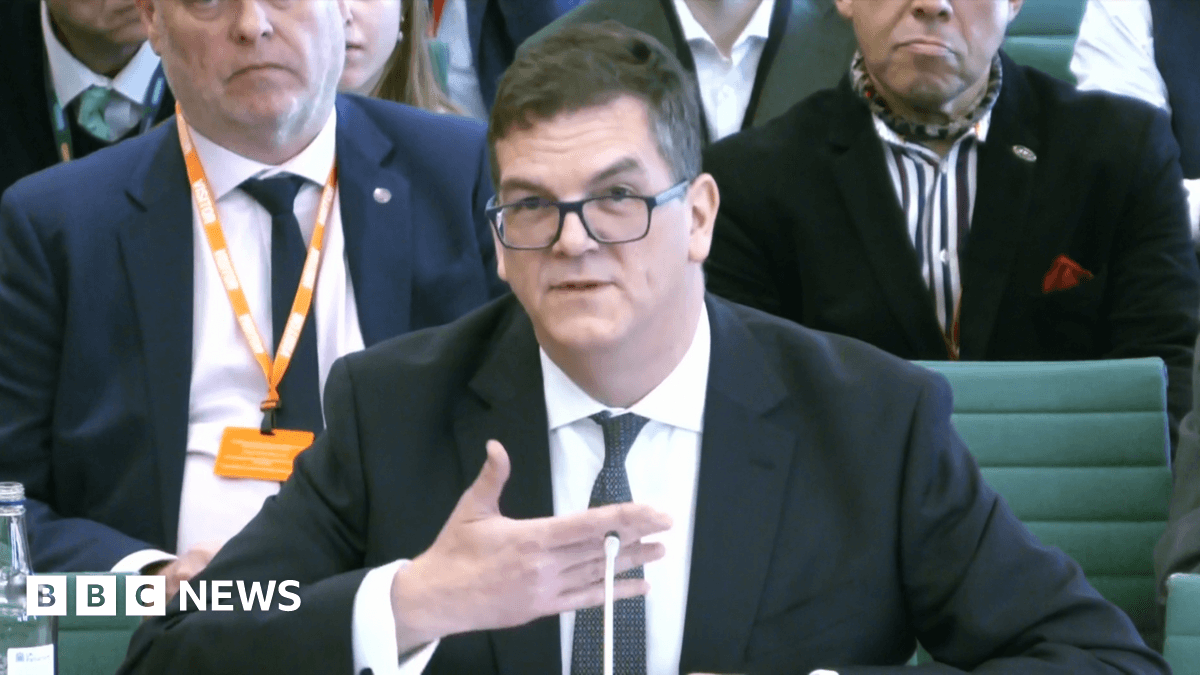
Former Foreign Office head Olly Robbins told MPs that Starmer’s office created an “atmosphere of pressure” and had a “dismissive attitude” toward security vetting for Lord Mandelson. The BBC reported that Sir Olly said he had not seen UKSV documents but had, in an oral briefing, been told that Lord Mandelson’s case was “borderline” and that the risks could potentially be managed, while also saying civil service guidance meant he would not have been allowed to tell the prime minister details of the vetting. France 24 said Robbins told MPs there was a “very strong expectation ... coming from Number 10 (Downing Street) that he (Mandelson) needed to be in post and in America as quickly as humanly possible,” and that “My office, the foreign secretary's office, were under constant pressure, there was an atmosphere of constant chasing.”
ABC News similarly described Robbins’ testimony that he felt political pressure to rush through the appointment despite security concerns, quoting Robbins’ account that Starmer’s office had a “dismissive attitude” to security vetting and that there was “a very, very strong expectation” Mandelson “needed to be in post and in America as quickly as humanly possible.” ABC News also said Robbins told the committee that the vetting agency considered Mandelson a “borderline case” and was “leaning toward recommending against” giving him security clearance, while Robbins decided to clear him anyway.
The BBC said Downing Street denied Robbins’ claim and that the prime minister said if the Foreign Office had told him about vetting concerns “Mandelson would not have been committed to post.” France 24 reported a Downing Street spokesman denied pressure, saying there was “clearly a difference between asking for updates on an appointment process”, and being dismissive about vetting.
Starmer insists he was kept out
Keir Starmer’s defence centred on his claim that he was not told about the security concerns before Lord Mandelson was appointed. France 24 said Starmer told parliament he was unaware that Peter Mandelson was flagged by security checks over his links to late sex offender Jeffrey Epstein prior to his appointment as envoy to the US. The BBC reported that Sir Olly said he had not seen UKSV documents but had been told in an oral briefing that Lord Mandelson’s case was “borderline,” and that under civil service guidance he would not have been allowed to tell the prime minister details of the vetting, only his final decision on the case.
The BBC also said Starmer defended his actions at Prime Minister’s Questions by arguing that if the Foreign Office had told him about the vetting concerns “Mandelson would not have been committed to post.” France 24 said on Monday Starmer told parliament he was “wrong” to appoint Mandelson but accused officials of deliberately hiding information that the Labour politician had been denied security clearance.
ABC News reported that Starmer acknowledged on Monday that he made the wrong judgment when he picked Mandelson for the job, and that he said he would have withdrawn the appointment if he’d known about the failed security vetting. The Times described Starmer’s press secretary saying there was “absolutely no suggestion” that Cat Little’s position was in question, and also said No 10 refused to say whether Starmer had apologised to David Lammy over claims that Robbins was asked to hide talks about finding Matthew Doyle an ambassadorship.
Opposition and Labour split
The scandal has triggered open criticism inside Labour and renewed pressure from opposition leaders, with multiple outlets quoting MPs and party figures. The BBC said Labour MP Jonathan Brash told GB News that “Ultimately, we are in a situation where I don't think anyone reasonably expects the prime minister to lead the party into the next election and I think we have to refocus this government on the priorities of the British people.” BreakingNews.ie and The Independent both reported that Brash’s remarks were part of a wider wave of Labour MPs beginning to criticise Starmer amid the scandal, and they also described how the leaders of opposition parties called for Starmer to resign for misleading MPs about the appointment process.
The BBC quoted Conservative leader Kemi Badenoch saying Sir Olly had been “sacked for the prime minister's own failings” and that his own MPs “know that is not fair.” France 24 reported that Kemi Badenoch urged Labour MPs to hold a vote of no confidence in Starmer during an emergency debate Tuesday.
The Independent and BreakingNews.ie both quoted Badenoch’s argument that “The head of the Foreign Office was sacked for the Prime Minister’s own failings” and that “This was not due process.” The Times quoted Brash again, saying he was “completely fed up to the back teeth of this psychodrama in Westminster” and that “They just need to get a grip.”
What comes next
As the Foreign Affairs Committee prepares for further evidence sessions, the dispute is also being framed as a test of how government departments handle security decisions and internal trust.
“Cat Little will give evidence tomorrow at 9am. ‘Morgan McSweeney will attend Tuesday.’”
The BBC said the committee chair Dame Emily Thornberry had asked Ian Collard and Sir Philip Barton to give evidence, and it described how Cat Little had already told Starmer that UKSV had raised concerns but the Foreign Office still granted clearance.
BreakingNews.ie and The Independent both quoted Thornberry’s scheduling message that “Cat Little will give evidence tomorrow at 9am. “Morgan McSweeney will attend Tuesday.”
The Irish Examiner said it was “highly unusual for Downing Street chiefs of staff to appear before Commons committees even after they have left post,” and described McSweeney’s appearance as likely to be “explosive” as MPs questioned him about allegations that Downing Street put pressure on the civil service.
The Irish Examiner also reported that Robbins told MPs No 10 had created an “atmosphere of pressure” and had taken a “dismissive” attitude to vetting, while the same outlet said Robbins indicated the pressure was mainly from the prime minister’s private office staffed by civil servants.
The Guardian’s panel discussion framed the fallout as a blow to the civil service and relationships between ministers and the civil service, with Alex Thomas saying the fallout would “cast a long shadow over relationships between ministers and the civil service” and that “Olly Robbins’s sacking is another knock to trust at the centre of government.”
The BBC also quoted Lord Butler saying the sacking had done “a great deal of harm,” and Rishi Sunak saying it would damage trust and slow government.