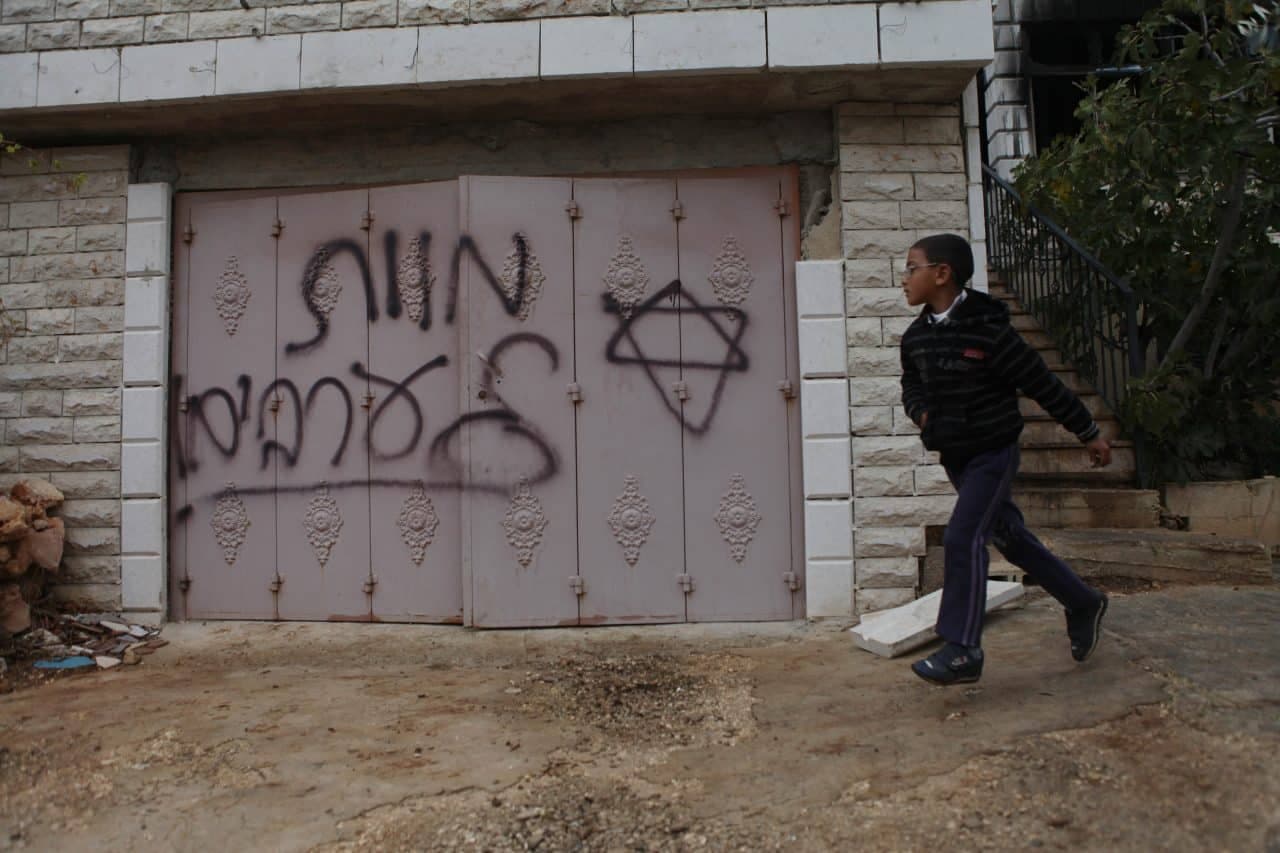
Mowed down with firearms: settler terror in West Bank leaves Palestinians ‘humiliated’ after killing 3 men in village
Key Takeaways
- Three men were killed by settlers in Abu Falah, a Palestinian village northeast of Ramallah.
- Attackers used firearms to shoot villagers during the incident.
- Residents describe humiliation, pervasive fear, and visible tension across Abu Falah.
Attack and Victims
Israeli settlers killed three Palestinian men in the village of Abu Falah, northeast of Ramallah, on the night of March 7.
“The streets of the Palestinian village of Abu Falah, northeast of Ramallah, are quiet”
The victims were Muhammad Murra, 57; Fari’ Hamayel, 55; and Thaer Hamayel, 30.
A few days earlier, settlers killed brothers Muhammad and Fahim Muammar in the village of Qaryut, east of Nablus, and Ameer Shanaran was killed by an Israeli settler in Masafer Yatta of the South Hebron Hills, bringing the total to five Palestinians killed in the West Bank in less than a week.
Eyewitness Sequence
The attack unfolded late at night after the evening prayers during Ramadan, when residents reported dozens of settlers roaming in the fields and then a white pick-up truck arriving with firearms.
Witnesses, including Muwafaq Omari and Civil Defense volunteer Muhammad Abu Karsh, said settlers opened fire into the crowd, chased people back toward the village, and shot between houses, with Muhammad Murra shot in front of his own house and Thaer and Fari’ among the first casualties.
Residents said the Israeli army was nearby throughout the attack, did nothing to stop the settlers, and only entered when the settlers began to withdraw; the army then conducted a raid that lasted until morning using tear gas and stun grenades.
Escalation and Statistics
Residents and local groups described the Abu Falah attack as more coordinated and deadly than previous incidents in the village, which had seen smaller raids primarily targeting farmland and burning wheat and barley crops since settlers established an outpost near the village after October 7.
“The streets of the Palestinian village of Abu Falah, northeast of Ramallah, are quiet”
The article cited data showing a broader rise in settler violence across the West Bank, with 486 attacks recorded in January by Bedouin’s rights defense group al-Baidar and 511 attacks in February reported by the Palestinian Wall and Settlements Resistance Commission.
The article also noted Abu Falah’s location deeper inland amid Ramallah’s central hill country made the attack significant compared with prior incidents concentrated along the eastern edges overlooking the Jordan Valley.
Aftermath and Policy
Mourners gathered for a third-day funeral wake in the public hall, where family members recounted personal losses: Saif Hamayel described the last time he saw his brother Thaer alive, and Yasser recounted speaking to Fari’ during the settler attack.
Residents described "unprecedented" trauma, paralysis of daily life, and a feeling of vulnerability and humiliation at being able to be killed in their town "without consequences, without justice being served," as Muhammad Abu Karsh put it.
The article tied this absence of justice to Israeli government policy, noting that in January National Security Minister Itamar Ben-Gvir allowed 18 additional Israeli settlements in the West Bank to issue firearm permits to settlers, and that in November 2024 the Israeli government cancelled the procedure of administrative detention for Israeli settlers in the West Bank.
After the army left at sunrise, the community observed silence, kept the iftar meal at the funeral hall, and the village streets emptied under the posters of the three victims.
More on Other

Cuban Border Guards Shoot Dead Occupants of Florida-Registered Speedboat; Reports Vary on Death Toll
73 sources compared

Settler Shoots Dead 19-Year-Old Palestinian-American in Mukhmas, West Bank
14 sources compared

Iran Offers Compromise on Nuclear Deal If US Lifts Sanctions
22 sources compared

Donald Trump Sends USS Gerald R Ford to Middle East as Tensions With Iran Grow
102 sources compared