
Senators Grill Mullin in Contentious Hearing for Homeland Security Secretary Nomination
Key Takeaways
- Rand Paul grills Mullin over anger issues and temperament.
- Mullin vows to require judicial warrants before entering homes.
- FEMA will be restructured, not abolished.
Paul-Mullin Clash
The confirmation hearing for Markwayne Mullin's nomination as Homeland Security Secretary was immediately overshadowed by a heated confrontation with Republican committee chair Rand Paul.
Paul challenged Mullin's fitness for the role over past comments appearing to justify political violence against Paul himself.

Paul, who suffered six broken ribs and partial lung removal after being assaulted by a neighbor in 2017, confronted Mullin about remarks calling him 'a freaking snake' and saying he 'understood why' the assault occurred.
Paul questioned whether someone who 'applauds violence against their political opponents' could credibly lead an agency that has struggled with proper use of force.
Mullin defended his communication style as merely 'blunt' and insisted he does not condone violence.
The exchange set an unusually tense tone for a cabinet confirmation hearing, with Paul declaring he would vote against Mullin's confirmation.
Mullin refused to apologize, stating 'I'm not apologizing for pointing out your character.'
Travel Controversy
Lawmakers raised serious questions about Mullin's transparency regarding undisclosed overseas travel and what he described as 'special assignments' during his congressional tenure.
Ranking Democratic member Gary Peters pressed Mullin about travel records tied to Georgia, Azerbaijan, and Afghanistan operations that Mullin had not disclosed to the committee.
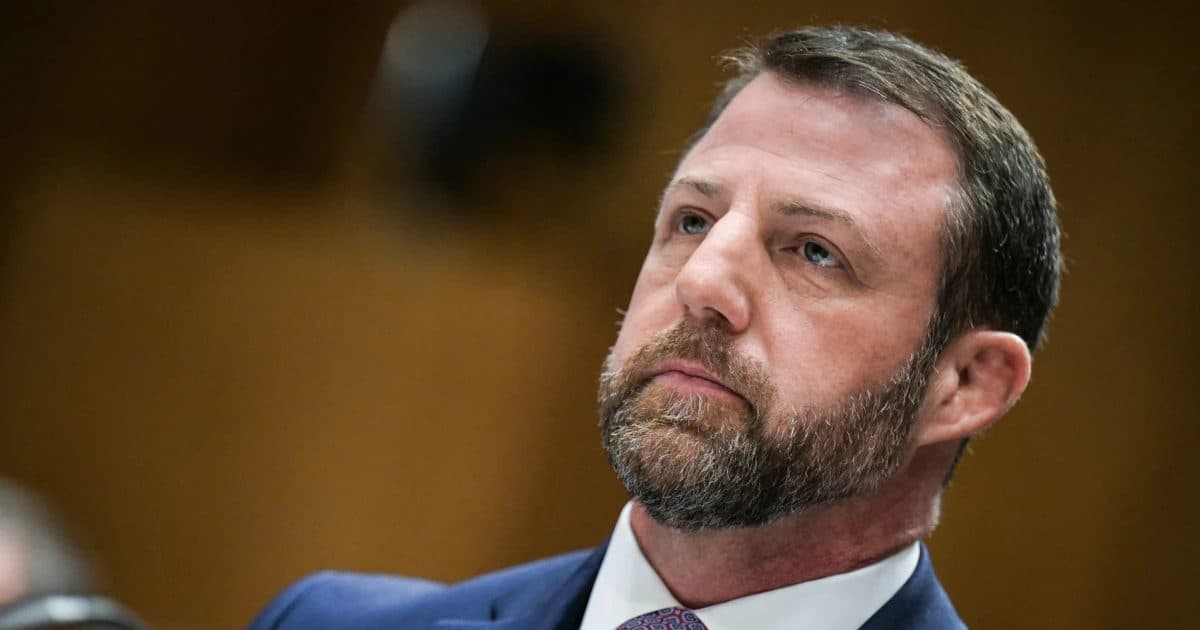
Peters noted that the FBI had no record of Mullin doing classified work for the government, creating questions about Mullin's claims.
Mullin responded that the work involved classified information he could not discuss publicly but agreed to brief senators in a secure setting after the hearing.
The exchange revealed inconsistent explanations from Mullin about his travel, with his fellow Oklahoma senator James Lankford suggesting Mullin was under a non-disclosure agreement related to a whistleblower case.
This issue raised bipartisan concerns about transparency for a nominee seeking to lead a major national-security agency.
Connecticut Democrat Richard Blumenthal stated that 'some of Mullin's answers raise additional questions, and all of them go to his credibility.'
Immigration Enforcement
Mullin faced intense questioning over his past statements regarding immigration enforcement operations, particularly his comments about Alex Pretti, the Minneapolis man fatally shot by federal immigration officers.
Several senators pressed Mullin on whether he stood by calling Pretti a 'deranged individual,' with Mullin eventually retracting those remarks and admitting, 'I shouldn't have said that and as secretary, I wouldn't.'
When asked if he would apologize to the Pretti family, Mullin said he would do so if investigations found his earlier assessment incorrect.
The hearing also exposed deep divisions over immigration enforcement tactics, with Democrats demanding that ICE officers obtain judicial warrants before entering homes rather than using administrative warrants.
Mullin signaled a potential shift in policy, stating that immigration officials 'will not enter a home or place of business without a judicial warrant' unless agents are actively pursuing a suspect inside.
This contrasted with the current administration's practices and offered some hope for reform advocates concerned about constitutional protections being skirted.
FEMA Vision
Mullin presented a different vision for FEMA than his predecessor Kristi Noem, sparking cautious hope among disaster response managers after months of turbulence under her leadership.
The nominee rejected the idea of eliminating FEMA, which President Trump had suggested, and pledged to undo some of Noem's unpopular policies.
Mullin specifically criticized Noem's policy requiring all contracts above $100,000 to wait for her personal approval, calling it 'micromanaging' and noting that it had led to long delays for states desperate for reimbursements.
'Taking years to get reimbursed is not acceptable,' Mullin declared.
While he promised to 'restructure' FEMA to make it more effective and better serve rural communities, he stopped short of providing specific details about what reforms he would actually champion.
This approach offered some reassurance to disaster response professionals who had grown concerned about the future of the agency under the Trump administration.
Crisis Context
The confirmation hearing unfolded against a backdrop of multiple crises confronting the Department of Homeland Security, including a partial government shutdown that had left thousands of employees without pay for over a month.
“Mullin presents a different vision for FEMA, sparking cautious hope President Donald Trump’s nominee to head the Department of Homeland Security presented a softer approach on federal emergency management in his Senate confirmation hearing, rejecting the idea of eliminating FEMA and pledging to undo some of his predecessor’s unpopular policies”
Mullin repeatedly emphasized the urgency of restoring DHS funding, telling senators that 'We have to get DHS funded' and warning that 'we're putting our homeland and the peace of mind at risk for the American people.'
The agency's funding had lapsed on February 13, creating operational challenges that had translated into major delays at airports nationwide as security screeners worked without pay.
Lawmakers from both parties described a rapidly evolving threat environment, citing recent attacks, cyber intrusions linked to Iranian-backed groups, and a recent synagogue attack in Michigan.
'The threats to our nation have never been higher,' senators warned repeatedly.
Mullin positioned himself as someone who could bring stability to the troubled department, stating his goal was that 'we're not in the lead story every single day' under his leadership.
This broader context highlighted the critical importance of the DHS secretary role amid multiple overlapping crises.
More on USA

Lt. Gov. Juliana Stratton Wins Illinois Democratic Senate Primary to Replace Durbin
171 sources compared

César Chávez Faces Sexual Abuse Allegations, Including Rape of Dolores Huerta and Other Survivors
34 sources compared
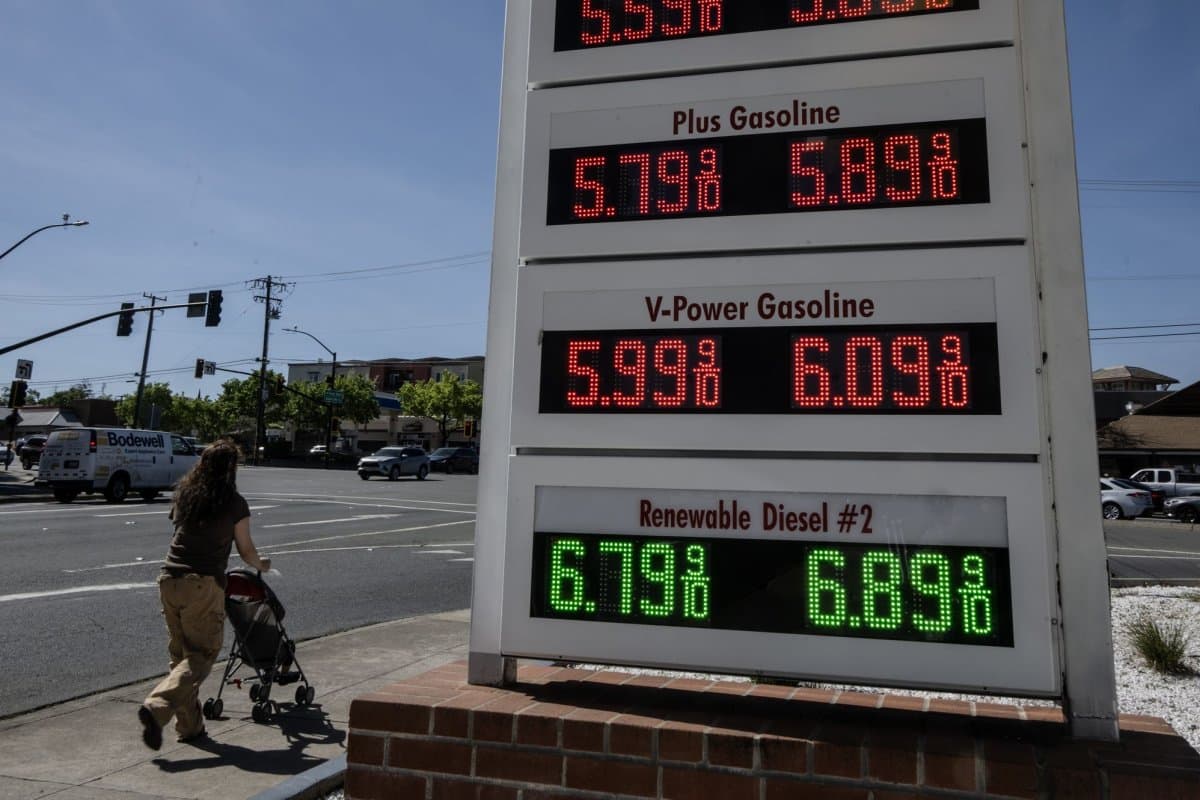
Trump waives Jones Act for 60 days to ease gas prices amid Iran war
16 sources compared

Sexual abuse allegations against Cesar Chavez, farm labor leader, prompt cancellations of Chavez Day events
69 sources compared