
Musk Defrauded Twitter Shareholders, Jury Finds in $44 Billion Acquisition Case
Key Takeaways
- California federal jury found Elon Musk misled Twitter investors during the 2022 $44 billion buyout.
- Damages could reach billions; final amount to be determined later.
- Jurors rejected deliberate fraudulent scheme charges, while finding misled investors.
Jury Verdict Details
A San Francisco federal jury found Elon Musk liable on Friday for defrauding Twitter shareholders by deliberately driving down the company's stock price during the tumultuous period leading up to his $44 billion acquisition.
“On Friday, a jury in California determined that Elon Musk had misled investors in Twitter via public statements that depressed the price of the company’s stock ahead of Musk’s purchase of the service”
The nine-person jury unanimously concluded that Musk's public statements, particularly two tweets in May 2022 where he questioned Twitter's bot statistics and claimed the deal was 'temporarily on hold,' were intentionally misleading to investors.
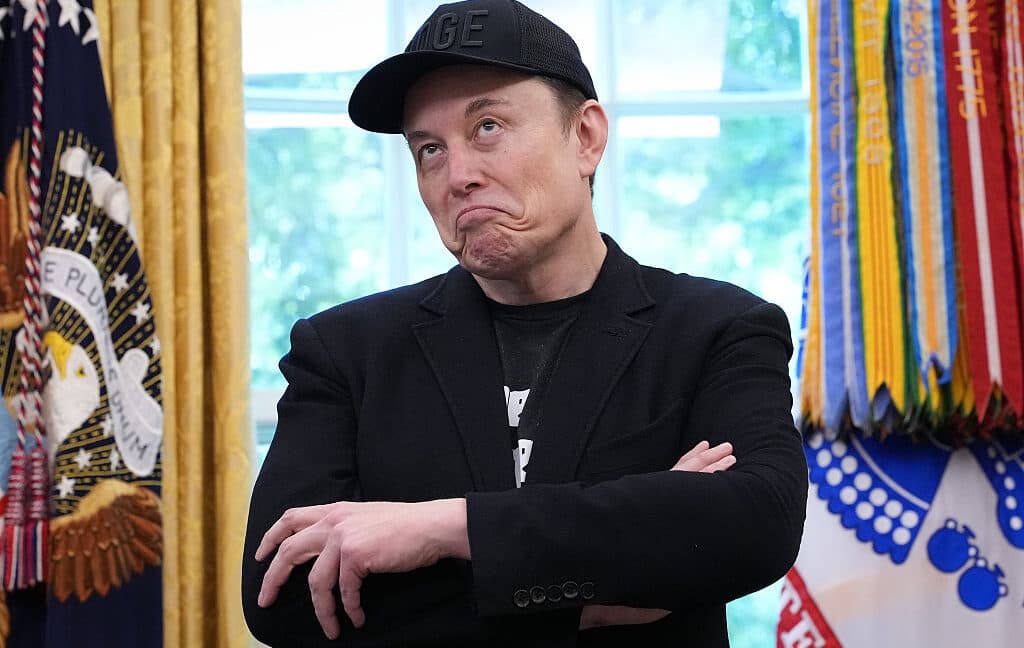
Investors who subsequently sold shares did so at values below the eventual $54.20 per share acquisition price Musk ultimately paid.
Musk used his massive social media platform to falsely claim that Twitter had significantly underreported the number of fake and spam accounts.
Musk claimed estimates suggested 20% or more bots rather than the 5% disclosed in regulatory filings, creating market uncertainty that damaged shareholder value.
Financial Impact and Context
The jury calculated that Musk's statements artificially lowered Twitter's stock price by a range of roughly $3 to $8 per share between May and October 2022.
Damages potentially reaching as high as $2.6 billion according to attorneys representing the plaintiffs.
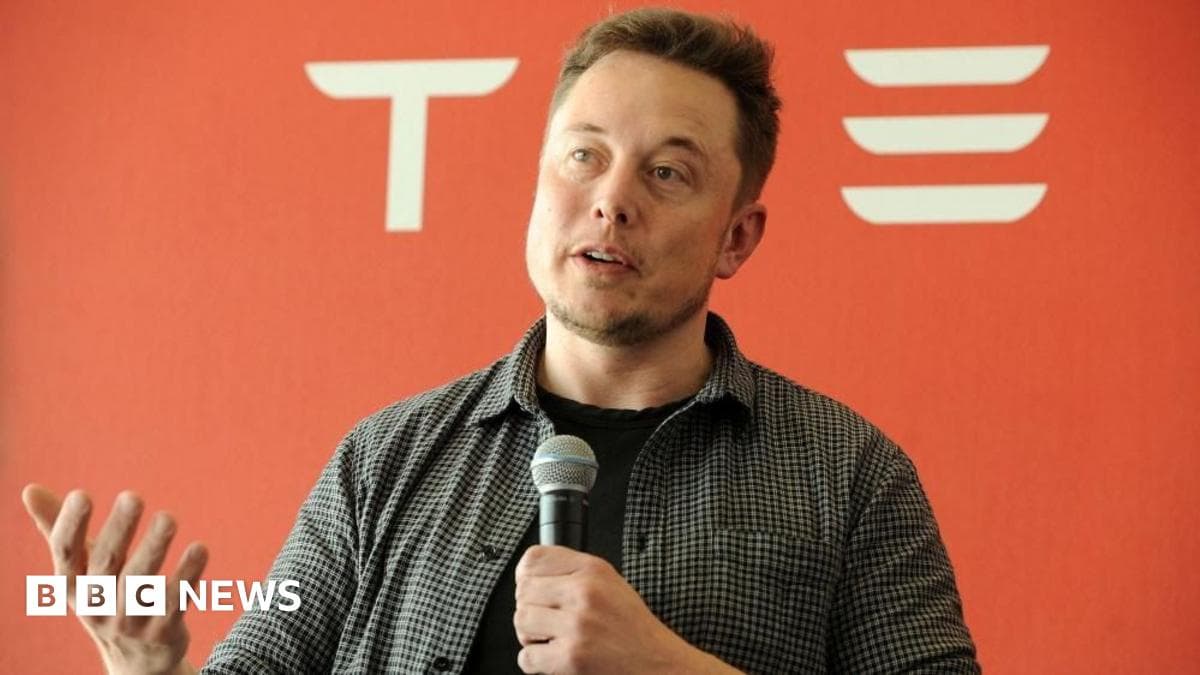
The verdict represents a significant financial risk for Musk, who has a net worth estimated at around $814 billion largely tied to Tesla stock, though the legal impact would be minimal compared to his overall wealth.
Francis Bottini, a lawyer for the shareholders, emphasized that 'Musk's status as the world's richest man is not a free pass,' stating that 'if you're able to move markets with your tweets you're responsible for the harm you cause to investors.'
The ruling marks the first major legal defeat for Musk in recent years, as he previously won similar lawsuits brought by Tesla shareholders in 2023 and has been nicknamed 'Elon the Teflon' for his ability to escape legal challenges.
Trial Proceedings and Musk's Defense
During the trial, Musk defended his actions by testifying that his concerns about fake accounts on Twitter were legitimate.
“Continue without accepting → Logo To support the work of our newsroom and to offer you reliable, high-quality information every day, we and Click on 'Accept' to consent or adjust your choices”
Musk argued that the platform's estimate that fewer than 5% of users were bots significantly understated the problem.
However, the jury rejected his defense and other allegations that he had engaged in a coordinated 'scheme' to defraud shareholders.
The class-action lawsuit, Pampena v. Musk, was originally filed in October 2022 by Giuseppe Pampena on behalf of people who sold Twitter shares between mid-May and early October 2022.
Many of those shareholders were major institutional players, and after trying to back out of the deal, Twitter sued Musk in Delaware to force him to honor the agreement.
He ultimately completed the purchase in October 2022 before renaming the platform X and merging it with his artificial intelligence company xAI and SpaceX.
Broader Legal and Market Implications
The verdict comes amid ongoing legal challenges for Musk, who is separately in talks to settle a U.S. Securities and Exchange Commission civil lawsuit.
The SEC accuses Musk of waiting too long in 2022 to disclose his initial purchases of Twitter so he could buy more shares at low prices before investors saw what he was doing.

Musk's lawyers at Quinn Emanuel Urquhart & Sullivan called the verdict 'a bump in the road' and indicated they plan to appeal.
The case has broader implications for corporate governance and social media accountability.
Monte Mann, a trial attorney, noted that the verdict 'sends a clear message' that 'if you move the market with your words, you own the consequences.'
Some shareholders who sold during the turbulent period suffered significant losses, with one investor, Brian Belgrave, testifying that he 'got screwed' after selling thousands of Twitter shares at a price less than what he'd purchased them for.
More on Business

3,800 UFCW Local 7 workers strike at JBS plant in Greeley, Colorado.
10 sources compared

Senate Passes Bipartisan Housing Bill Banning Institutional Investors From Buying Single-Family Homes
19 sources compared

Senate Passes Bipartisan Housing Bill Banning Institutional Investors From Buying Single-Family Homes
29 sources compared

Lucid Group Reveals Cosmos and Earth Midsize EVs Starting Under $50,000
10 sources compared