Lebanon16 May, 20263 min read
Israeli Airstrikes Kill At Least 19 In Southern Lebanon, Lebanon Health Ministry Says
This article is an automated aggregation of coverage from news outlets. Our editorials offer in-depth analysis curated by the NewsCord team.
Lebanon Health Ministry says Israeli airstrikes killed at least 19 in southern Lebanon. Israel's military had not immediately commented on casualties.
NBC News was read line by line by the Watchdog: 1.8. See the score →
Strikes Kill in Tyre
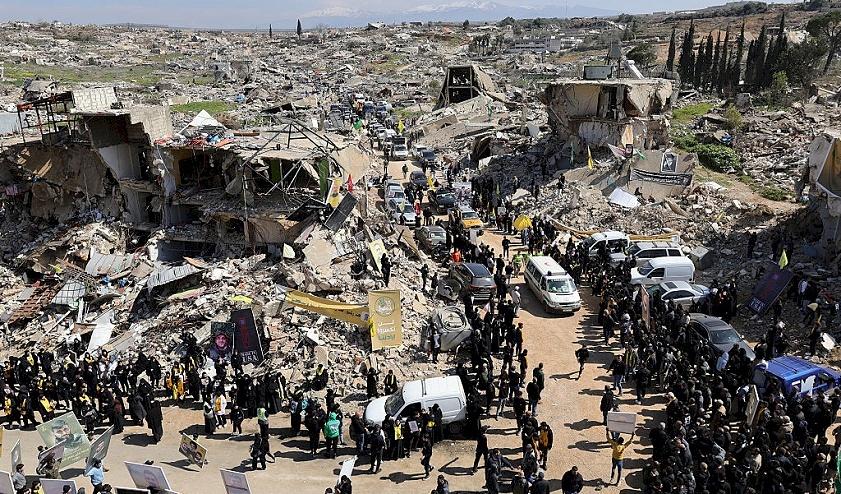
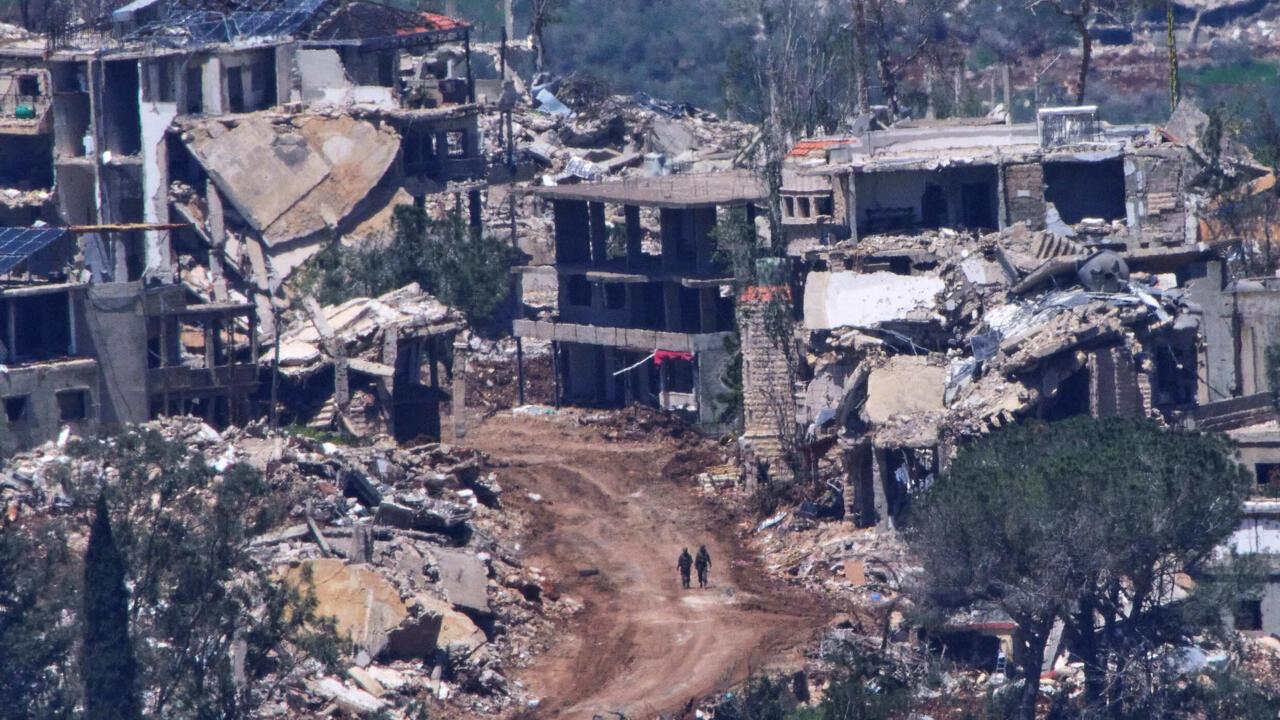
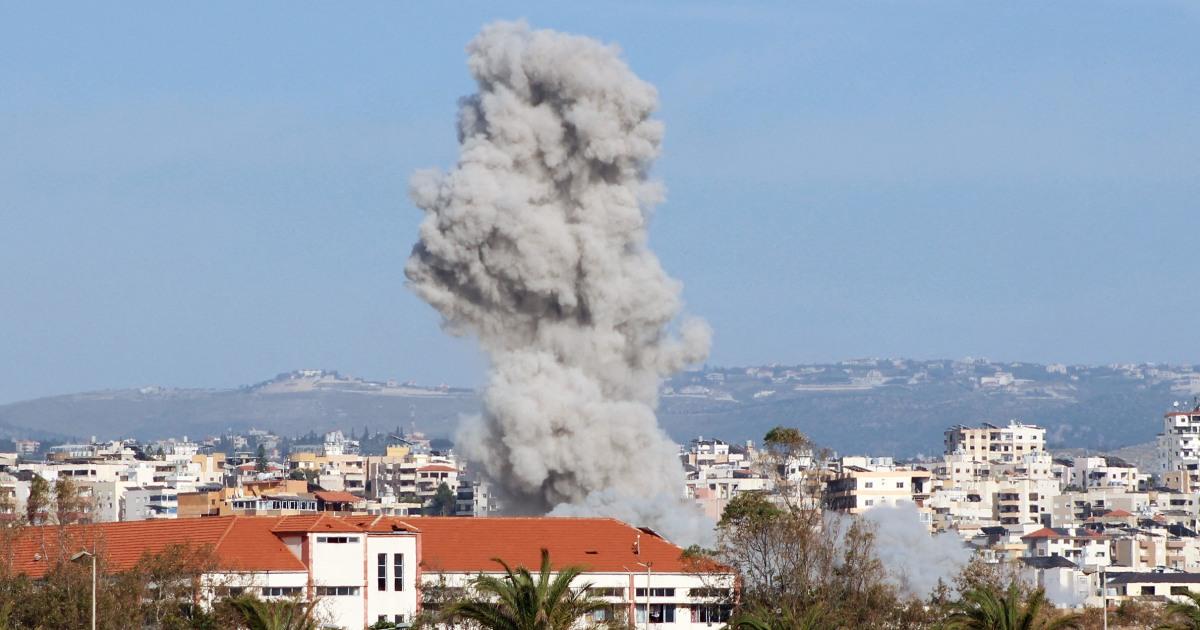
Israeli airstrikes on southern Lebanon on Tuesday killed at least 19 people, including four women and three children, Lebanon’s Health Ministry said, as fighting continued despite a fragile, U.S.-brokered ceasefire in the Israel-Hezbollah war. In Beirut, the government said a single strike on the village of Deir Qanoun al Nahr in the coastal province of Tyre killed 10 people, including three children and three women, and state-run National News Agency said it destroyed a house leaving several people under the rubble. The ministry also said an airstrike on the southern city of Nabatieh killed four people and wounded 10 others, including two women, and a third strike in the nearby village of Kfar Sir killed five people, including one woman.
NBC News reported that between Monday afternoon and Tuesday afternoon, Israel’s military targeted more than 25 sites of Hezbollah infrastructure in southern Lebanon, and it said one of its soldiers was killed Tuesday in battle in southern Lebanon, raising the number of Israeli troops killed since the latest conflict began to 21. The NBC News account placed the latest fighting in a timeline that began on March 2, when Hezbollah fired rockets at Israel two days after the United States and Israel attacked Iran, and it said more than a million people have been displaced in Lebanon by the fighting.
Washington Talks, Hezbollah Rejects
As Washington hosted direct negotiations between Lebanon and Israel, Lebanese analysts said the talks were the only option to save southern Lebanon from full occupation, while Hezbollah described the Beirut–Tel Aviv talks as 'absurd.'
The Seventh Day reported that the Israeli ambassador to the United States, Yehiel Layter, had instructions not to approve a ceasefire, and it said the official mandate for Lebanon's ambassador to Washington was limited to discussing a ceasefire with Israel.
Hezbollah Secretary-General Naeem Qassem said such talks are 'absurd,' stressing the party's determination to continue fighting Israel to the last breath, and Lebanese Hezbollah officials said the party will not commit to any agreements that may result from the talks.
The Seventh Day said the negotiations aimed to stop the deadly Israeli massacres in Lebanon, and it described intensive Israeli airstrikes on towns in southern Lebanon and the Beqaa region coinciding with the start of the talks.
It also said Haaretz reported the Israeli ambassador’s instructions, while the U.S. State Department official described the talks as examining how to guarantee long-term security on Israel's northern border and how to support the Lebanese government in restoring full sovereignty over its lands and political life.
Diplomatic Complaints and Stakes
Lebanon’s foreign policy also unfolded through formal complaints to the United Nations, with the Lebanese Ministry of Foreign Affairs and Expatriates on April 21 depositing a letter addressed to United Nations Secretary-General Antonio Guterres and to the President of the UN Security Council. Independent Arabia said the complaint, submitted by Lebanon’s ambassador to the UN, Ahmed Arafa, challenged the veracity of Iranian narratives presented to the United Nations and documented violations committed by the Tehran embassy in Beirut of the 1961 Vienna Convention on Diplomatic Relations. The complaint accuses Iranian authorities, including the Islamic Revolutionary Guard Corps (IRGC), of unlawful acts and of dragging Lebanon into a devastating war that killed and wounded thousands of Lebanese, displaced more than a million people, caused unparalleled material losses, and led Israel to occupy parts of Lebanese territory and establish security belts.
In parallel to the battlefield and negotiations, France 24 described the American doctrine of “Qualitative Military Edge” as leaving the Lebanese army in a state of weakness, saying it is “making it unable to perform its role as the sole body responsible for Lebanon’s military defense.” France 24 also tied the policy to U.S. legislation and aid ceilings, noting that the Naval Transfer Act requires guarantees that arms exports “will not undermine Israel’s Qualitative Military Edge,” and it said the concept has been codified into American law.