
NASA's Artemis II Crew Returns Safely After Historic 10-Day Moon Orbit Mission
Key Takeaways
- Astronauts splashed down in the Pacific Ocean off San Diego, California.
- Completed a historic 10-day mission around the Moon.
- First crewed lunar orbit in over five decades.
Artemis II Returns Safely
The Artemis II crew returned safely to Earth after a historic 10-day mission.
“This video is for subscribers only”
They splashed down in the Pacific Ocean off the coast of San Diego.
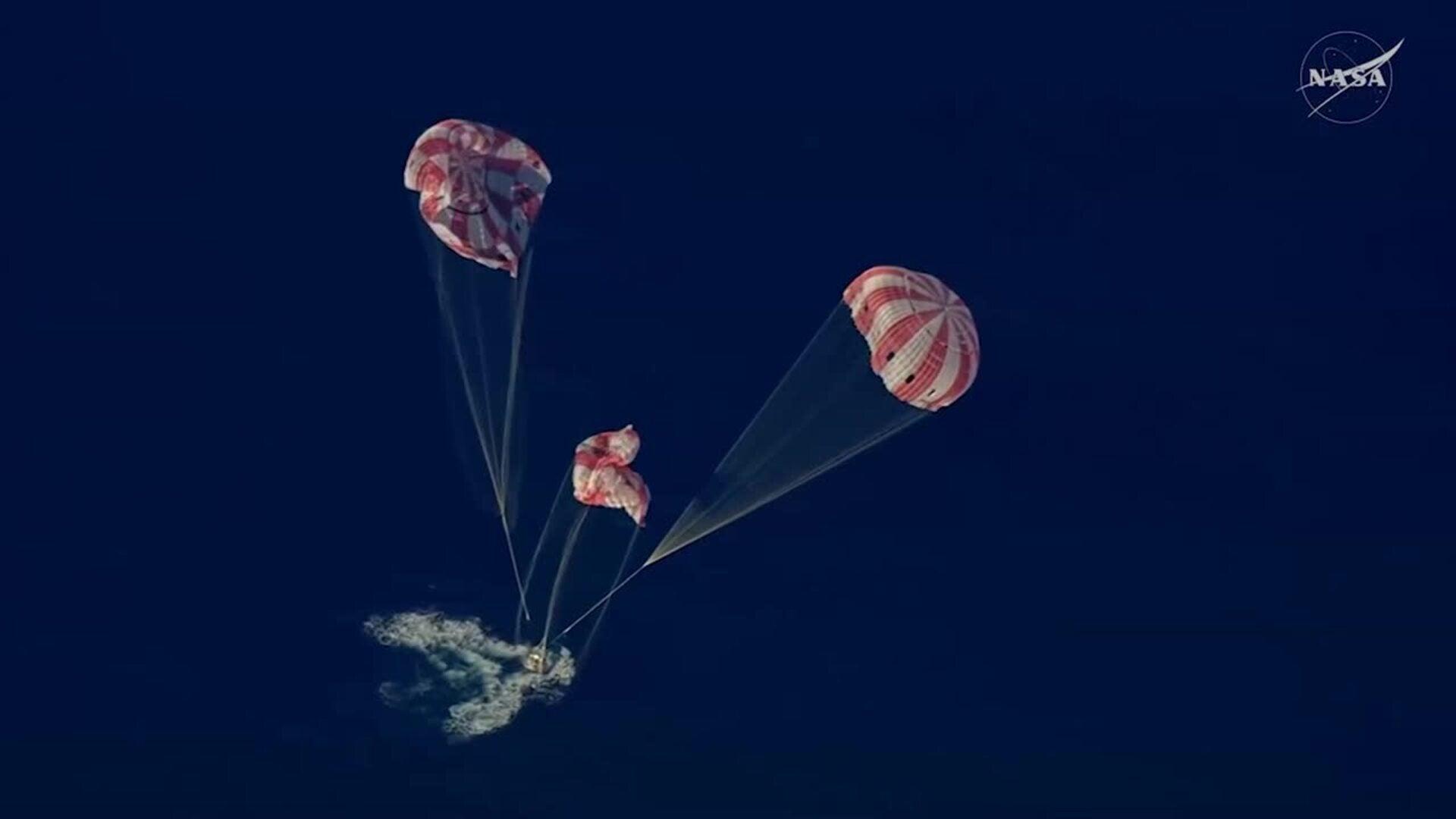
The mission traced an eight-shaped path around the Earth and the Moon covering more than 2.3 million kilometers.
The crew included American astronauts Koch, Wiseman, Glover, and Canadian astronaut Hansen.
At its farthest point, the distance between the spacecraft and Earth was about 406,771 kilometers.
The successful return sets NASA on a path to land astronauts on the lunar surface by 2028.
Historic Distance and Observations
The Artemis II astronauts became the first humans to leave low-Earth orbit since 1972.
They surpassed the Apollo 13 distance record.

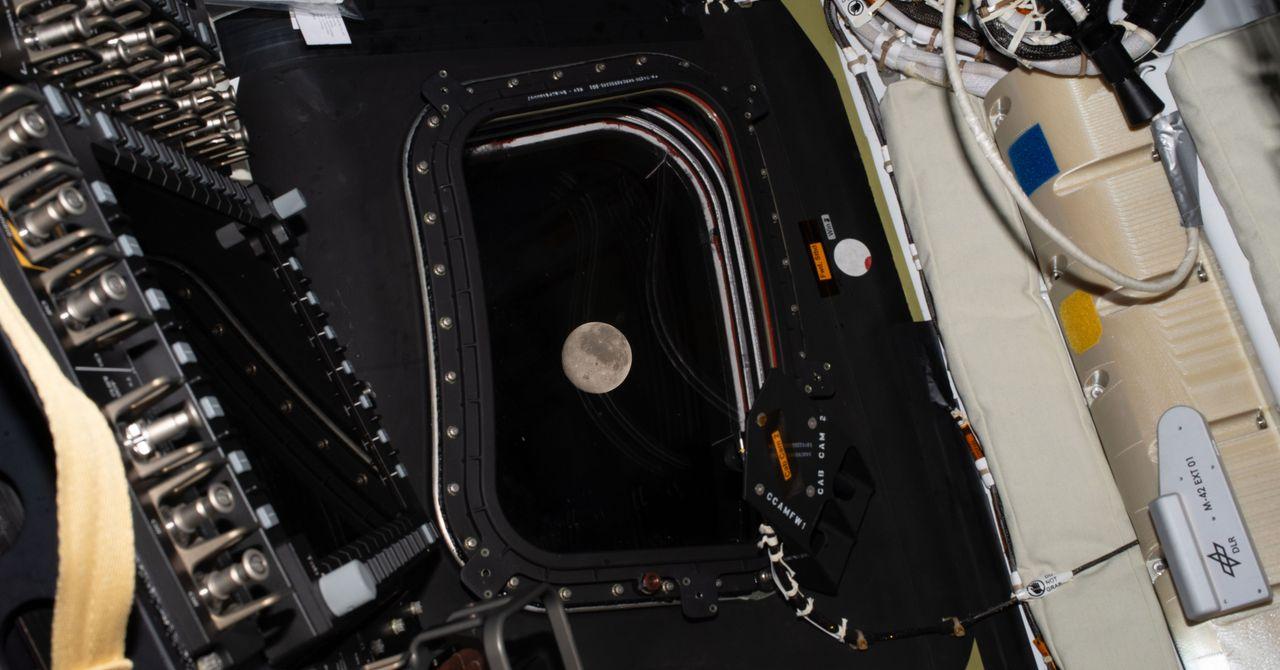
The crew observed the Moon for about seven hours, including views of the far side not seen before.
They witnessed a solar eclipse from the Orion spacecraft's perspective.
The mission gathered extensive scientific data and captured images of the Moon, the Milky Way, and the solar eclipse.
The crew discovered new craters on the lunar surface.
Re-entry Risks and Heat Shield
The return to Earth was the most dangerous part of the mission.
Orion re-entered the atmosphere at approximately 38,000 km/h.
A blackout period of about six minutes occurred when hot plasma enveloped the capsule.
NASA changed the re-entry angle from a skip re-entry to a steeper direct entry.
The capsule splashed down safely less than a mile from its target.
NASA plans to reuse 286 components of the Orion spacecraft.
Public Engagement and Future Plans
NASA engaged the public with tools like the Artemis Real-time Orbit Website.
The successful conclusion sets the stage for Artemis III in 2027.

NASA officials emphasized that the path to the lunar surface is open but hard work remains.
The mission inspired public figures like Jalen Hurts.
The Artemis II mission was hailed as the start of a new era of human space exploration.
More on Technology and Science
NASA Artemis II Crew Returns Safely After Historic 10-Day Lunar Mission
30 sources compared
NASA Artemis II Astronauts Splash Down Safely After Historic Moon Flyby
34 sources compared

NASA's Artemis II Astronauts Splash Down Safely After Historic Lunar Orbit
79 sources compared

France Ditches Microsoft Windows for Linux to Regain Digital Sovereignty
14 sources compared