
NASA's Artemis II Crew Returns Safely After Record-Breaking 10-Day Moon Mission
Key Takeaways
- Crew splashed down safely in the Pacific off San Diego after a 10-day Moon mission.
- Four astronauts completed a record-setting lunar voyage and returned to Earth.
- Returned to Houston's Johnson Space Center for public welcome with applause.
Historic Return
The Artemis II crew returned to Earth after a record-setting 10-day mission.
The four astronauts safely splashed down in the Pacific Ocean off the coast of San Diego.

They traveled 694,481 miles in total, surpassing the previous distance record set by Apollo 13 in 1970.
NASA Administrator Jared Isaacman greeted them with a standing ovation.
The crew tested Orion's life support systems and supported scientific investigations including the AVATAR experiment.
Dramatic Reentry
The crew's return featured a high-speed, hypersonic reentry at more than 24,000 miles per hour.
Orion's heat shield endured temperatures around 2,700°C.

The spacecraft lost contact with mission control for six minutes during the plasma blackout.
Recovery teams stabilized the capsule with inflatable rings and airbags.
NASA confirmed the crew was happy and healthy.
Next Steps
NASA is shifting focus to Artemis III, planned for mid-2027.
“"Riding a Ball of Fire": how, step by step, the Artemis II crew's dangerous reentry to Earth unfolded”
The moon landing is now scheduled for 2028.
NASA faces pressure to accelerate after China announced plans to send humans to the moon by 2030.
The Artemis program benefits from international cooperation.
NASA plans to reuse 286 Orion components in future missions.
Human and Scientific Impact
The crew featured the first astronaut of African descent on a lunar mission, the first woman, and the first non-American Canadian.
Wiseman said, Victor, Christina and Jeremy, we are bonded forever.

Koch spoke of the meaning of being part of a crew.
Hansen described the crew as a mirror reflecting humanity.
The mission gathered essential health data for long-duration exploration.
More on Technology and Science

Typhoon Bavi Kills At Least 15 in Philippines as It Threatens Taiwan and Japan
19 sources compared
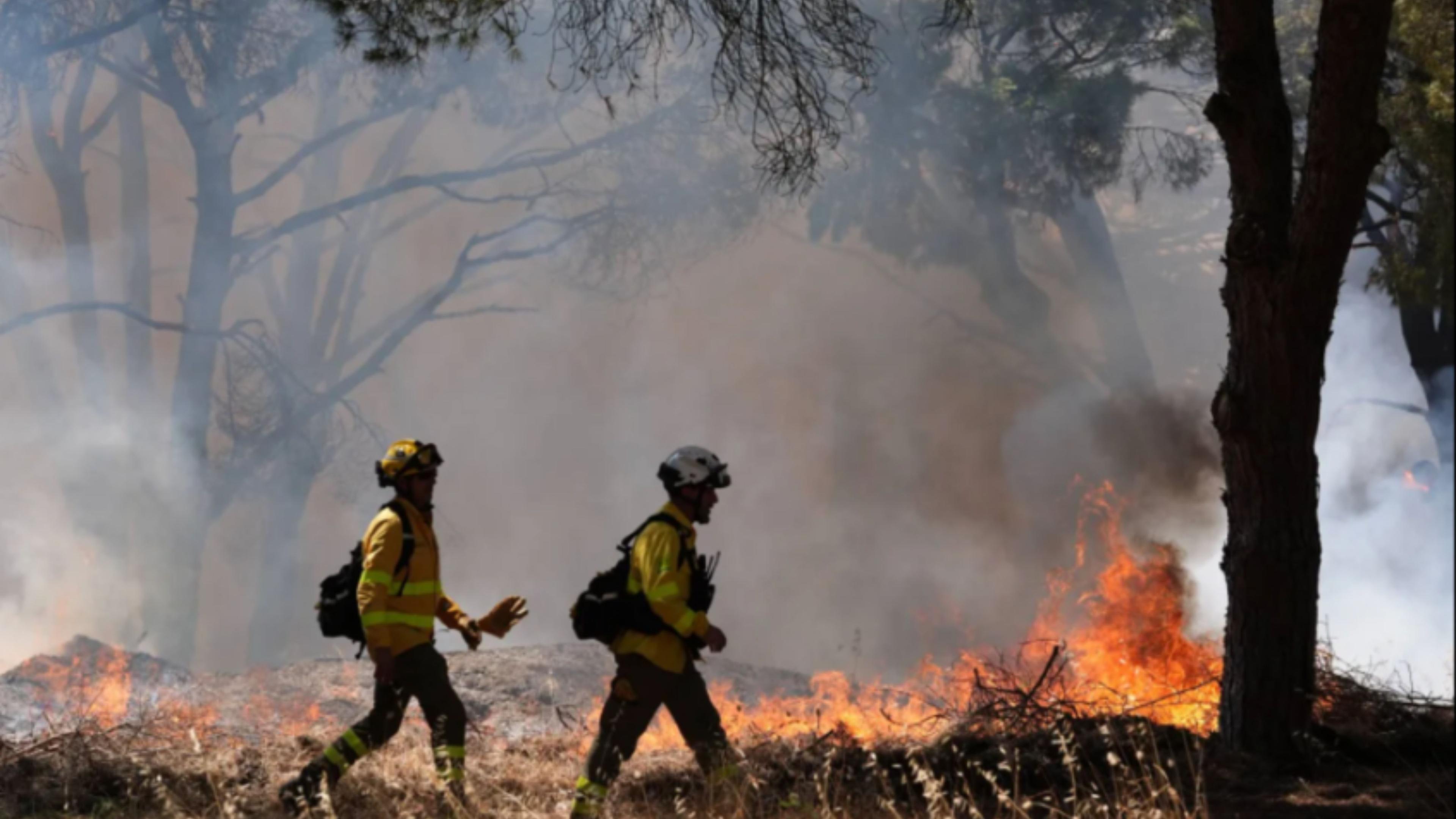
Wildfire Kills At Least 12 Near Los Gallardos, Leaving 23 Missing In Andalusia
41 sources compared

OpenAI Sunsets ChatGPT Atlas Browser, Pivots to ChatGPT Desktop App With ChatGPT Work
13 sources compared

FTC And Five States Reach 10-Year Right-To-Repair Settlement With Deere & Company
10 sources compared