
NASA's Artemis II Faces High-Risk Reentry With Flawed Heat Shield Design
Key Takeaways
- There is a known heat-shield flaw raising reentry risk.
- Reentry temperatures reach about 5,000°F on the heat shield.
- NASA managers express confidence Orion’s thermal protection system will enable safe splashdown.
Artemis II Reentry Risks
The Artemis II mission's four astronauts are set to return to Earth after 10 days in space.
“Pakistan‑brokered talks between the U”
NASA's Orion capsule will begin plunging through the atmosphere at around 7:53 p.m. ET on a fiery journey expected to last less than 15 minutes.

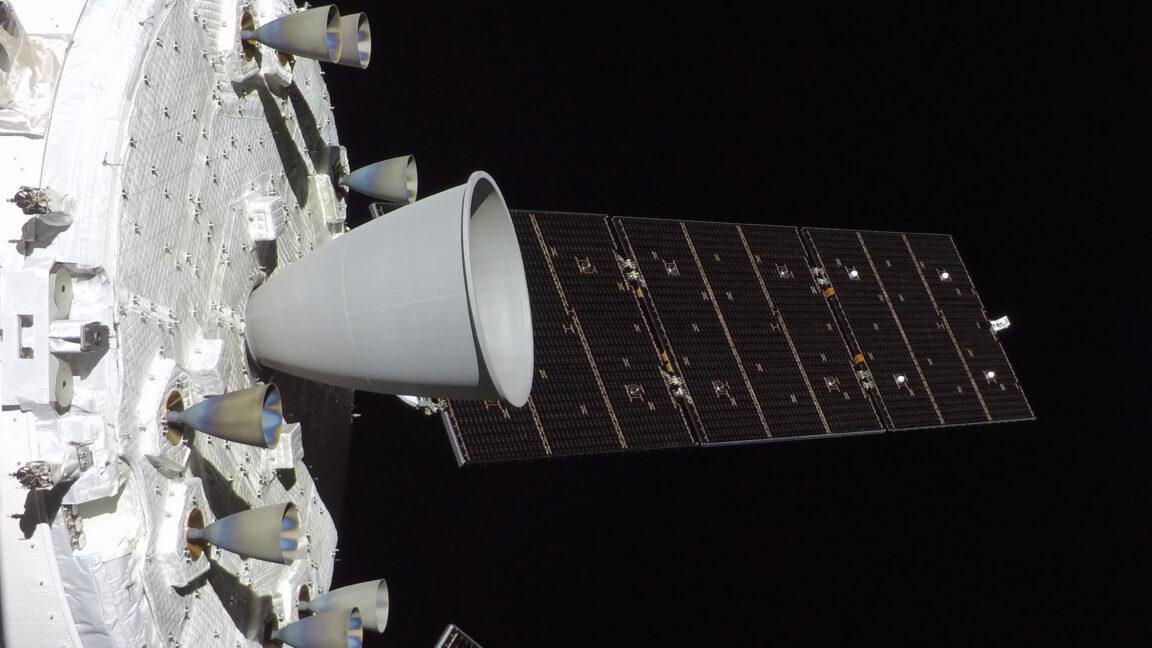
The capsule's heat shield has known flaws in its design stemming from damage observed during the uncrewed Artemis I mission.
NASA found that part of the heat shield's material had cracked during atmospheric reentry.
NASA opted for a modified reentry path to minimize risk.
The capsule will descend faster and at a steeper angle to minimize exposure to extreme temperatures.
Heat Shield Controversy
The heat shield's known flaws have sparked controversy and concern.
Former astronaut Charlie Camarda publicly expressed concerns.
NASA Administrator Isaacman said he has full confidence in Orion's heat shield.
The heat shield is made of Avcoat, an ablative material that burns away bit by bit.
The damage observed after Artemis I was caused by gases not venting properly.
Reentry Sequence
The capsule will separate from the service module.
“When the Orion crew capsule returns to Earth on Friday after , it will hit the discernible atmosphere some 75 miles above the Pacific Ocean at a blistering 24,000 mph — fast enough to fly from Los Angeles to New York in about 6 minutes”
A communication blackout is expected to last around six minutes.
Drogue parachutes will deploy followed by main parachutes.
The astronauts will be exposed to G forces equivalent to around 3.9 times Earth's gravity.
Recovery teams will pick up the astronauts after splashdown.
Extreme precision is required for a successful re-entry.
Helium Leak and Propulsion
NASA addressed a propulsion issue involving a helium leak.
The leak posed zero risk to the crew or reentry sequence.

The service module will be jettisoned and burn up in the atmosphere.
Data gathered will likely lead to a valve redesign for Artemis IV.
Human Element and Legacy
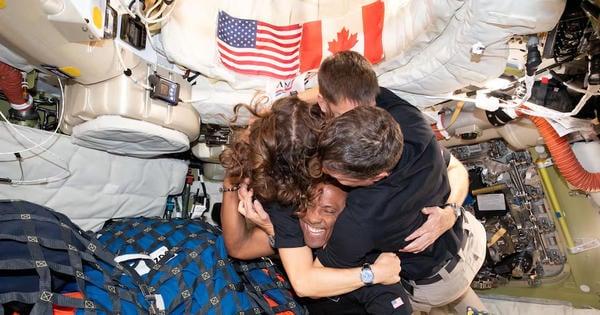
The crew traveled farther into space than any humans ever before.
“When will Artemis II splashdown”
Christina Koch reflected on her childhood dream.

NASA Associate Administrator Kshatriya summarized the core justification for crewed exploration.
More on Technology and Science

France Ditches Microsoft Windows for Linux to Regain Digital Sovereignty
14 sources compared
NASA's Artemis II Crew Returns With Historic Pacific Ocean Splashdown Off San Diego
23 sources compared

RSPB Urges Gardeners to Stop Feeding Birds May to October to Prevent Disease
14 sources compared

Iran-Linked Hackers Leak 19,000 Files From Ex-IDF Chief Herzi Halevi's Phone
12 sources compared