Technology and Science10 April, 20261 min read
RSPB Urges Gardeners to Stop Feeding Birds May to October to Prevent Disease
Pause feeding from May 1 to Oct 31 to curb avian disease spread. Greenfinches declined due to disease linked to feeding during summer months.
RSPB's New Feeding Guidance
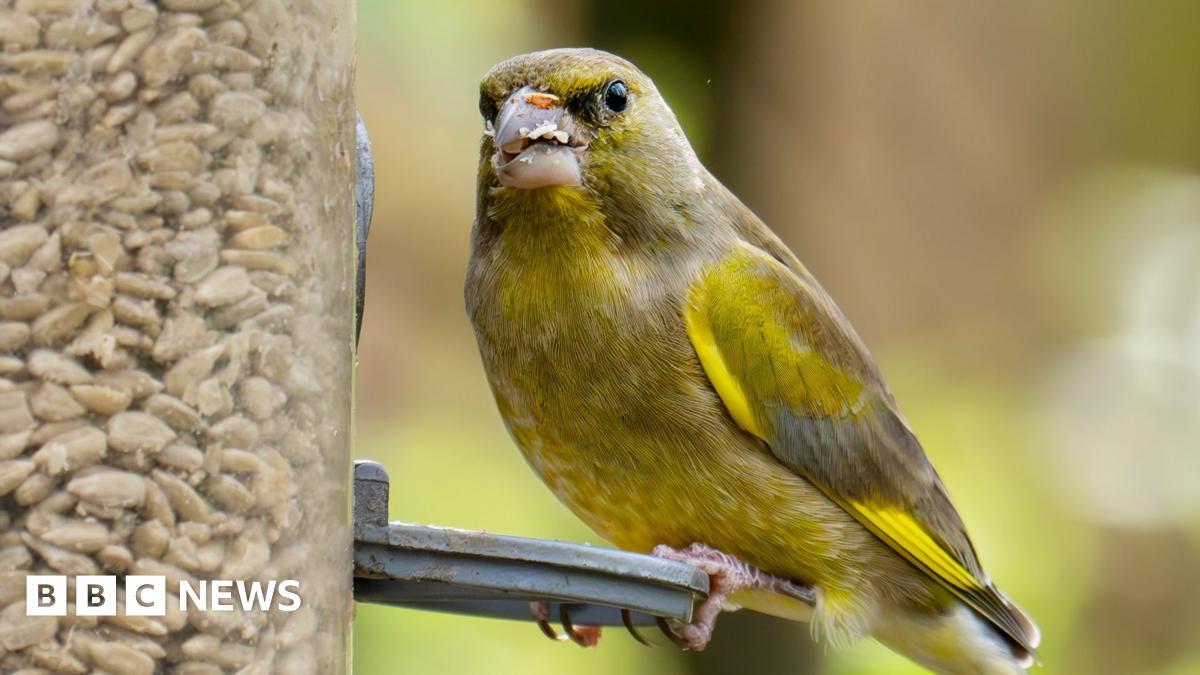
The RSPB has issued a landmark shift in garden bird feeding advice, urging the public to pause seed and peanut feeding between May 1 and October 31. Beccy Speight explained, Feeding birds is something millions of us love and value, but the science shows us that birds such as greenfinches have been affected by the spread of disease at feeders. The Big Garden Birdwatch revealed greenfinches have dropped from 7th to 18th place since 1979, with a 67% decline equating to over two million lost birds.
The disease trichomonosis spreads more easily when birds gather at feeders, especially in warmer months. The RSPB's new advice is to feed seasonally, feed safely, allowing small amounts of mealworms, fat balls, and suet year-round.
Disease Impact and Population Declines
Trichomonosis has caused catastrophic declines in garden bird populations, particularly greenfinches and chaffinches. The RSPB estimates over two million greenfinches have been lost since the mid-1990s. Symptoms include lesions in the throat that make it difficult for birds to swallow.
Starlings also hit record low numbers, with an 85.1% decline since the survey began. The RSPB recommends cleaning feeders weekly, moving them regularly, and retiring flat-surfaced feeders.
Practical Steps and Industry Response
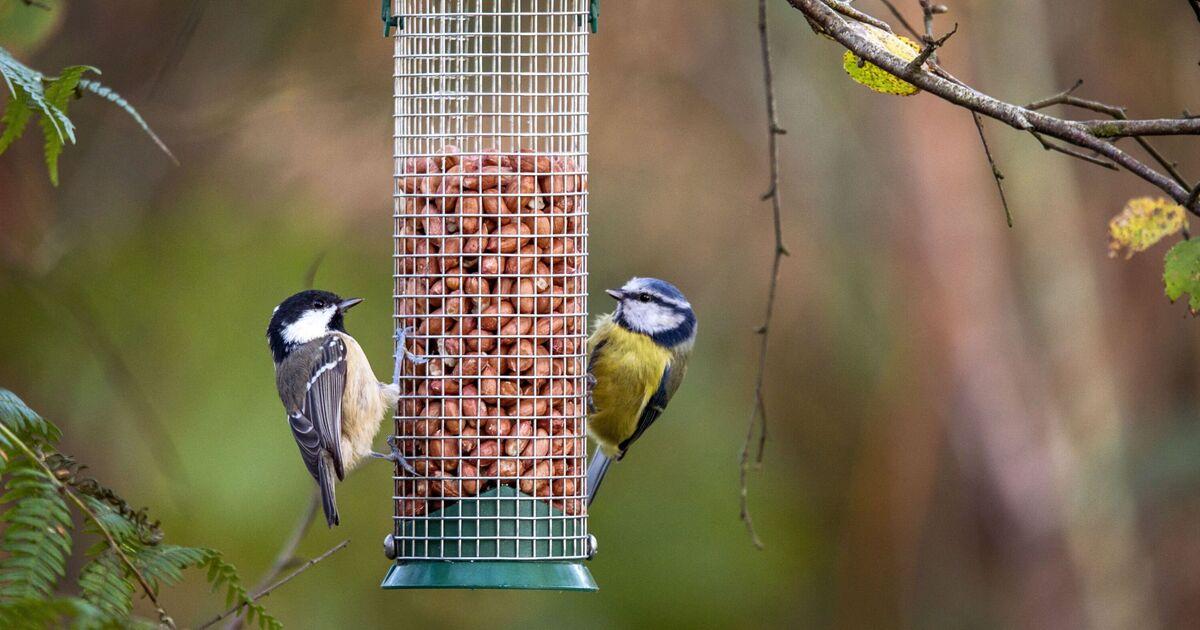
The RSPB's guidance includes cleaning feeders weekly and moving them to different spots. The Royal Horticultural Society has aligned its retail and advice with the new guidelines.
The pet food industry has pushed back, warning the changes risk confusing millions of people. The RSPB acknowledges that changing habits may take years or decades.
Regional Variations and Public Reaction
The RSPB recognizes that conditions differ from place to place. The charity has opted for a single clear message to maximize effectiveness.
Public reaction is mixed; some will miss seeing birds up close. The Big Garden Birdwatch remains the world's largest garden wildlife survey.