
NATO Chief Mark Rutte Says Europe Got the Message After Trump Plans 5,000 Troop Withdrawal From Germany
Key Takeaways
- Trump's plan to withdraw 5,000 U.S. troops from Germany prompts Europe to bolster defense.
- NATO chief Mark Rutte says Europeans have gotten the message and are stepping up.
- Germany says the withdrawal is foreseeable and seeks clarification from Washington.
Rutte’s “message” in Armenia
NATO Secretary-General Mark Rutte told reporters at a European Political Community summit in Armenia that Europe has “gotten the message” from the United States about defense contributions, framing the shift as a response to Washington’s frustration over the Iran war.
“NATO Secretary-General Mark Rutte says European leaders have “gotten the message” after United States President Donald Trump announced plans to withdraw 5,000 soldiers from Germany”
Rutte said, “Yes, there has been some disappointment from the US side, but Europeans have listened,” and added, “European leaders have gotten the message. They heard the message loud and clear.”

Multiple outlets tied his remarks to a specific trigger: President Donald Trump’s announcement that the Pentagon would withdraw 5,000 troops from Germany.
The diplomatic setting was Yerevan, where Rutte spoke as leaders gathered for high-level talks on global conflicts, energy security, and strengthening democracy, according to DW’s description of the EPC meeting.
DW reported that Rutte said Europe is “stepping up,” adding, “European leaders have gotten the message. They heard the message loud and clear,” while also acknowledging “disappointment on the US side” regarding European resistance to joining the war.
In parallel, Al Jazeera’s account as relayed by Open Magazine said Rutte indicated allies are now moving to ensure that “agreements on the use of military bases are being implemented” across the continent.
The same cluster of reporting linked the NATO chief’s comments to a broader transatlantic dispute in which Trump has accused certain NATO members of failing to provide sufficient backing to Washington amidst the ongoing conflict with Iran.
Troop pullback and the rift
The troop withdrawal announcement that framed Rutte’s remarks was described as a major escalation in a dispute between the United States and European allies over the Iran war, and it quickly became entangled with personal and political friction involving German Chancellor Friedrich Merz.
Open Magazine said Trump accused certain NATO members of failing to provide sufficient backing to Washington amidst the ongoing conflict with Iran, and it described the atmosphere of strategic pressure as prompting a shift in rhetoric from key European capitals.

In that same account, Merz had reaffirmed the trans-Atlantic bond and called the United States Germany’s “most important partner in the North Atlantic Alliance,” while the reporting also said Merz had criticized Trump’s handling of the conflict in West Asia.
Open Magazine further described Trump’s response during an executive order signing event in the Oval Office, quoting Trump as saying, “German chancellor is doing a terrible job” and asking, “Would you like Iran to have a nuclear weapon?” before Trump replied, “Well then, I guess I'm right.”
The Guardian and NBC News both tied the withdrawal to the political backlash after Merz said the U.S. was being “humiliated” by the Iranian leadership, with NBC reporting that Merz told students earlier in the week that the U.S. was “being humiliated by the Iranian leadership.”
NBC News also stated that “Almost 40,000 U.S. troops are currently stationed in Germany,” while the Times of Israel reported a different figure, saying there were “36,436 active-dutyUS troops in NATOally Germany as of December 31, 2025.”
The Pentagon’s own rationale was described in multiple outlets as following a “thorough review” of force posture and “recognition of theater requirements and conditions on the ground,” with CNBC and NBC both quoting the same formulation.
Leaders echo Europe’s “step up”
At the same EPC summit in Armenia, other leaders reinforced Rutte’s message by linking the troop withdrawal to a need for Europe to increase defense spending and build “common solutions.”
“Donald Trump's threat to strike the NATO 'bad guys' who did not help him in the war in Iran is widening from Germany to Italy and Spain”
DW reported that Ukrainian President Volodymyr Zelenskyy called for “develop one common European voice” in response to the US-led war with Iran, while also saying he used his speech to call for assurances that Ukraine would continue to get support for “anti-missile defense systems.”
DW also said Zelenskyy announced that Kyiv and the European Union had advanced on a major drone deal after he spoke with European Commission chief Ursula von der Leyen, placing the summit’s agenda squarely on concrete defense cooperation.
French President Emmanuel Macron, according to DW, responded to the troop drawback by saying that Europe needed to learn to live without depending on the US for defense, and Macron’s quoted line was, “Europeans are taking their destiny into their own hands, increasing their defence and security spending, and building their own common solutions.”
The European Commission President Ursula von der Leyen echoed that direction in DW’s account, saying, “we have to step up our military capabilities to be able to defend and protect ourselves.”
Daily Sabah similarly quoted Macron and von der Leyen, repeating Macron’s “Europeans are taking their destiny into their own hands, increasing their defence and security spending, and building their own common solutions,” and von der Leyen’s “We have to step up our military capabilities to be able to defend and protect ourselves.”
In the same reporting stream, EU foreign policy chief Kaja Kallas described the timing of the announcement as unexpected, telling reporters in Yerevan, “The timing of this announcement comes as a surprise,” and Daily Sabah added Kallas’s view that “we have to really strengthen the European pillar in NATO, and we have to really do more.”
Disagreement inside NATO and Congress
While EPC leaders emphasized stepping up, other reporting highlighted internal disagreement across NATO and within the U.S. political system about what the troop withdrawal means and how it should be managed.
NBC News reported that two top Republican lawmakers warned that the decision would send the “wrong signal” to Russian President Vladimir Putin, quoting their joint statement that it was “in America’s interest to maintain a strong deterrent in Europe.”
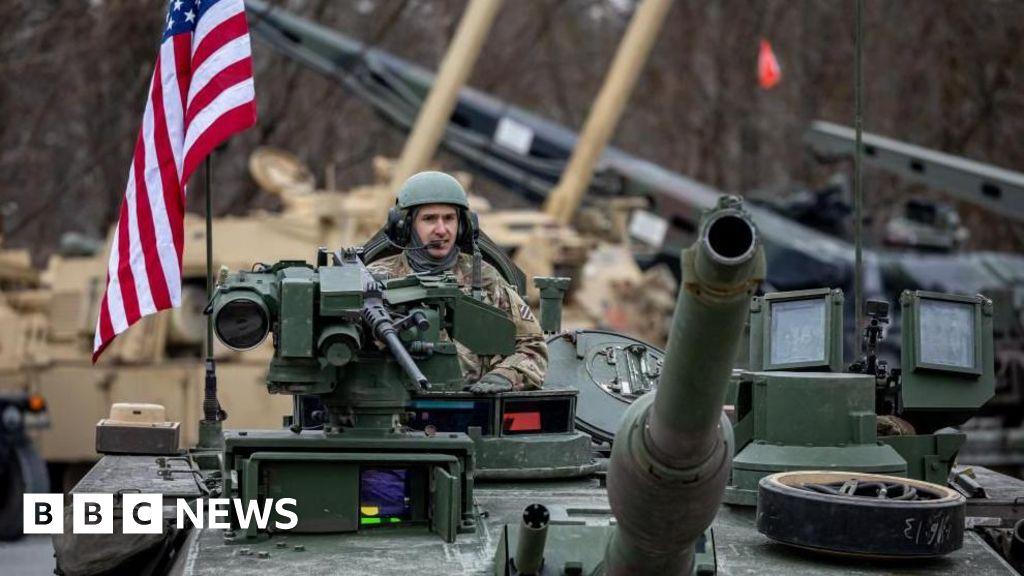
NBC also quoted the lawmakers’ warning that “Prematurely reducing America’s forward presence in Europe before those capabilities are fully realized risks undermining deterrence and sending the wrong signal to Vladimir Putin.”
The Guardian similarly described Republicans as “concerned,” quoting their joint statement that they were “very concerned” by the possibility of reducing troops in Germany and arguing that “Any reduction in troops should be done in coordination with Congress and allies.”
The Guardian also reported that the Republicans’ statement proposed moving the 5,000 forces “to the east,” saying “Rather than withdrawing forces from the continent altogether, it is in the US interest to maintain a strong deterrent in Europe by moving these 5,000 US forces to the east.”
On the NATO side, RTE.ie said NATO member Spain has said that military bases on its territory cannot be used for the war with Iran, while Rutte said other NATO countries including Montenegro, Croatia, Romania, Portugal, Greece, Italy, Britain, France and Germany were implementing requests for the use of bases and other logistical support.
The Times of Israel added another layer by describing a NATO effort to understand Washington’s decision, saying NATO was “working with the US to understand the details of their decision on force posture in Germany,” and it quoted NATO spokeswoman Allison Hart writing that the adjustment “underscores the need for Europe to continue to invest more in defense and take on a greater share of the responsibility for our shared security.”
What comes next for Europe
The sources also describe immediate downstream consequences and longer-term planning that the troop withdrawal is expected to accelerate, including readiness for a “next phase” and the possibility of further reductions beyond Germany.
“President Donald Trump said Saturday the U”
RTE.ie reported that Rutte said “more and more” European nations were pre-positioning assets such as minehunters and minesweepers close to the Gulf to be ready for a “next phase,” and it also said multiple European nations have said they are willing to take part in a mission to help ensure freedom of navigation through the Strait of Hormuz once the war is over.

Open Magazine, meanwhile, described a pivot in Merz’s messaging about Iran, saying Merz posted on X that both nations “share a common goal: Iran must not be allowed to acquire nuclear weapons,” and it contrasted that with Merz’s earlier April stance about the Trump administration being outplayed in negotiations aimed at ending the conflict and reopening the Strait of Hormuz.
Time Magazine framed the drawdown as potentially only the beginning, quoting Trump as saying, “We’re going to cut way down,” and “And we’re cutting a lot further than 5,000,” while also reporting that the Pentagon said the decision came after a “thorough review” and “is in recognition of theater requirements and conditions on the ground.”
Time Magazine also reported that internal Pentagon documents found the U.S. was considering a review of U.S. diplomatic support for European “imperial possessions,” such as the Falkland Islands, and floating the idea of suspending Spain from NATO, while also noting that Trump threatened he would “probably” pull back troops from Spain and Italy too.
NBC News and CNBC both described the withdrawal timeline as spanning “the next six months to a year” or “over the next six to 12 months,” with CNBC adding that the Pentagon offered few details about which troops or operations would be affected.
The Times of Israel added that NATO said it was working with the U.S. to understand the details, and it reported that German Foreign Minister Johann Wadephul said large American bases in Germany are “not up for discussion at all” and cited Ramstein Air Base’s “an irreplaceable function for the United States and for us alike.”
More on USA

Shooting At Arcadia Lake Party Near Oklahoma City Sends At Least 10 To Hospitals
18 sources compared
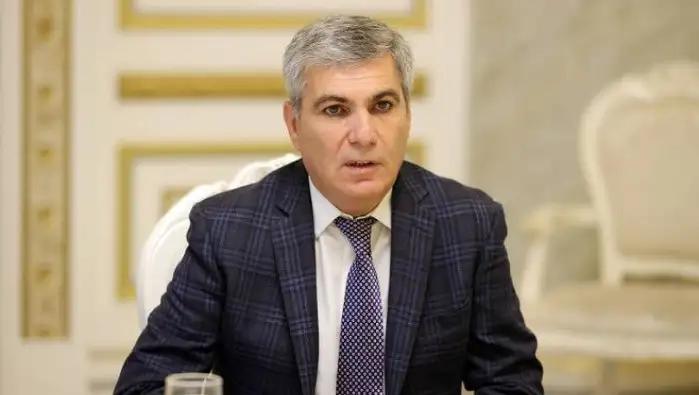
Mark Carney Announces Canada’s $270M Ukraine Defence Support at Yerevan Summit
14 sources compared
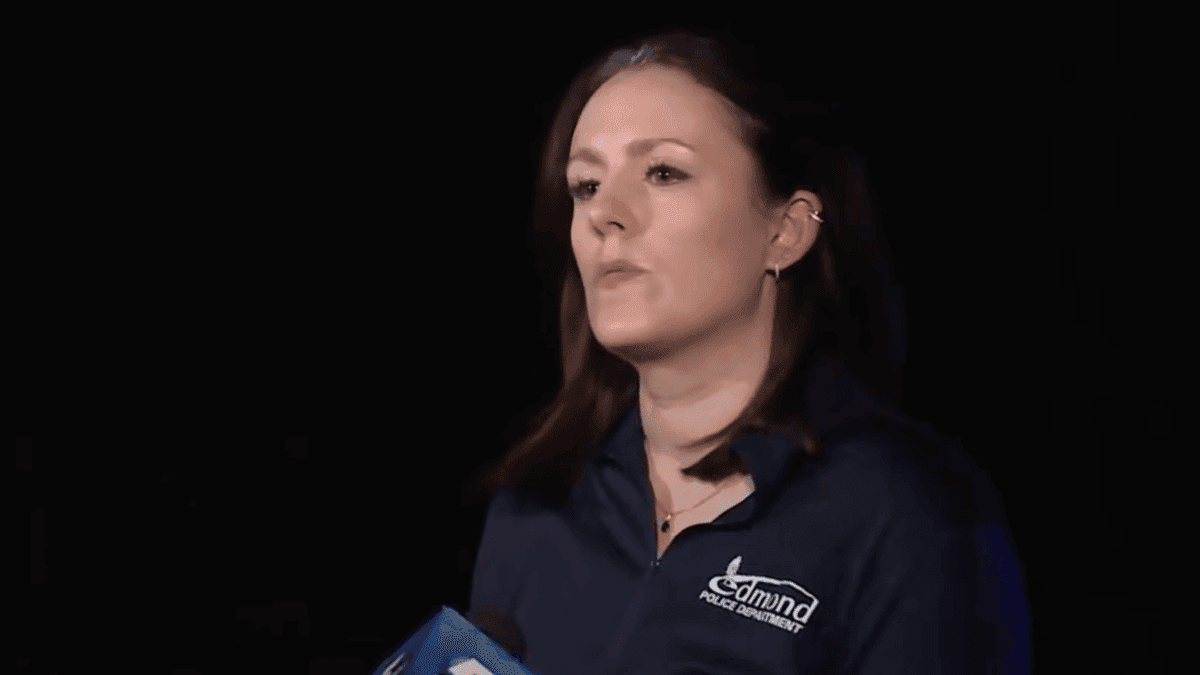
Tiroteo en Fiesta En Lago Arcadia Cerca De Oklahoma City Deja Al Menos 12 Heridos
21 sources compared
Mark Rutte Says Europe Ensures U.S. Military Base Agreements After Trump Criticized NATO
20 sources compared