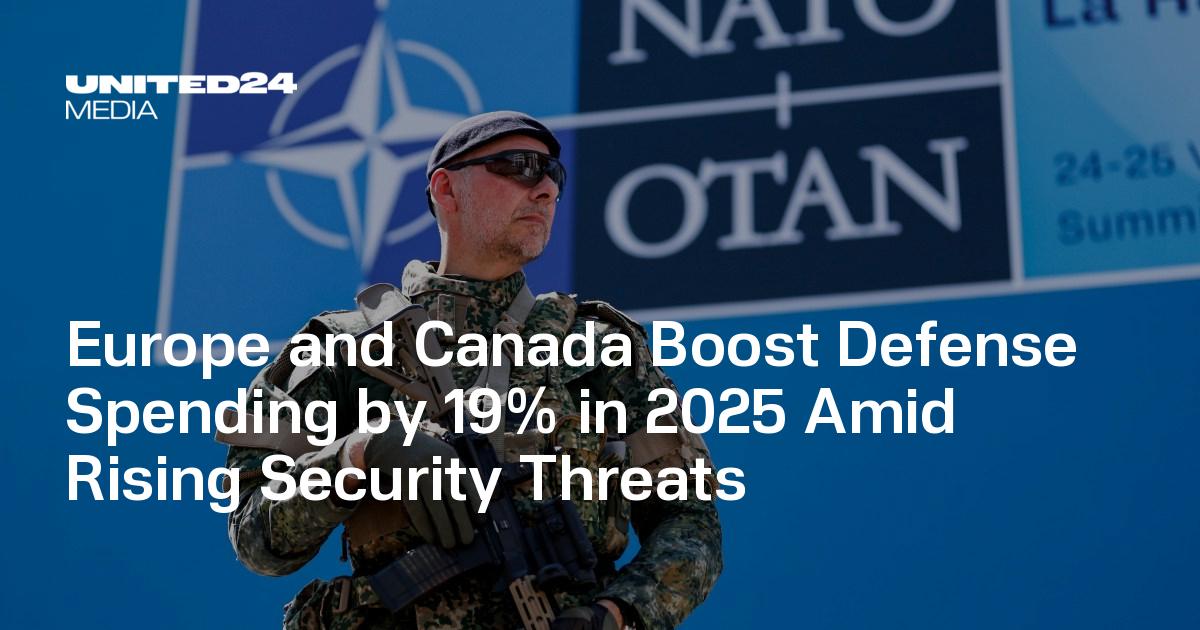
NATO Says All Members Met 2% Defense Spending Target In 2025
Key Takeaways
- NATO defence spending for 2025 surpassed $1.4 trillion across 32 members.
- All 32 NATO members met the 2% of GDP defence target in 2025.
- Non-US contributions rose about 20%, led by Europe and Canada.
Universal 2% compliance milestone
All military-equipped NATO nations met the alliance’s baseline spending target of 2% of national gross domestic product (GDP) for the first time last year.
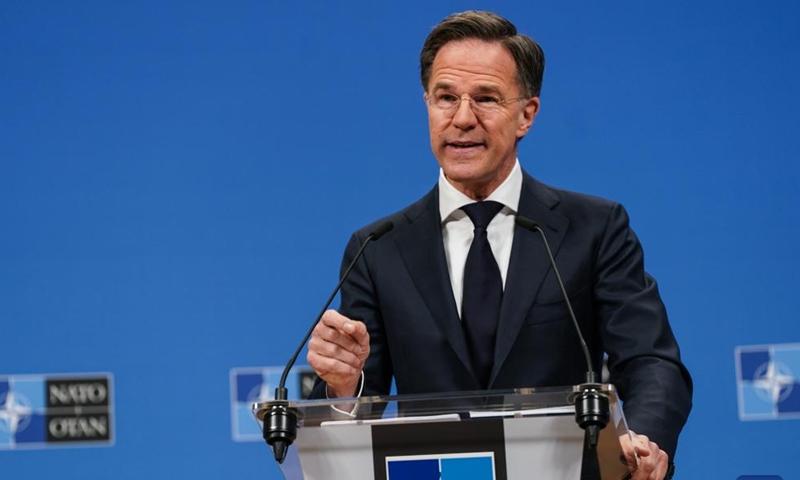
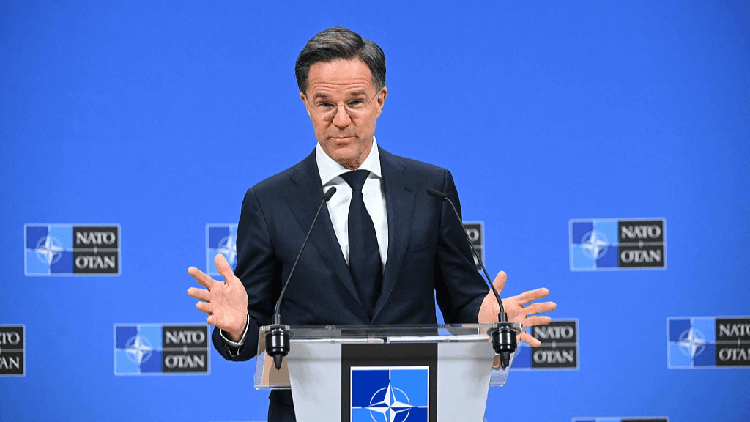
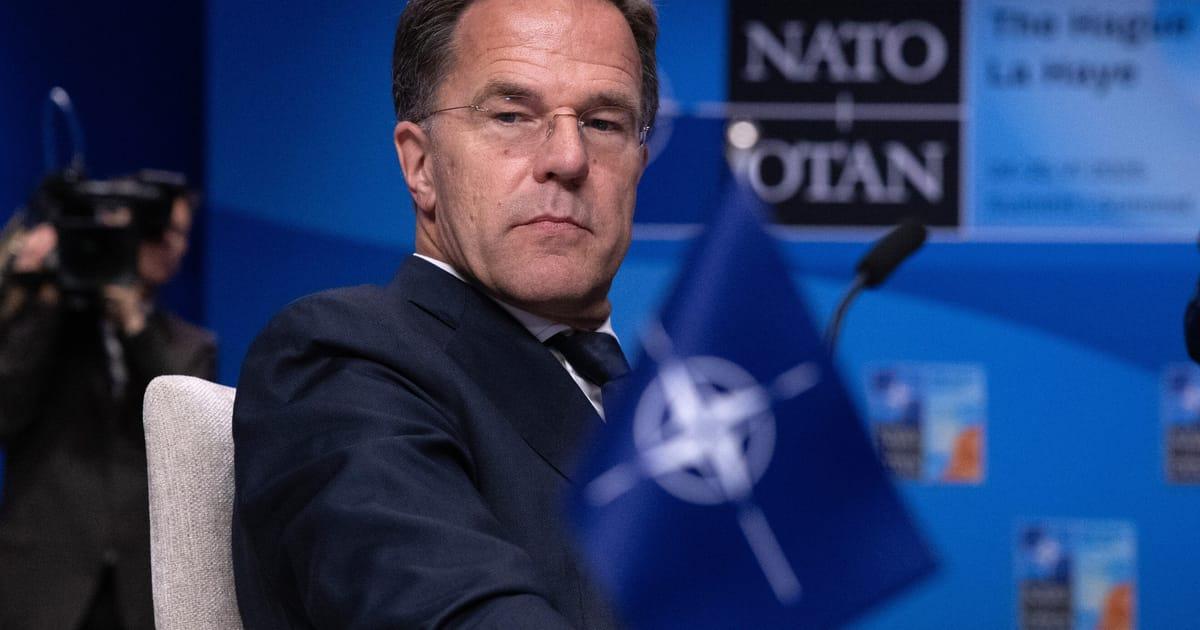
“North Atlantic Treaty Organization (NATO) Secretary General Mark Rutte speaks at a press conference in Brussels, Belgium, March 26, 2026”
The report said European NATO members and Canada sharply increased military spending, with their combined defense outlays reaching 574 billion US dollars in 2025, up 20 percent in real terms from a year earlier.
The US accounted for 838 billion dollars, which it says equates to 52% of allies’ combined GDP and for 60% of combined nominal defence expenditure.
Europe and Canada invested a total of 574 billion dollars in defence, a 20% increase in real terms from a year earlier.
I expect allies at the next NATO Summit in Ankara this July to show they are on a clear and credible path towards the 5% objective.
Burden-sharing dispersion and targets
Poland, Lithuania, and Latvia emerged as the top relative spenders, with Poland around 4.3–4.48% of GDP, Lithuania about 4%, and Latvia near 3.74%.
In absolute terms, the United States still dominates the total defence outlay, but its share has narrowed, with total spending around 838 billion dollars and the European/Canadian bloc near 574 billion.
Other members hover around the 2% mark, with some above and others just at the threshold, highlighting significant dispersion within the alliance.
The 5% target by 2035 is presented as a response to these gaps, even as current figures show broad convergence around the 2% baseline.
Plan mechanics and Ukraine focus
The plan directs roughly 3.5% of GDP to core defense, with about 1.5% for security-related areas such as infrastructure protection and cybersecurity.
“All military-equipped NATO nations met the alliance’s baseline spending target of 2% of national gross domestic product (GDP) for the first time last year, the alliance’s newly published review states”
The 5% by 2035 target was agreed at the The Hague summit in 2025, signaling a long-range push to sustain higher defense outlays.
A key procedural element is the Prioritised Ukraine Requirements List (PURL), a mechanism to ensure Ukraine-related needs remain on NATO’s radar in allocations.
The framework ties together total spending, the core-versus-broader-security split, and urgent Ukraine-focused demands into a single, time-bound trajectory.
Burden-shift and implications
The United States accounted for about $838 billion, making it the largest single contributor by dollars, even as its share of total NATO defence expenditure declines.
European and Canadian spending rose to approximately $574 billion, reflecting a 20% real-terms increase and signaling a broad upshift in capabilities across the alliance.
The overall spending pattern—large absolute totals but evolving shares—shapes how NATO coordinates capabilities, training, and security commitments across West Asia and beyond.
Critics caution that even with universal 2% compliance, the alliance’s effectiveness will hinge on how Member States translate spending into interoperable forces and practical deterrence.
Assessing implications and trajectory
The 2% achievement marks a milestone, but it is the path to 5% by 2035 that will determine NATO’s future deterrence posture.
“However, there were wide discrepancies in spending among NATO countries, the alliance’s annual report shows”
Ambition is tempered by fiscal realities and political will, with some member states already exceeding 3% and others hovering near 2%.
As NATO hardens its defensive capabilities, the alliance will need robust coordination to turn higher spend into interoperable units, integrated command structures, and responsive resilience across critical infrastructures.
Observers note that the real test will be translating spending growth into concrete security benefits for West Asia and allied populations.
More on Europe

Snapchat Recruiter Pays €600 To Plant Five-Litre Explosive Outside Bank Of America In Paris
11 sources compared

Pope Leo XIV Urges Monaco's Wealthy To Defend Life And Channel Prosperity At Stadium Mass
26 sources compared
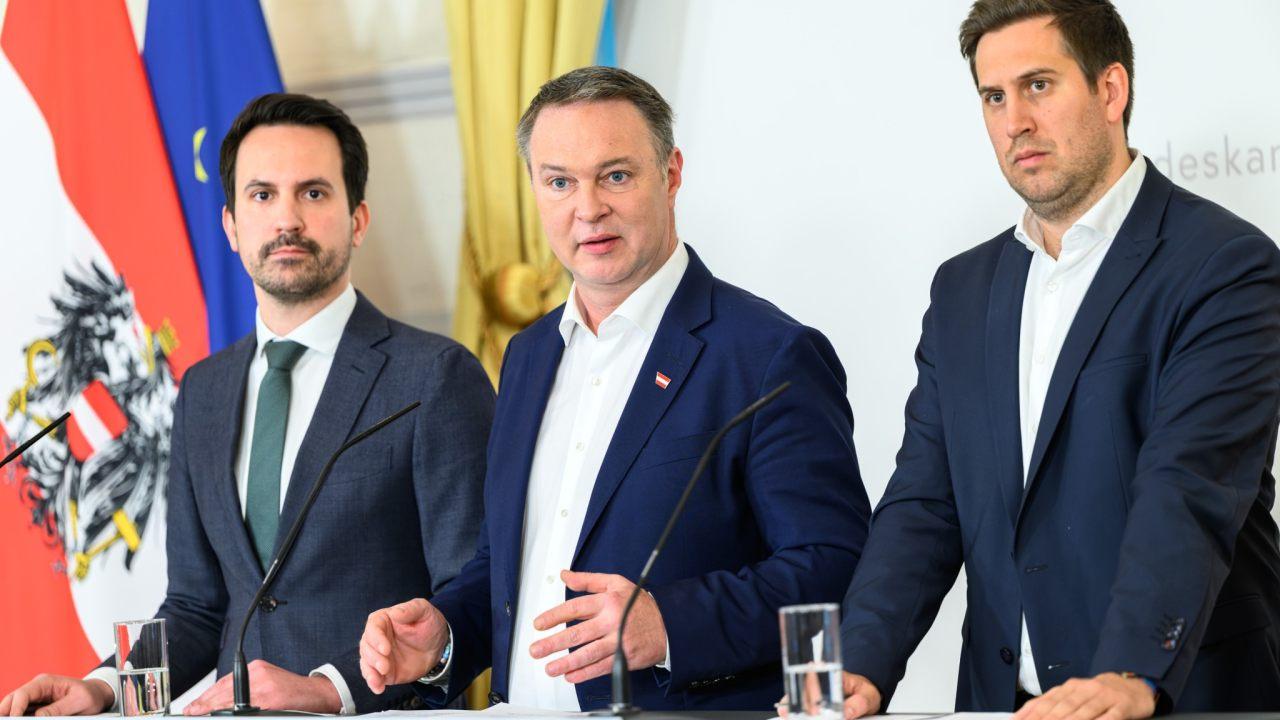
Austria's Ruling Coalition Agrees To Ban Social Media For Children Under 14 Nationwide
22 sources compared
Volkswagen Seeks to Convert Osnabrück Plant to Make Iron Dome Components If Workers Opt In
21 sources compared