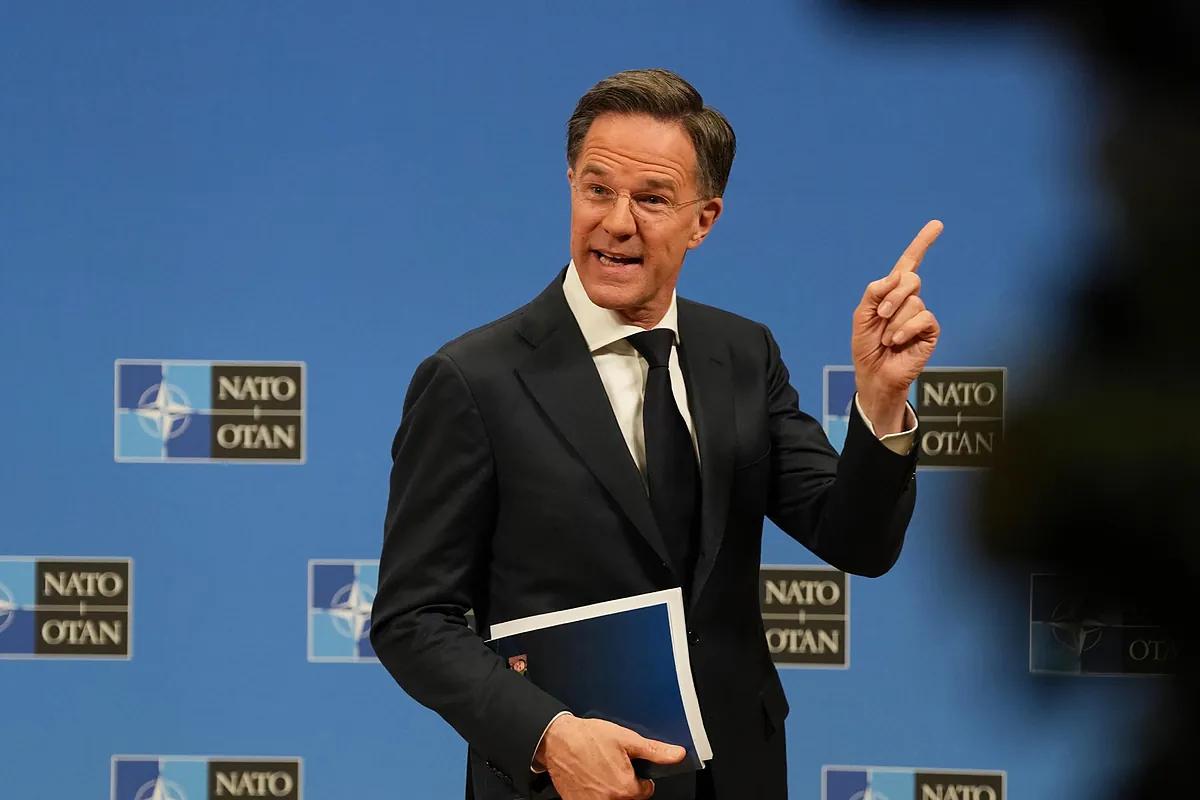
NATO Secretary-General Rutte Credits Trump For Enabling Spain To Reach 2% Defense Spending
Key Takeaways
- Spain reached 2% of GDP on defense spending by end-2025, NATO report says.
- Rutte praised Sánchez for raising spending from about 1.3–1.4% to 2%.
- Sánchez told Rutte in April that Spain would reach 2%, and he did.
New milestone, Trump framing
New milestone, Trump framing: NATO secretary-general Mark Rutte publicly credits Donald Trump for creating the conditions under which Spain reached 2% of GDP in military spending by the end of 2025, a framing that ties burden-sharing to the U.S. administration.
“Mark Rutte has wanted to 'praise' Spain and the Prime Minister, Pedro Sánchez, for raising defense spending by 'billions'”
Spain rose from roughly 1.3–1.4% at the start of last year to 2%, with spending climbing from €22.6 billion to €33.5 billion in absolute terms.
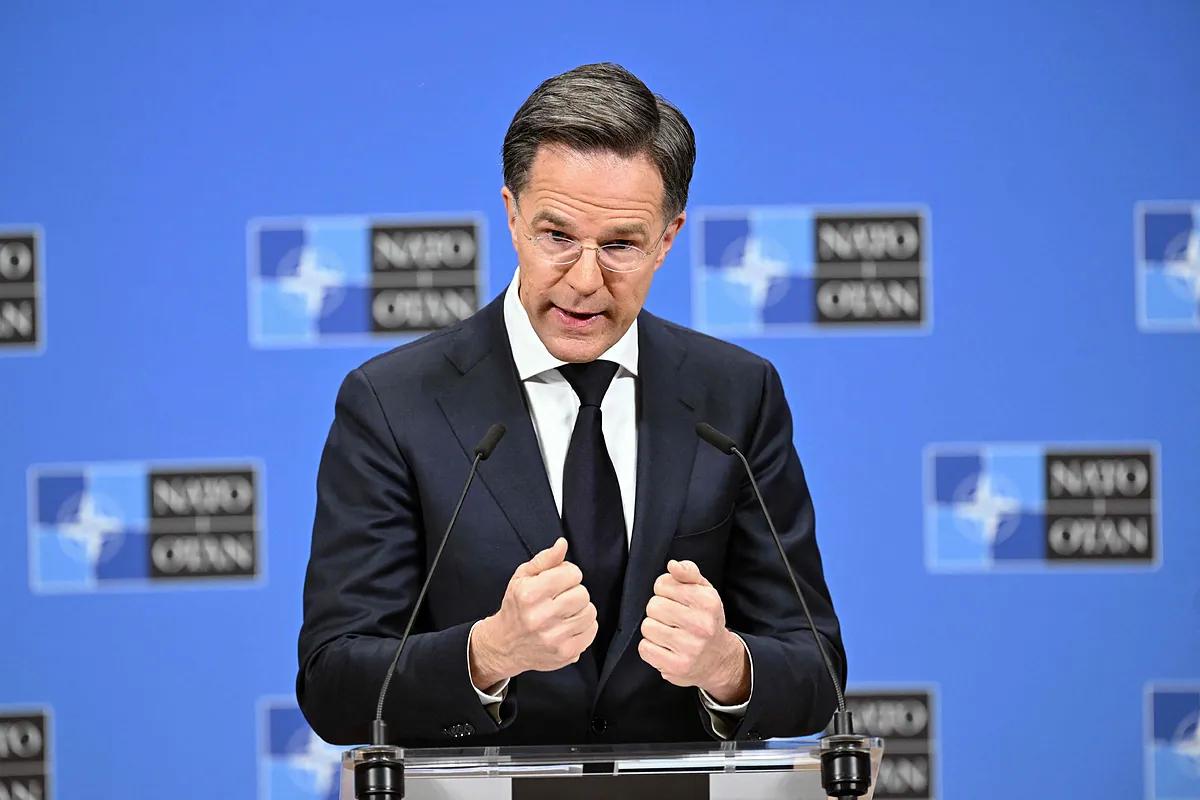
Rutte argues that without the current U.S. administration, NATO as a whole would likely not have reached 2% by year-end 2025.
He also warns that 2% alone is not enough to address long-term security challenges, aligning with NATO's call for a total 5% GDP investment split into 3.5% for capabilities and 1.5% for other defense-related spending.
The combined framing suggests Washington’s policy stance is directly shaping European budget choices and signals potential shifts in how allies justify burden-sharing to domestic audiences.
Plan vs 2% vs 5%
Plan vs. 2% vs. 5%: NATO’s framework envisions 5% of GDP in total defense investment, with 3.5% dedicated to capabilities and 1.5% to other defense-related aspects.
Spain contends it can satisfy capability objectives while maintaining the 2% baseline, creating a clear disagreement over how to measure sufficiency.
Rutte’s emphasis on Trump’s role casts the political calculation as a collaboration between U.S. pressure and European adaptation.
The contrast between the 3.5% capability threshold and Spain’s insistence on 2% highlights a deeper policy ambiguity about how to translate budget shares into military effectiveness.
Spain’s standing, budget trajectory
Spain remains among the lowest spenders in the alliance, sharing the bottom end of the list with Belgium, Canada, Albania, and Portugal.
“Mark Rutte has "praised" Spain and Prime Minister Pedro Sánchez for raising Defense spending by "billions"”
The shift from €22.6 billion to €33.5 billion marks a substantial absolute increase, even as the 2% rate continues to be criticized as insufficient for longer-term security needs.
This combination—2% in a league of modest averages, with a 5% aspirational target—frames Spain as both a model for political will and a test case for NATO’s capability-building logic.
Spain’s lower relative investment persists despite the headline 2% figure, underscoring the asymmetry in coverage between rhetoric and scale.
Context and future implications
The coverage ties Spain’s 2% achievement to a broader debate about NATO’s efficiency and Europe’s strategic autonomy.
Trump’s role in catalyzing higher defense spending is highlighted, but 2% is still framed as a stepping stone to the 5% target and to capability development.
Future battles will hinge on whether 2% becomes a ceiling or a floor for European defense investment, and whether U.S. pressure can translate into durable European military capacity.
Madrid’s insistence on a 2% baseline could become a flashpoint in Brussels and Madrid alike.
Next steps and political ripple
Spain’s 2% milestone will likely intensify debates over whether European allies should commit to NATO’s preferred 3.5% capability threshold or maintain a lower baseline if they can demonstrate effectiveness through different spending allocations.
“NATO praises Pedro Sánchez for his defense spending: He said, 'We will reach 2%”
NATO and Madrid may clash over whether 3.5% is truly indispensable, while the 1.5% defense-related portion remains a contested area for reform.
The U.S. framing of burden-sharing through Trump-era pressure could inform future domestic debates in Spain and other European capitals about reliance on Washington versus building autonomous defense capabilities.
The combination of explicit 2% adherence with a call for a 5% target ensures that Spain’s defense budgeting will remain a live political battleground across both Brussels and Madrid.
More on Europe

Snapchat Recruiter Pays €600 To Plant Five-Litre Explosive Outside Bank Of America In Paris
11 sources compared

Pope Leo XIV Urges Monaco's Wealthy To Defend Life And Channel Prosperity At Stadium Mass
26 sources compared
Austria's Ruling Coalition Agrees To Ban Social Media For Children Under 14 Nationwide
22 sources compared
Volkswagen Seeks to Convert Osnabrück Plant to Make Iron Dome Components If Workers Opt In
21 sources compared