Protests05 March, 20262 min read
Nepalis Vote in First Nationwide Election Since Youth Uprising Toppled Government
Millions vote in first election since Gen Z uprising that killed at least 77 people Nearly 19 million registered voters elect 275-member House via 165 FPTP and 110 PR seats
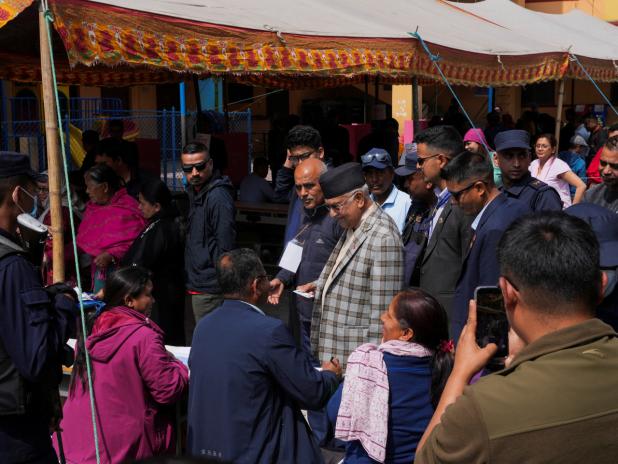
Nepal election background
Nepal held its first nationwide general election on 5 March 2026 — the country’s first vote since a youth‑led uprising toppled the government in September 2025 — in a contest framed by demands to end corruption, create jobs and improve governance. Observers and sources emphasise the protests’ severity: the uprising left dozens dead and forced the interim administration that organised the ballot. Nearly 19 million people were registered to vote, including a sizable cohort of new and first‑time voters added since the protests, making this a high‑stakes test of whether street protest momentum can translate into electoral change.
“Nepal held its first general election since violent, youth-led protests toppled the government in September, with corruption, economic stagnation and inequality the central issues that sparked the uprising in which 77 people died.”
Election logistics summary
The election was logistically complex. Polling stations opened 07:00 and closed 17:00 across more than 23,000 sites. The ballot is for a 275-seat House of Representatives using a mixed system: 165 first-past-the-post seats and 110 by proportional representation.
Ballot boxes from remote mountain stations were flown to counting centers by helicopter. Authorities declared a multi-day public holiday. They deployed thousands of security personnel and implemented transport restrictions and other measures to facilitate turnout.
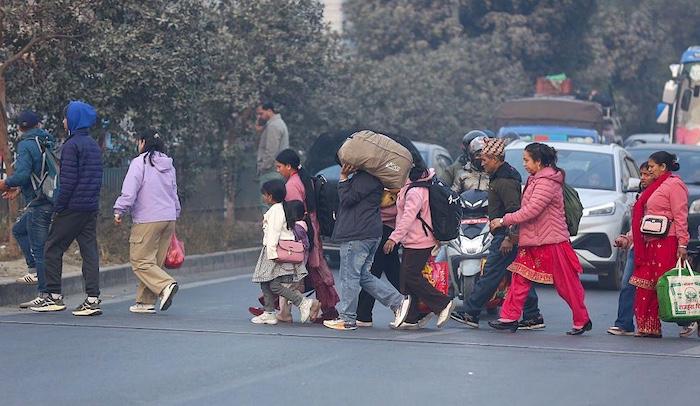
Gen Z protests and election
The election is inseparable from last September’s Gen Z‑led protests that began with a brief social‑media ban and escalated into nationwide anti‑corruption demonstrations. Sources repeatedly report the protests left 77 dead, spurred roughly one million mainly young voters to register, and prompted an interim government headed by retired chief justice Sushila Karki to oversee the transition. Karki urged citizens to 'vote without any fear' as security forces were deployed to polling stations.
Nepal election outlook
A crowded and fragmented field reflected both new and established forces.
Longtime parties such as the Nepali Congress and CPN-UML faced energetic challengers, notably Balendra (Balen) Shah, a rapper-turned-mayor whose Rastriya Swatantra Party and independent profile have attracted younger voters.
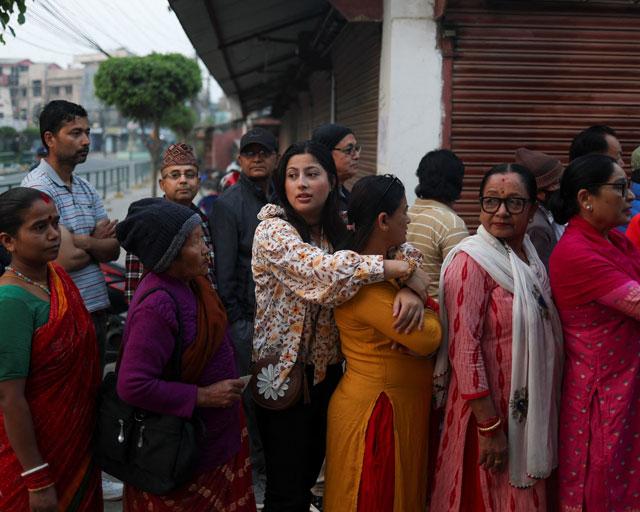
Veteran leaders including K.P. Sharma Oli and Gagan Thapa remained central figures.
Multiple sources expect no outright majority and foresee coalition bargaining after the vote.
The mixed electoral system and dozens of contesting parties make outcomes unpredictable.
Turnout and mobilisation
Officials and media reported roughly 60% turnout, long queues and large movements of voters, with about 800,000 people leaving Kathmandu Valley to vote in their registered hometowns. Many first-time and young voters were seen as the election’s decisive force.
“Nepal held peaceful nationwide elections Thursday — its first since a youth-led uprising ousted the government in September — with roughly 60% turnout, Acting Chief Election Commissioner Ram Prasad Bhandari said.”
Analysts caution that high youth turnout does not guarantee seat gains without organisation and clear leadership. Some outlets warn of disappointment and possible unrest if street-level expectations are not met once counting begins and early results emerge.
