Protests12 February, 20263 min read
Sheikh Hasina Calls For Cancellation Of Bangladesh Polls
Sheikh Hasina publicly demanded authorities cancel the election, denouncing it as illegitimate. Nation held its first parliamentary election since the 2024 student-led uprising that ousted Hasina.

16 outlets told this the same way.
Outlets did split on France Suspends Police Stun Grenades at High School Protests After 15-Year-Old Loses Hand →
Bangladesh election reactions
Bangladesh’s parliamentary election took place nearly 18 months after a student-led uprising that toppled Sheikh Hasina. Hasina publicly called for the vote’s cancellation, alleging irregularities while also thanking those who voted. Firstpost described the vote as "historic," noted the Awami League was barred from contesting, and reported turnout below 50%, which raised credibility concerns and deepened political tensions.
“Bangladesh held its 13th parliamentary election today, nearly 18 months after a student-led uprising toppled former PM Sheikh Hasina’s Awami League and brought an interim government led by Chief Adviser Muhammad Yunus to power.”
Al Jazeera framed the contest as "pivotal" and highlighted the role of the Election Commission, which said the voting showed Bangladesh had "boarded the train of democracy." TRT World opened coverage by noting these were Bangladesh’s first polls since the 2024 student-led uprising that toppled longtime Prime Minister Sheikh Hasina and barred her Awami League from running.

Voter turnout and security
Turnout and security were prominent and differently framed themes in coverage. Al Jazeera reported the Election Commission's mid-day figure of nearly 48% turnout based on returns from all 36,031 polling centres and quoted the commissioner saying Bangladesh had 'boarded the train of democracy'. Firstpost described turnout as reported below 50%, prompting credibility concerns and linked low participation to political tension.
TRT World highlighted the security deployment of more than 300,000 personnel and noted that voters focused on reform, corruption and unemployment as drivers of participation. The three details—precise EC figures, credibility worries, and large security deployments—appear across sources but are emphasized differently.
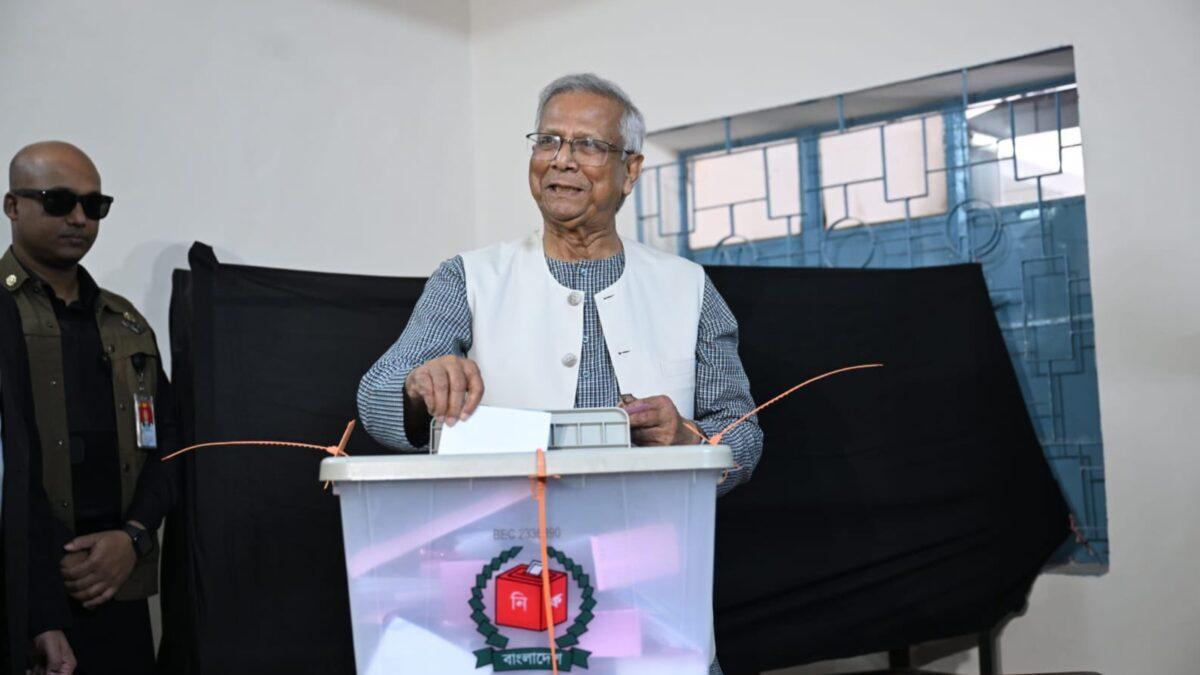
Bangladesh election contenders
Sources consistently identify the principal contestants and political dynamics as the Bangladesh Nationalist Party (BNP) and a Jamaat-e-Islami-led coalition, with Tarique Rahman a central figure. Firstpost states the main contenders were the Bangladesh Nationalist Party (BNP) and the Jamaat-e-Islami. Al Jazeera notes the contest was between the Bangladesh Nationalist Party (BNP) and a Jamaat-e-Islami-led coalition and names BNP’s Tarique Rahman and Jamaat chief Shafiqur Rahman.
“With the ruling party absent, the main contenders were the Bangladesh Nationalist Party (BNP) and the Islamist Jamaat‑e‑Islami.”
TRT World highlights Tarique Rahman as a leading contender to form the next government and provides background on his return from self-exile. All three sources therefore converge on the principal actors while adding different contextual details.
Media reactions to election
Responses and immediate implications were contested in tone. Firstpost links the low turnout to 'credibility concerns and deepening political tensions' and records Hasina's demand that the election be cancelled over alleged irregularities. By contrast, Al Jazeera quotes the election chief describing turnout as a sign the country had 'boarded the train of democracy' and reports that many voters expressed optimism that this would be the country's first free and fair election since 2008.
TRT World focuses on voters' expectations for reform, noting that voters largely seek action on corruption, unemployment and other problems associated with the Awami League era, and it also highlights the scale of security measures. These different emphases shape divergent immediate narratives about legitimacy, popular hope, and the potential for post-vote conflict.
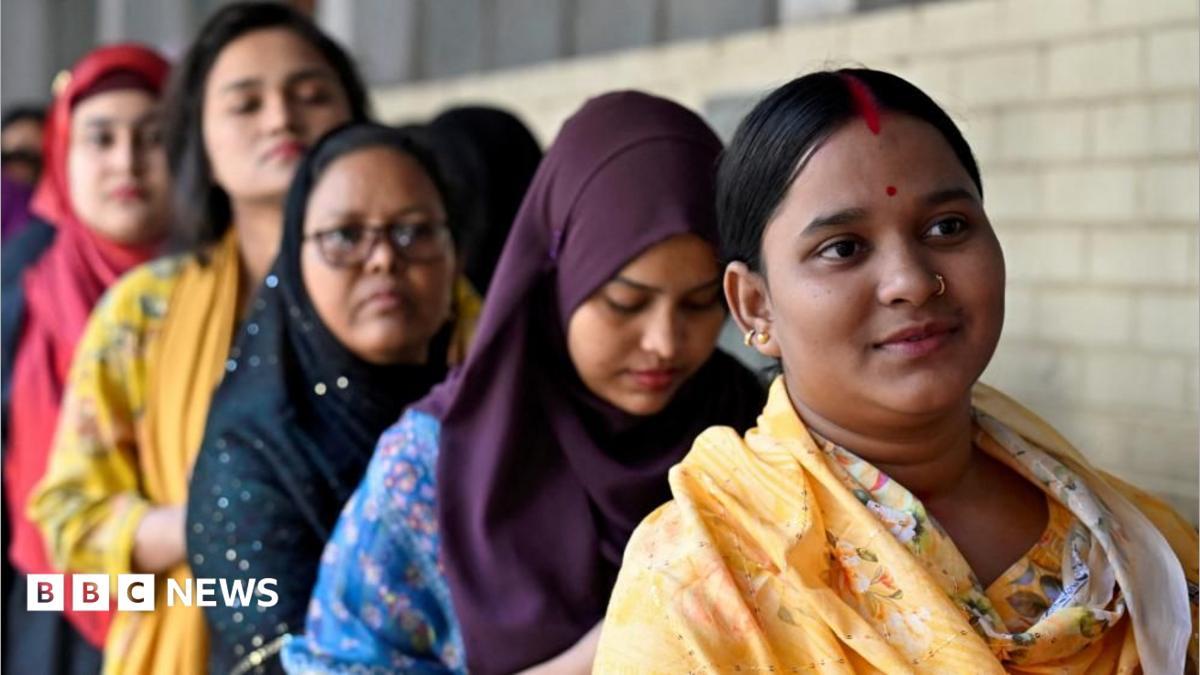
Post-election media framing
Taken together, these accounts indicate a contested post‑electoral picture. Official figures and institutional statements (Al Jazeera) argue the vote showed democratic momentum. Opposition and political rivals (as reported by Firstpost) view low participation as undermining legitimacy and have called for cancellation.
“With the ruling party absent, the main contenders were the Bangladesh Nationalist Party (BNP) and the Islamist Jamaat‑e‑Islami.”
Regional outlets (TRT World) foreground voter demands and security. Differences in emphasis across source types—Asian (Firstpost), West Asian (Al Jazeera, TRT World)—produce divergent immediate narratives about legitimacy, stability and popular expectations.
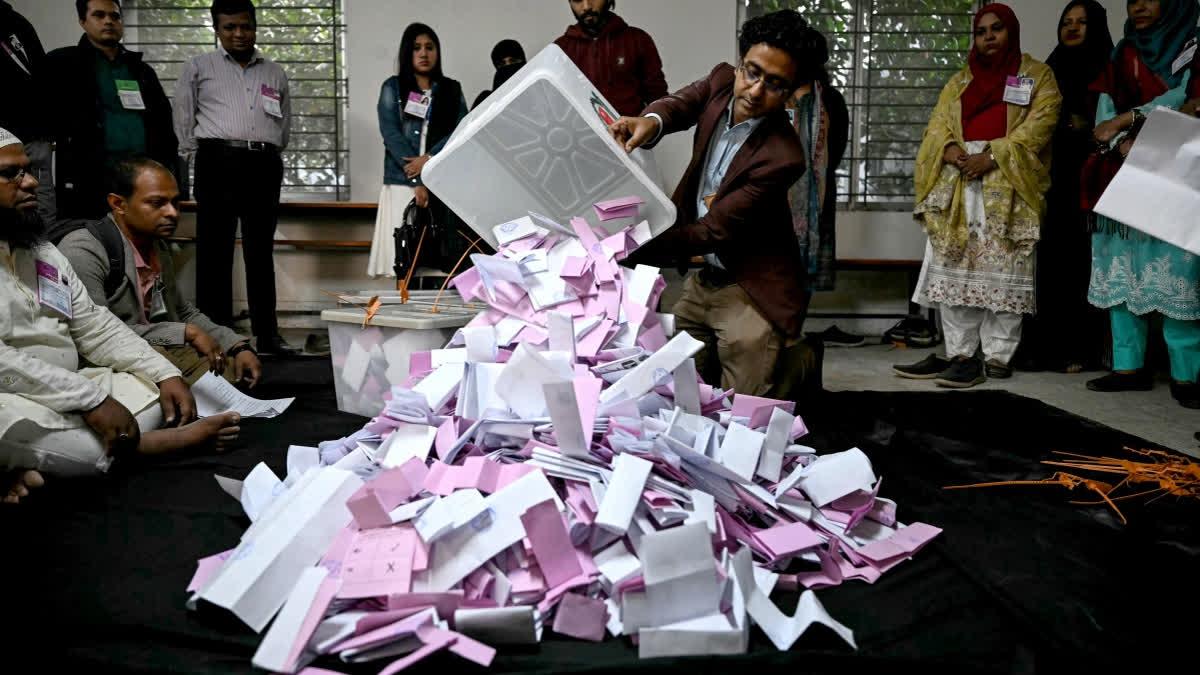
The same factual touchpoints (uprising, barred party, turnout, security, main contenders) are being interpreted differently in each outlet. At present, the sources do not contradict the core facts but they do present contrasting framings, and the situation therefore remains politically fraught and ambiguous based on these excerpts.