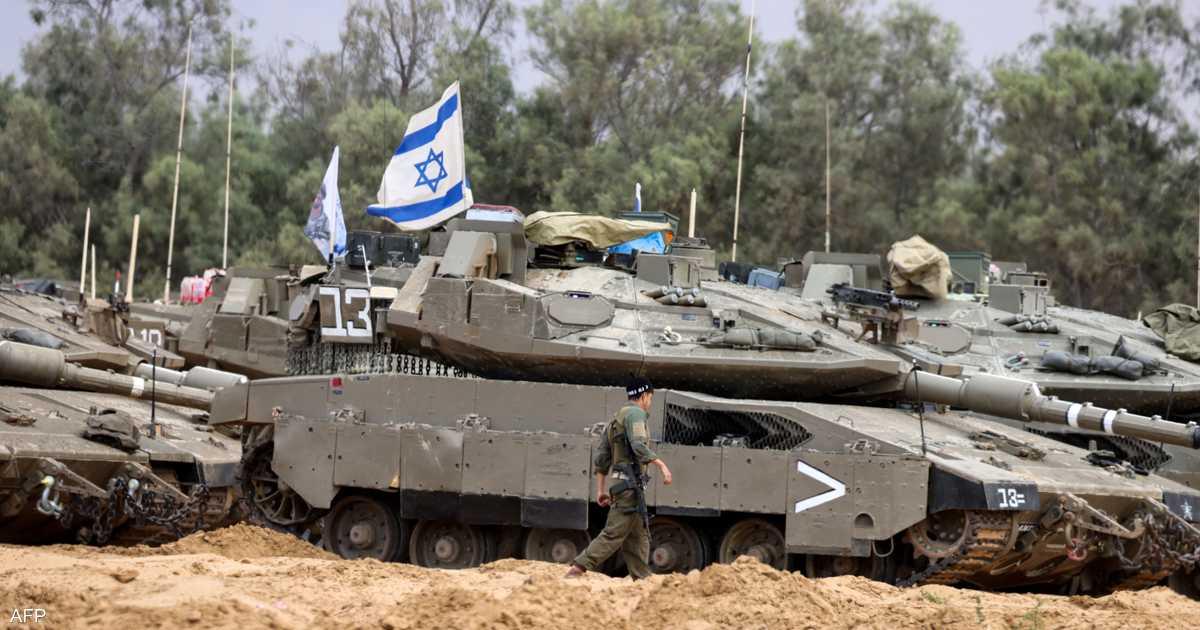
Netanyahu Approves Gaza Expansion, Seeking Indefinite Military Control and Hostage Release
Key Takeaways
- Netanyahu approved widening military operation to occupy Gaza and expel its residents.
- Israel plans to seize parts of Gaza and maintain indefinite military control over large areas.
- Cabinet approved expanding the operation, with potential to take control of the entire Gaza Strip.
Strategy Shift
Israeli Prime Minister Benjamin Netanyahu described “intensified” operations in Gaza that include “a massive relocation of the Palestinian population” and indefinite Israeli military “control” of large swaths of the enclave, setting what The Washington Post frames as “a new direction in strategy” and raising “the question of whether Israel is inching toward the long-term reoccupation of the enclave.”
“The government of Benjamin Netanyahu appears determined to achieve its ultimate goal of occupying the Gaza Strip and expelling its residents, but it is trying to reach that goal in stages so as not to be drawn into a larger war of attrition, according to experts”
In parallel, Al-Jazeera Net reports that Netanyahu “approved a decision to widen the military operation in the Gaza Strip after several sessions of the Security Cabinet,” and that the expansion is being pursued “in stages” so Israel is “not to be drawn into a larger war of attrition.”

סקاي نيوز عربية says an Israeli official told media that “the cabinet unanimously approved expanding the military operation in the Gaza Strip,” “in accordance with the chief of staff's proposals and in line with the prime minister's vision.”
The same סקاي نيوز عربية account adds that Reuters quoted the official as saying the expanded attack “could reach the point of taking control of the entire territory.”
Al-Jazeera Net describes the leaked name of the new operation as “Small Gaza,” saying it would involve establishing “small civilian settlements between the Salah al-Din (Philadelphia) and Morag axes.”
Across the accounts, the operational logic is tied to hostages and Hamas: Al-Jazeera Net says the expansion will continue “unless Hamas releases the prisoners,” while סקاي نيوز عربية says Netanyahu affirmed the plan will achieve “recovering the hostages and defeating Hamas.”
How the Expansion Works
Al-Jazeera Net depicts the widening of the Gaza operation as a staged process designed to avoid a broader “war of attrition,” describing “wranglings and clashes that at times bordered on a fight between politicians and military officials” after Security Cabinet sessions.
It reports that, according to the Israeli newspaper Yedioth Ahronoth, the operation will be expanded “by an additional degree and with greater force,” but “it will not be wide in scope,” and that “this expansion will continue unless Hamas releases the prisoners.”
The article attributes the operational concept to military expert Major General Fayez al-Duwairi, who says the plan “rests on gradual nibbling and removing residents from certain areas until they are swept for prisoners or fighters of the resistance.”
Al-Duwairi also explains the leaked name “Small Gaza,” saying it means “the Israeli army will establish small civilian settlements between the Salah al-Din (Philadelphia) and Morag axes, to crowd the civilians there.”
The same Al-Jazeera Net account says the Security Cabinet would decide on “the broad mobilization of reserve forces,” and that “reservists who will be called up will participate in the assault inside the Gaza Strip.”
It adds that “about half of the reserve soldiers did not comply with returning to combat because the war is taking more of their lives as it widens,” and that al-Duwairi predicted those who do respond would be “pushed to the borders with Syria and Lebanon” to shift regular forces toward Gaza.
Voices and Internal Friction
The sources portray both internal Israeli friction and external resistance as central to how the expanded campaign may unfold.
“An Israeli official told media that the cabinet unanimously approved expanding the military operation in the Gaza Strip, in accordance with the chief of staff's proposals and in line with the prime minister's vision”
Al-Jazeera Net says Netanyahu’s widening decision followed “several sessions of the Security Cabinet,” and that there were “wranglings and clashes that at times bordered on a fight between politicians and military officials.”
It then turns to military expert Major General Fayez al-Duwairi, who argues that the resistance has already shifted tactics, saying “the resistance has already begun a new approach after resuming fighting based on guerrilla warfare,” and that this occurred in “al-Shujaiyya, Beit Lahia, and Rafah in recent days.”
Al-Duwairi’s account emphasizes selective attacks, describing operations that “relied on selectivity and inflicted heavy losses on the occupation forces without reporting losses among the attackers,” and it says the Israeli army fears “getting more involved in” that kind of engagement.
Al-Jazeera Net also includes a political analyst, Iyad al-Qarra, who says the anticipated operation “will not differ much from the previous operations that the occupation carried out in Gaza,” because “the civilians faced displacement each time.”
The same analyst warns that expansion “will not reduce its losses,” because it is “exposed to strikes in the safe areas that are free of civilians,” meaning it could be “more exposed to resistance attacks if it penetrates residential areas.”
Displacement, Aid, and External Alignment
The sources connect the operational expansion to displacement and to the handling of humanitarian aid, while also tying the plan to a U.S. vision.
سكاي نيوز عربية says the approved plan includes “occupying the Gaza Strip and relocating residents to the south,” and it adds that the official said Israel is “working to advance the vision of U.S. President Donald Trump of displacing Palestinians from the Gaza Strip.”
The same report says there are “talks underway with several countries to receive Gazans,” and it notes “consideration of distributing humanitarian aid if needed, with guarantees that Hamas does not control it, noting that so far there is enough aid inside Gaza.”
Al-Jazeera Net, by contrast, frames the displacement logic through the “Small Gaza” concept, describing “gradual nibbling and removing residents from certain areas” until they are “swept for prisoners or fighters of the resistance,” and it says the plan aims to compel Hamas to hand over prisoners before permanent occupation.
It attributes that view to Dr. Muhannad Mustafa, saying the “anticipated operation aims to compel Hamas to hand over the prisoners and then occupy the sector permanently,” and it adds that “this is the meaning of the victory Netanyahu and his government speak of.”
The Washington Post’s description of “a massive relocation of the Palestinian population” and indefinite “control” of large swaths of the enclave provides a parallel description of the direction of travel, while its framing of public reaction includes that “The comments overwhelmingly criticize Israel's military strategy in Gaza,” describing it as “a form of ethnic cleansing or genocide.”
What Comes Next
Looking ahead, the sources describe a campaign that may broaden further while also facing mounting constraints from reserve compliance and the risk of deeper entanglement.
“Democracy Dies in Darkness By Gerry Shih , Karen DeYoung , Lior Soroka and Claire Parker JERUSALEM — Prime Minister Benjamin Netanyahu on Monday described “intensified” operations in Gaza, including a massive relocation of the Palestinian population and indefinite Israeli military “control” of large swaths of the enclave, setting a new direction in strategy and raising the question of whether Israel is inching toward the long-term reoccupation of the enclave”
Al-Jazeera Net says the Security Cabinet would decide on “the broad mobilization of reserve forces,” and it reports that “about half of the reserve soldiers did not comply with returning to combat because the war is taking more of their lives as it widens.”
It then predicts that “those who would respond to the call-up requests would be pushed to the borders with Syria and Lebanon,” explicitly linking the redeployment to pushing regular forces toward Gaza.
The article also says the expansion is expected to continue “unless Hamas releases the prisoners,” making the hostage question a stated trigger for whether the operation widens or stops.
In its discussion of occupation, Al-Jazeera Net quotes Dr. Muhannad Mustafa saying occupying Gaza “will be far harder than occupying Lebanon and the West Bank,” and it adds that it “will inflict heavy losses on Israel and will make it an occupying state under its internal law.”
Meanwhile, סקاي نيوز عربية says the cabinet approved a plan that could “reach the point of taking control of the entire territory,” and it says Netanyahu affirmed that the plan will achieve “recovering the hostages and defeating Hamas.”
More on Gaza Genocide

Israel And Lebanon Begin Direct Talks As Hezbollah Calls Negotiations A Grave Error
13 sources compared

Israeli Prisoners Brutally Assault Palestinian Leader Marwan Barghouti Multiple Times
27 sources compared

US Navy Enforces Naval Blockade on Iranian Ports Amid Escalating Iran War
13 sources compared

Israeli Airstrikes Kill Dozens in Gaza Despite Ceasefire Agreement
18 sources compared