
Netanyahu Returns From Washington After Talks With Donald Trump on Gaza Ceasefire and Hostage Release
Key Takeaways
- Netanyahu returned to Israel following the Washington talks.
- Differences over Iran policy surfaced during the talks, with tensions reported.
- Analysts questioned claims of a US-Israel rift over Netanyahu's actions.
Gaza war and hostage deal
Benjamin Netanyahu returned to Israel on Thursday on the scheduled return flight from Washington, without extending his visit through the end of the week, while he discussed with U.S. President Donald Trump a ceasefire agreement that would guarantee the release of half of the hostages who are still inside the coastal enclave.
“In January 2024, the publication Axios reported that the United States president at the time, Joe Biden, was “running out of patience” with Israeli Prime Minister Benjamin Netanyahu”
Netanyahu stressed that the arrangement was "in no sense a capitulation but an obstacle on the path to 'total victory,'" and in a video statement he reaffirmed that "the war in Gaza will not end until Hamas is forced to accept Israel's terms" even if a ceasefire is concluded.

The Times of Israël said Netanyahu had allowed, beginning in 2018, suitcases containing millions of dollars in cash from Qatar to enter at Israeli border crossings to maintain a fragile ceasefire with Hamas' leaders.
The article also said Netanyahu told Trump that Israel’s concessions included accepting a Qatar proposal opening the door to the release of living hostages and the return of the bodies of captives killed under a 60-day ceasefire, while Israel agreed to new lines of military withdrawal after Hamas rejected initial maps.
It added that despite expectations of a breakthrough tied to Netanyahu’s trip to the United States, optimism faded as Israeli sources, Hamas, and mediator countries informed journalists of a stalemate in talks on the same questions that had derailed previous rounds of talks.
Trump-Netanyahu tensions
As pressure on Netanyahu grew from all sides, Le Monde.fr described how Donald Trump and Benjamin Netanyahu displayed closeness in front of reporters as they left their lunch on Monday, December 29, with Trump saying there were 'very few differences' between them.
Netanyahu replied, "We have never had a friend like President Trump in the White House," while Le Monde.fr said the agenda at Mar-a-Lago included Marco Rubio, Pete Hegseth, Susie Wiles, Jared Kushner, and Steve Witkoff.

In parallel, Al Jazeera reported that Axios said Trump called Netanyahu "f***ing crazy" and berated him over Israel’s escalation in Lebanon, even as Al Jazeera said U.S. support for its Middle East ally had "never wavered."
Al Jazeera also quoted Ryan Costello of the National Iranian American Council Action (NIAC) saying, "What’s really important is what actually happens in practice," and quoted Isabelle Hayslip of DAWN saying, "Trump has no final say over Israeli actions."
Al Jazeera framed the dispute as part of a wider pattern of anonymous accounts of rifts and "frustrating" calls, while noting that the conflict launched jointly with Netanyahu on February 28 had included Iran closing the Strait of Hormuz and gasoline prices soaring in the US.
Regional spillover and next steps
Ouest-France said the United States could strike Kharg Island again in the Persian Gulf, citing a statement by Donald Trump, and reported that explosions were heard in the capital of Bahrain as Iran continued its strikes against Gulf neighbors.
“Is the friendship between the world's two most powerful leaders over”
Ouest-France added that since the start of the war on February 28, Bahrain said it had intercepted 125 missiles and 203 Iranian drones and reported a death toll of two, while it said attacks in other Gulf states had caused 24 deaths.
France 24 reported that new Israeli airstrikes on southern Lebanon killed at least 17 people on Thursday, despite the ceasefire in force since April 17, and said the Health Ministry reported 17 deaths including at least five women and two children.
France 24 also said the U.S. Embassy in Beirut urged a meeting between Lebanese President Joseph Aoun and Israeli Prime Minister Benjamin Netanyahu, quoting the embassy on X that "Lebanon is at a turning point" and calling for a direct meeting facilitated by President Trump.
Against that backdrop, Al Jazeera said critics warned that Israel’s escalation in Lebanon and its threat to bomb Beirut risk derailing the fragile truce that came into effect in April, while it reported that Iranian officials suggested they cut off contact with the US over the Israeli attacks in Lebanon.
More on Gaza Genocide
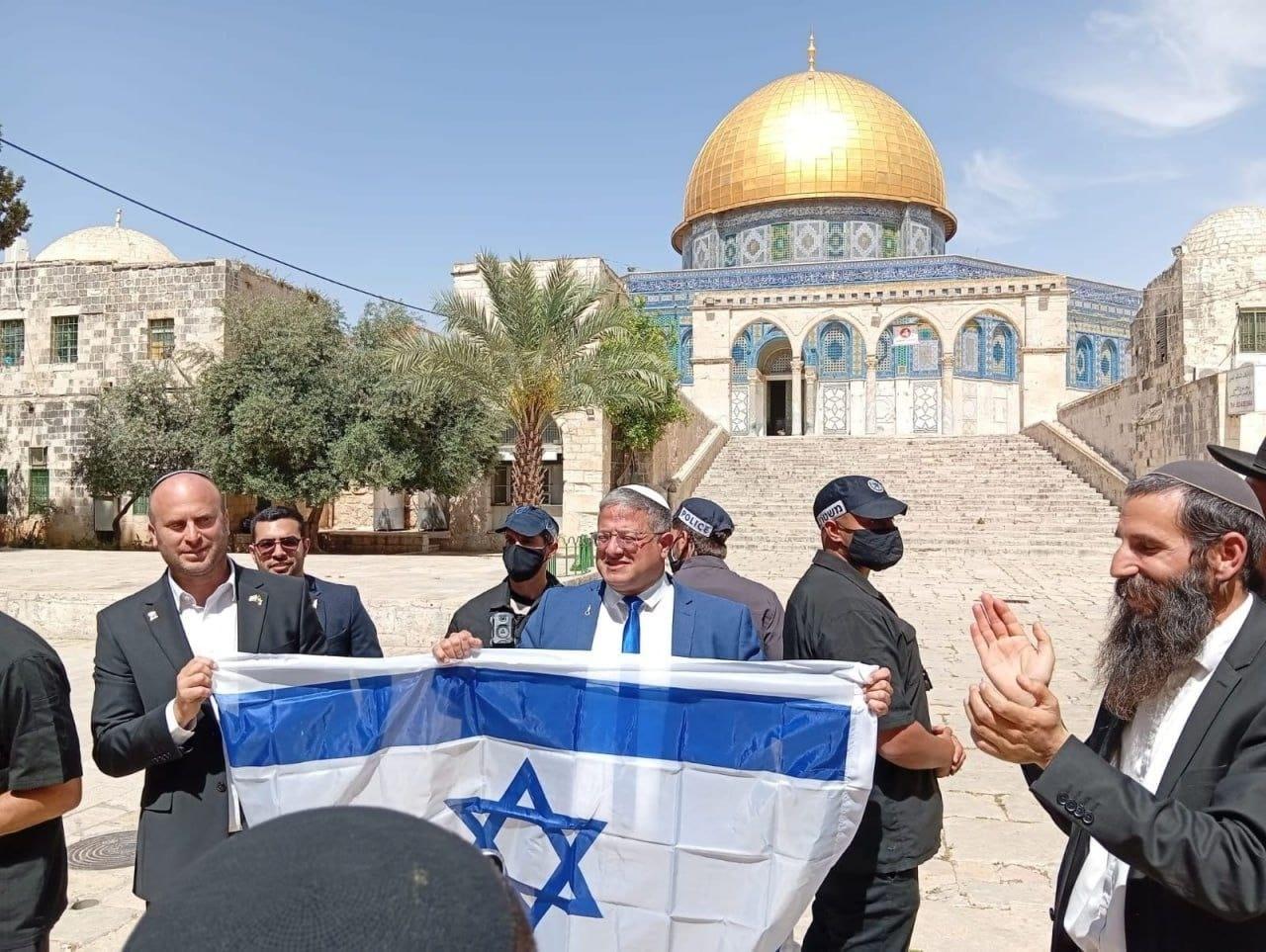
Israeli Settlers Enter Al-Aqsa Under Police Protection, Egypt Warns of Escalation Risk
13 sources compared
Pakistan and Seven Muslim Countries Condemn Israeli Settlers’ Al Aqsa Mosque Incursions
13 sources compared

Zohran Mamdani Skips New York’s Israel Day Parade After Bezalel Smotrich Participation
17 sources compared

Israeli Forces Killed About 73,000 Palestinians in Gaza, UN Human Rights Office Says
13 sources compared