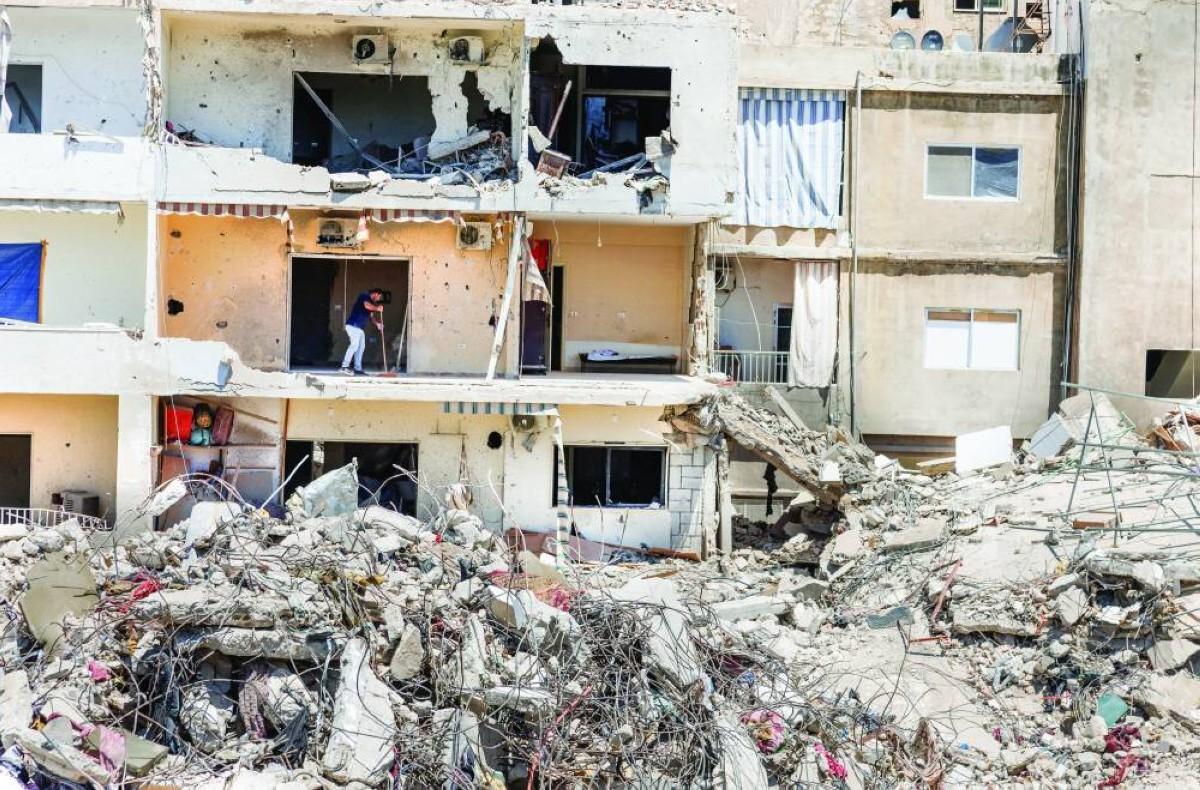
Netanyahu Says Hezbollah Tries To Sabotage Historic Peace With Lebanon As IDF Strikes
Key Takeaways
- Netanyahu accuses Hezbollah of sabotaging historic Israel-Lebanon peace efforts.
- IDF strikes Hezbollah in south Lebanon amid ongoing peace talks.
- Ceasefire extended for three weeks after Trump announces extension.
Ceasefire, then strikes
Israel and Lebanon moved toward a “historic peace” while Israeli forces continued striking Hezbollah targets, according to multiple reports.
“Home News Business Energy Opinion Lifestyle Sports Video Podcast Home News Business Energy Opinion Lifestyle Sports Video Podcast Close the sidebar Home News Middle East Israeli Prime Minister Benjamin Netanyahu”
Israeli Prime Minister Benjamin Netanyahu said on Friday that “We have begun a process to achieve a historic peace between Israel and Lebanon,” while also insisting that “it is clear to us that Hezbollah is trying to sabotage it.”
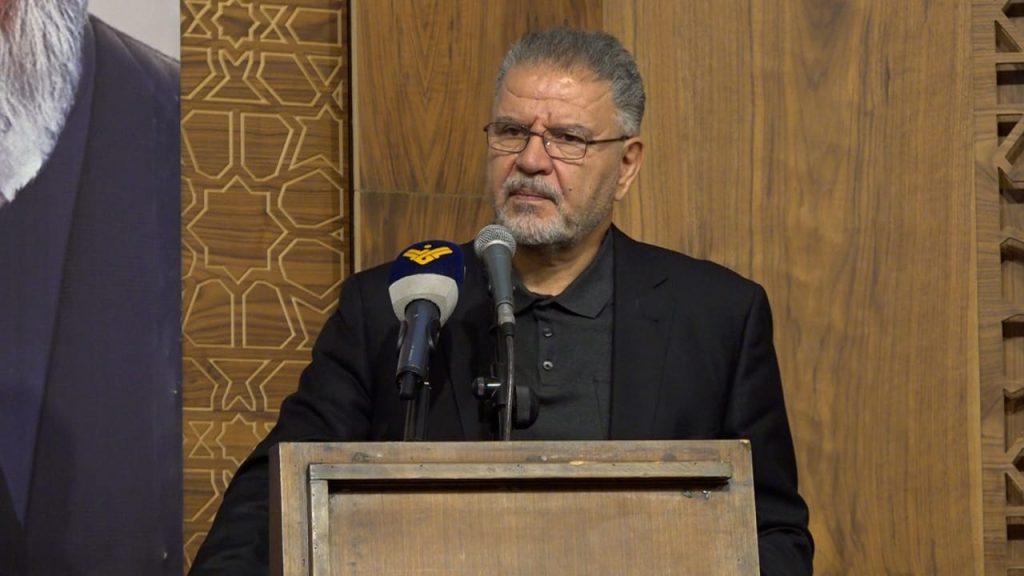
In a separate account, Al Arabiya English reported Netanyahu’s remarks after a ceasefire with Lebanon was extended, saying, “We have started a process to reach a historic peace between Israel and Lebanon, and it’s clear to us that Hezbollah is trying to sabotage this.”
The Israeli military said it struck Hezbollah targets in response to a “ceasefire violation,” and it tied the action to rockets launched toward Israel.
Al Arabiya English quoted the IDF saying, “A short while ago, the IDF struck military structures in the area of Deir Aames, from which rockets were launched toward the town of Shtula in Israel yesterday,” and it added that the targeted structures “were used by the Hezbollah terrorist organization to advance terrorist activities against IDF soldiers and the State of Israel.”
The same report said the IDF warned residents of Deir Aames to “evacuate your homes immediately and move at least 1,000 metres outside the area.”
In Haaretz, the framing was similar: Netanyahu said Israel “maintains full freedom of action against any threat” in southern Lebanon as the Israeli military continued to strike Hezbollah targets throughout Friday.
Netanyahu’s case against Hezbollah
Across the reports, Netanyahu’s argument centered on Hezbollah as the obstacle to peace and on Israel’s continued operational posture despite ceasefire arrangements.
i24NEWS | Israeli quoted Netanyahu saying, “We maintain full freedom of action against any threat, including emerging threats,” and it added, “We attacked yesterday and we attacked today.”

The same report said Netanyahu told viewers, “We are determined to restore security to the residents of the north,” linking the strikes to a stated goal of security.
Al Arabiya English similarly described Netanyahu’s claim that Hezbollah was trying to sabotage peace efforts with Lebanon, and it placed the remarks in the context of the ceasefire being extended.
NDTV’s syndicated text repeated the same core language, stating, “We have started a process to reach a historic peace between Israel and Lebanon, and it’s clear to us that Hezbollah is trying to sabotage this,” and it described the military action as coming after a “ceasefire violation.”
Chosunbiz added additional detail about the timing and setting, saying Netanyahu released a video message just before the Sabbath and referencing “ambassador-level peace talks with Lebanon held at the White House a day earlier under U.S. mediation.”
In that account, Netanyahu said, “Israel and Lebanon have begun a process to achieve historic peace,” but “it is clear that Hezbollah is trying to sabotage it,” and it also framed strikes as a response to provocations.
Trump, Rubio, and the extension
The reports also tied the Israel-Lebanon ceasefire extension to a high-level U.S. meeting and to named U.S. officials.
“Subscribe to our newsletter to receive the most important and top news of the day”
Al-Bayan reported that U.S. President Donald Trump announced extending the ceasefire between Lebanon and Israel for three weeks, and it said the announcement followed “a high-level meeting held at the White House.”
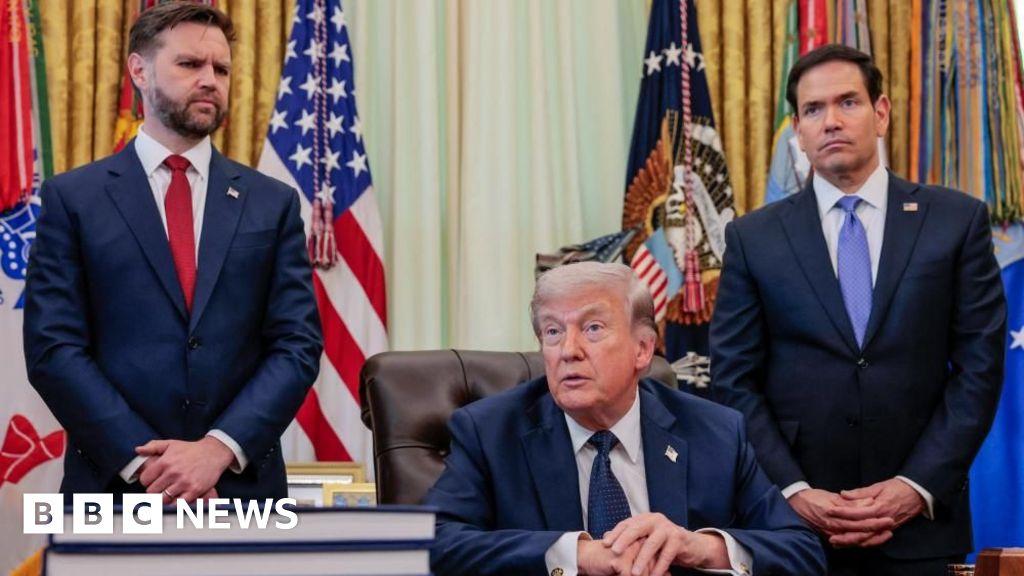
It stated that Trump said, in a post on Truth Social, that he met “yesterday with senior representatives from Israel and Lebanon in the Oval Office,” and it listed participants as “his deputy J. D. Vance, Secretary of State Marco Rubio, the U.S. ambassador to Israel Mike Hakabi, and the U.S. ambassador to Lebanon Michel Issa.”
Al-Bayan quoted Trump’s statement that the meeting “went very well indeed, and the ceasefire between Israel and Lebanon will be extended for three weeks.”
The same Al-Bayan report described the ceasefire as “extremely fragile,” and it said that “yesterday two people were killed in an Israeli airstrike,” while Hezbollah announced it “reserves the right to respond.”
It also said Hezbollah called on authorities to “withdraw from direct negotiations with Israel,” placing the ceasefire extension alongside continued political friction.
In i24NEWS | Israeli and Al Arabiya English, Netanyahu’s remarks also linked the U.S. pressure campaign to Iran, with Netanyahu saying Trump is “putting very strong pressure on Iran, both economically and militarily.”
Hezbollah’s alleged sabotage and rhetoric
While Israeli leaders blamed Hezbollah for undermining peace, one long-form analysis in The National Interest described a set of potential ways Hezbollah could “sabotage” the Israel-Lebanon talks.
The National Interest framed the “imminent direct peace talks between Israel and Lebanon in Washington” as “unprecedented—and disastrous for Hezbollah,” and it asserted that Hezbollah would “do its utmost to make them fail.”
The piece said that after the announcement of joint Israel-Lebanon talks, Hezbollah “sharply escalated its rhetoric,” and it cited a speech by Hezbollah Secretary-General Naim Qassem demanding “the Lebanese government cancel the meeting.”
It also quoted Qassem as vowing to keep fighters “in the field, ready for combat in case of any Israeli violations.”
The National Interest further described Hezbollah official Mahmoud Qamati as criticizing Aoun and characterizing the negotiations as “submissive,” and it described Qamati as saying the negotiations were a “failure.”
The analysis also claimed that Hezbollah could attempt to influence or manipulate the process if the ceasefire was extended, including by stirring up “sectarian violence or broader security disruptions.”
It further described a scenario in which Hezbollah could “exercise influence over the talks in order to sabotage them,” including by “buy[ing] time” and attempting to insert Hezbollah-aligned Shiite representatives into the negotiations.
What comes next
The sources converge on a near-term sequence: an extended ceasefire, continued Israeli strikes tied to alleged violations, and ongoing diplomatic pressure.
Al-Bayan said the ceasefire was extended for three weeks and called it “extremely fragile,” adding that “yesterday two people were killed in an Israeli airstrike” and that Hezbollah “reserves the right to respond.”

It also reported that Hezbollah called on authorities to “withdraw from direct negotiations with Israel,” which directly challenges the diplomatic track described by other outlets.
i24NEWS | Israeli and Al Arabiya English both described Netanyahu’s insistence that Israel would continue operations, with i24NEWS quoting him saying, “We attacked yesterday and we attacked today,” and Al Arabiya English describing the IDF strike in Deir Aames after rockets were launched toward Shtula.
Haaretz similarly described Netanyahu saying Israel “maintains full freedom of action against any threat” as strikes continued throughout Friday.
In parallel, i24NEWS | Israeli and Al Arabiya English tied the Lebanon track to Iran, with Netanyahu saying he had an “excellent conversation” with President Trump and that Trump is “putting very strong pressure on Iran, both economically and militarily.”
Crypto Briefing framed the strategic picture as Israel and the U.S. coordinating to pressure Iran while pursuing a “historic” peace process with Lebanon, stating that “Israeli Prime Minister Benjamin Netanyahu announced that Israel is coordinating with the United States to increase pressure on Iran while pursuing what he called a ‘historic’ peace process with Lebanon.”
More on Gaza Genocide
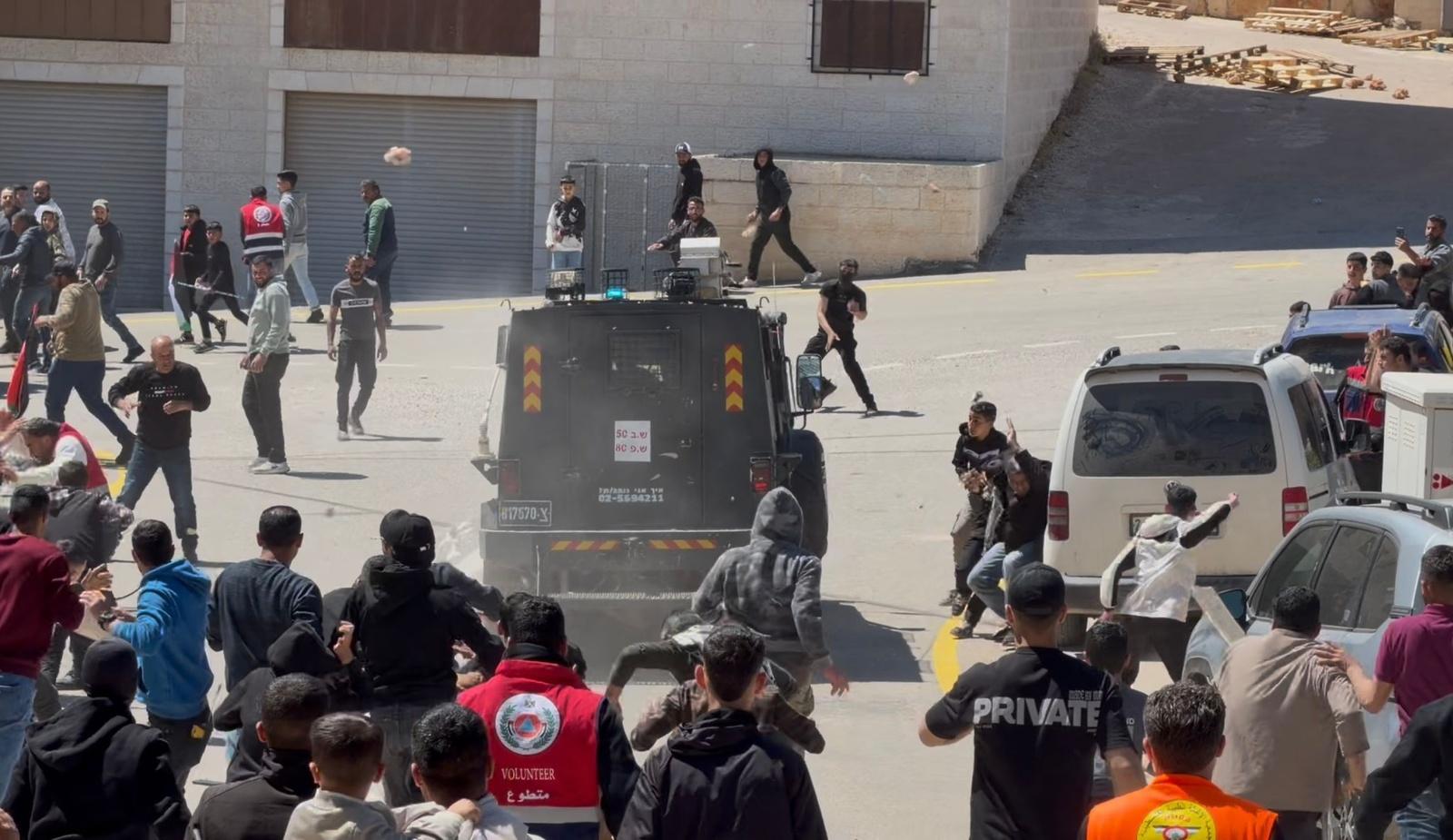
Israeli Forces Fire Tear Gas at Funeral in Al-Mughayyir, East of Ramallah
10 sources compared

Israeli Forces Kill 15-Year-Old Palestinian Teenager in Nablus West Bank Raid
13 sources compared
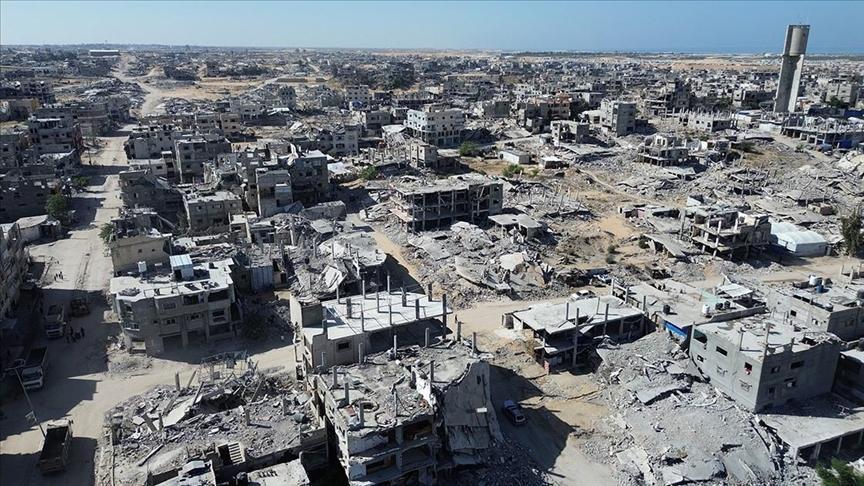
Israeli Drone Strike Kills Five Palestinians, Including Three Children, Near Beit Lahia Mosque
11 sources compared
Israeli Prosecutors Charge Sagi Haik and Asaf Shitrit With Espionage for Iran
14 sources compared