
Netanyahu Says Secret UAE Trip During Iran War Met Sheikh Mohamed bin Zayed Al Nahyan
Key Takeaways
- Netanyahu claimed secret UAE visit during Iran war, met MBZ; office called it historic breakthrough.
- UAE denied secret visit; relations with Israel are public, and no visit occurred.
- The claim sparked widespread coverage, highlighting a contested narrative between Israeli claims and UAE denial.
Netanyahu’s UAE claim
Israeli Prime Minister Benjamin Netanyahu said he made a secret trip to the United Arab Emirates during the war with Iran and met the UAE president, Sheikh Mohamed bin Zayed Al Nahyan, in Al Ain on 26 March.
The Israeli prime minister’s office said the meeting “resulted in a historic breakthrough in relations between Israel and the United Arab Emirates,” and Reuters reported the leaders met for several hours in Al Ain.

The UAE foreign ministry denied the reports, saying such claims were “baseless,” and insisted relations between the two countries were not based on “unofficial arrangements.”
The dispute unfolded as the US ambassador to Israel, Mike Huckabee, disclosed that Israel shared its air defence system with the UAE, sending Iron Dome batteries and military specialists to operate them over the course of the war.
Iran’s response and the denial
Iran’s Foreign Minister Abbas Araghchi said Netanyahu had “publicly revealed what Iran's security services long ago” told the country’s leaders, and he added that collusion with Israel was “unforgivable.”
Araghchi also said those who do so “will be held to account,” while the UAE reiterated that its relations with Israel are public and conducted within the Abraham Accords framework.

The BBC reported that Reuters quoted a source saying the meeting between Netanyahu and the Emirati president took place in Al-Ain and lasted several hours, matching the timing described in other coverage.
In parallel, the UAE’s Ministry of Foreign Affairs urged media organisations to “exercise accuracy and professionalism” and avoid spreading “unverified information or misleading political narratives,” according to The Times of India.
Military coordination and stakes
The BBC said that during the war Iran launched a series of missiles and drones on the UAE, and on 10 May the UAE’s Ministry of Defence said air defence systems engaged two drones launched from Iran and that the country engaged a total of 551 ballistic missiles, 29 cruise missiles, and 2,265 since the war broke out in late February.
The BBC also reported that the Wall Street Journal said the UAE carried out strikes on Iran, including an attack on a refinery on Iran's Lavan Island in early April, which the UAE had not yet publicly acknowledged.
In the same period, the Guardian quoted Clean Clothes Campaign spokesperson Ineke Zeldenrust, who said the audit system was “fundamentally broken” because “audits consistently miss the most dangerous conditions because they are announced in advance,” linking scrutiny to oversight mechanisms.
As the controversy over Netanyahu’s trip continued, the BBC noted that a ceasefire had been in place between the US and Iran for about a month, while Iran continued to block the Strait of Hormuz and the US enforced a blockade of Iranian ports to exert pressure on Tehran.
More on Iran
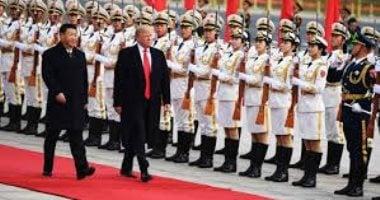
Trump Meets Xi in Beijing as Iran War Kills Eight in Israeli Strikes on Beirut
13 sources compared

Netanyahu’s Office Says He Secretly Met UAE President Sheikh Mohamed bin Zayed Al Nahyan
17 sources compared
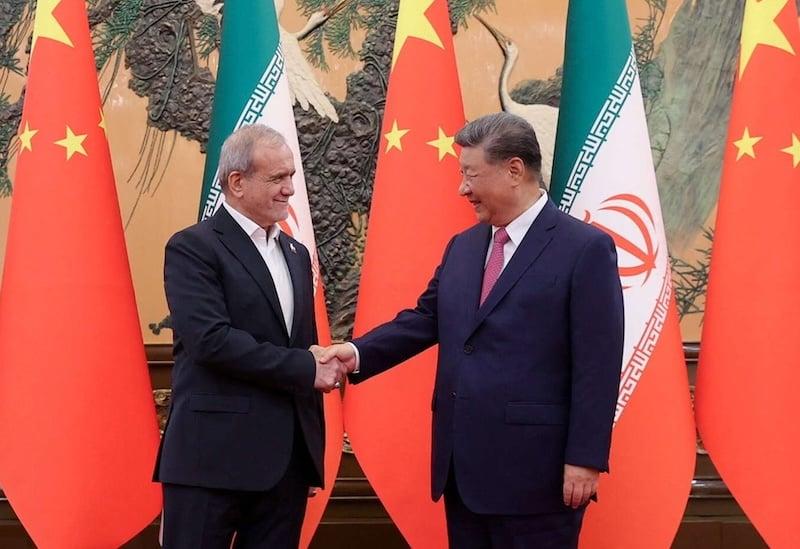
Donald Trump Arrives in Beijing for Talks With Xi as Iran War Looms
23 sources compared
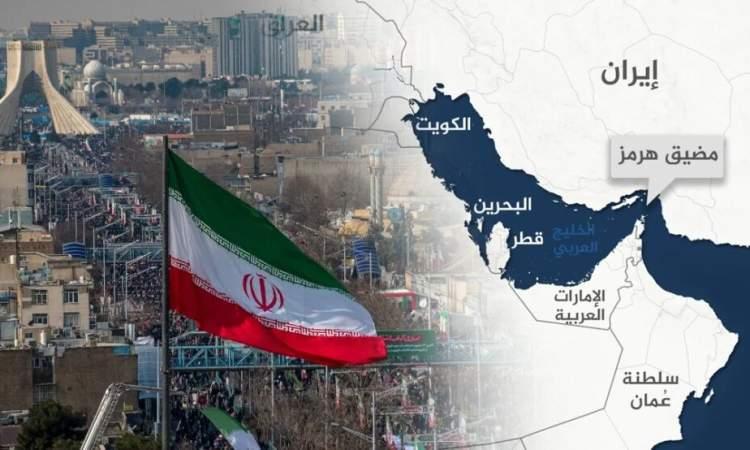
Iran And Oman Hold Legal Talks In Muscat On Strait Of Hormuz Safe Passage
11 sources compared